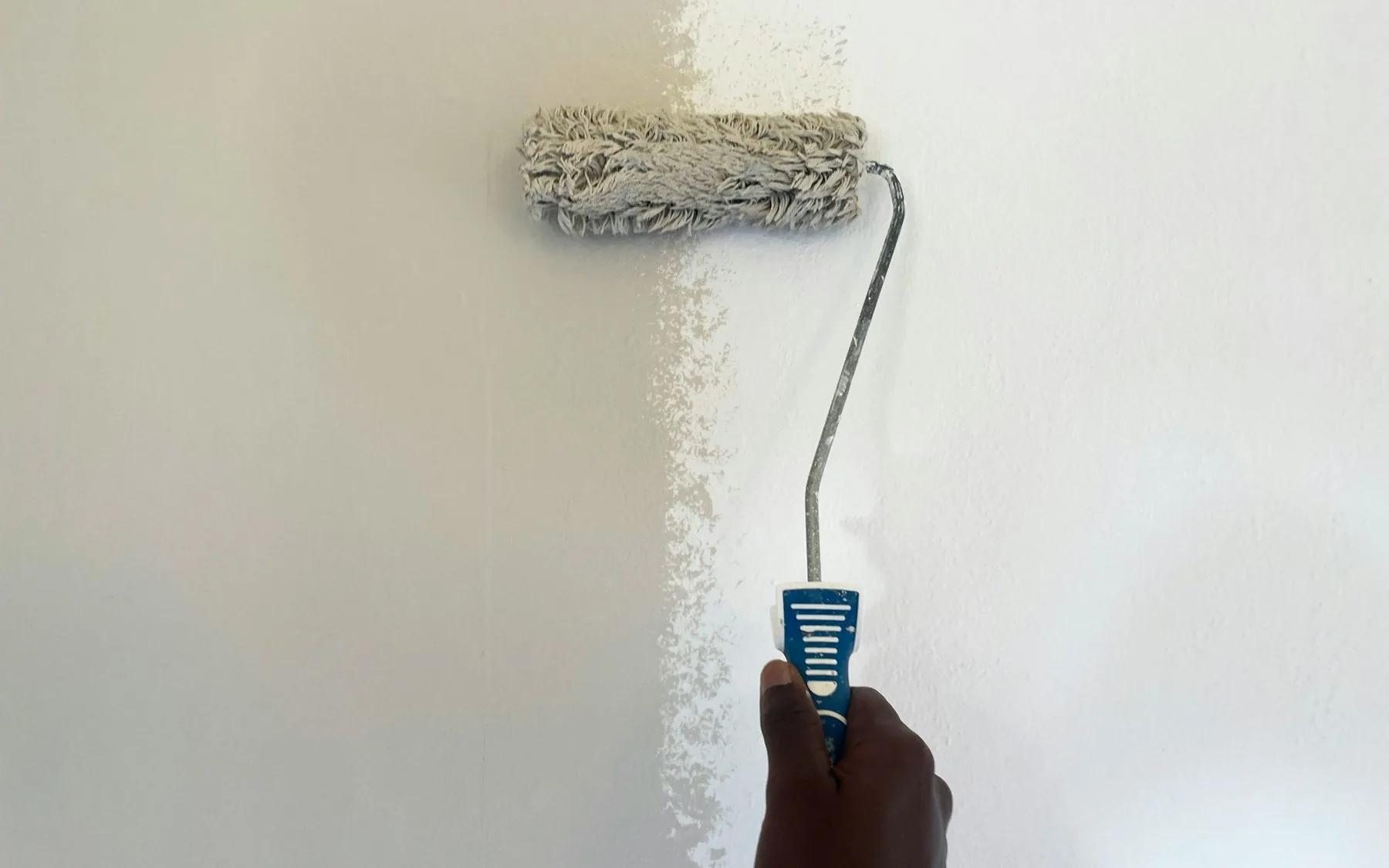
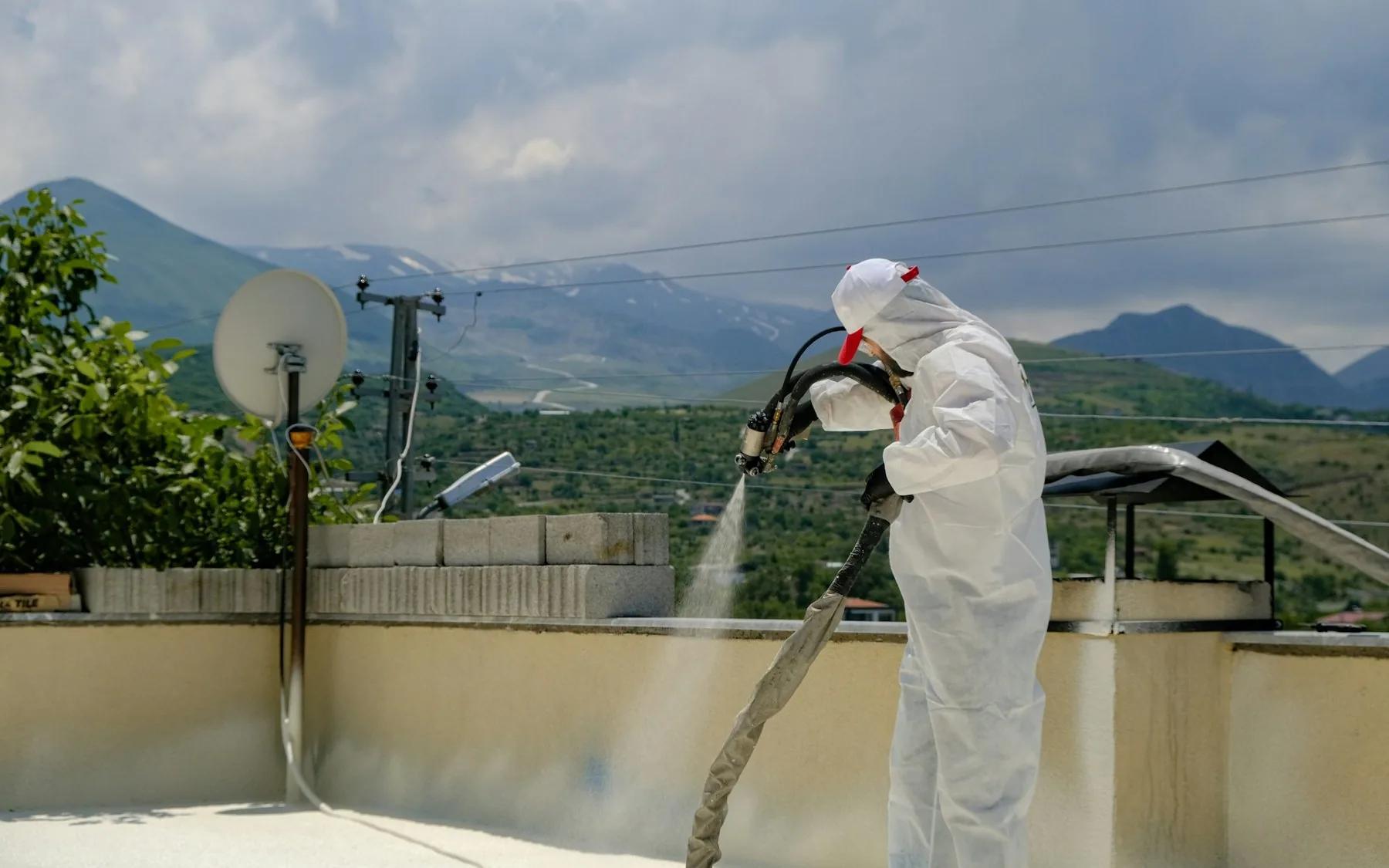
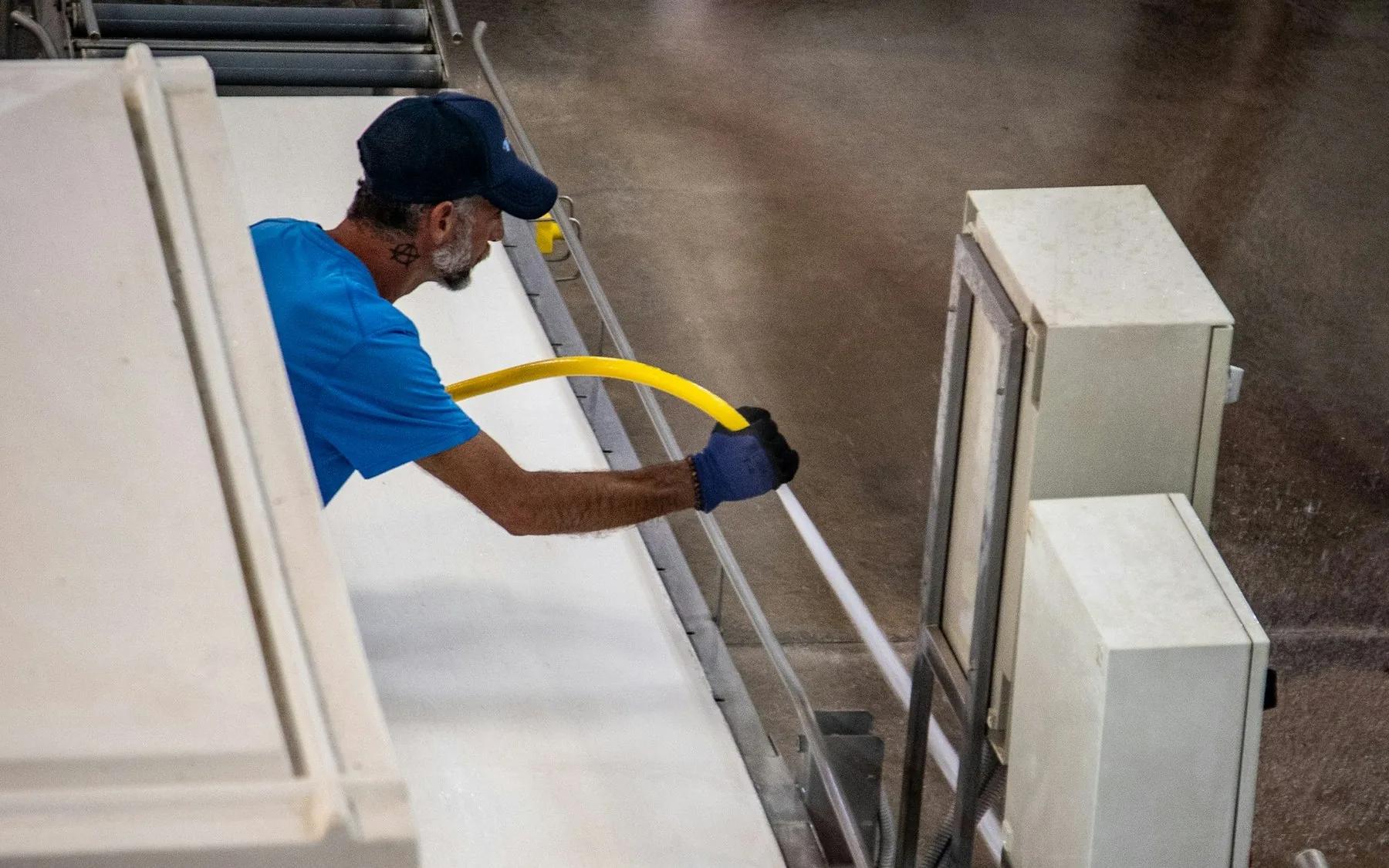
SubstrateThe surface that will receive the coating, such as concrete, steel, wall, tile, roof, glass, or an old coating layer.
PrimerThe first coating layer used to support adhesion, sealing, corrosion protection, or compatibility with the substrate.
TopcoatThe final visible or exposed layer that helps provide color, gloss, texture, weather resistance, or cleanability.
DFTDry film thickness. This helps define how much coating remains after curing and is important for many protective systems.
Pot lifeThe usable time after components are mixed. It affects how much material can be prepared and applied within one work period.
Curing timeThe time a coating needs before it can handle traffic, cleaning, immersion, or full service conditions.
Surface profileThe texture or roughness of a prepared surface. It can affect adhesion and coating build.
Anti-slip textureA surface texture designed to reduce slipping risk. The final choice depends on use area, cleaning, and comfort expectations.
Self-levelingA floor coating route designed to flow and form a smoother, more level surface under the right conditions.
Mock-upA small project sample or trial area used to confirm color, finish, texture, and practical application before wider use.
TintingThe process of adjusting a coating color with colorants or a tinting system. Tinting depends on product type, base, color strength, and production control.
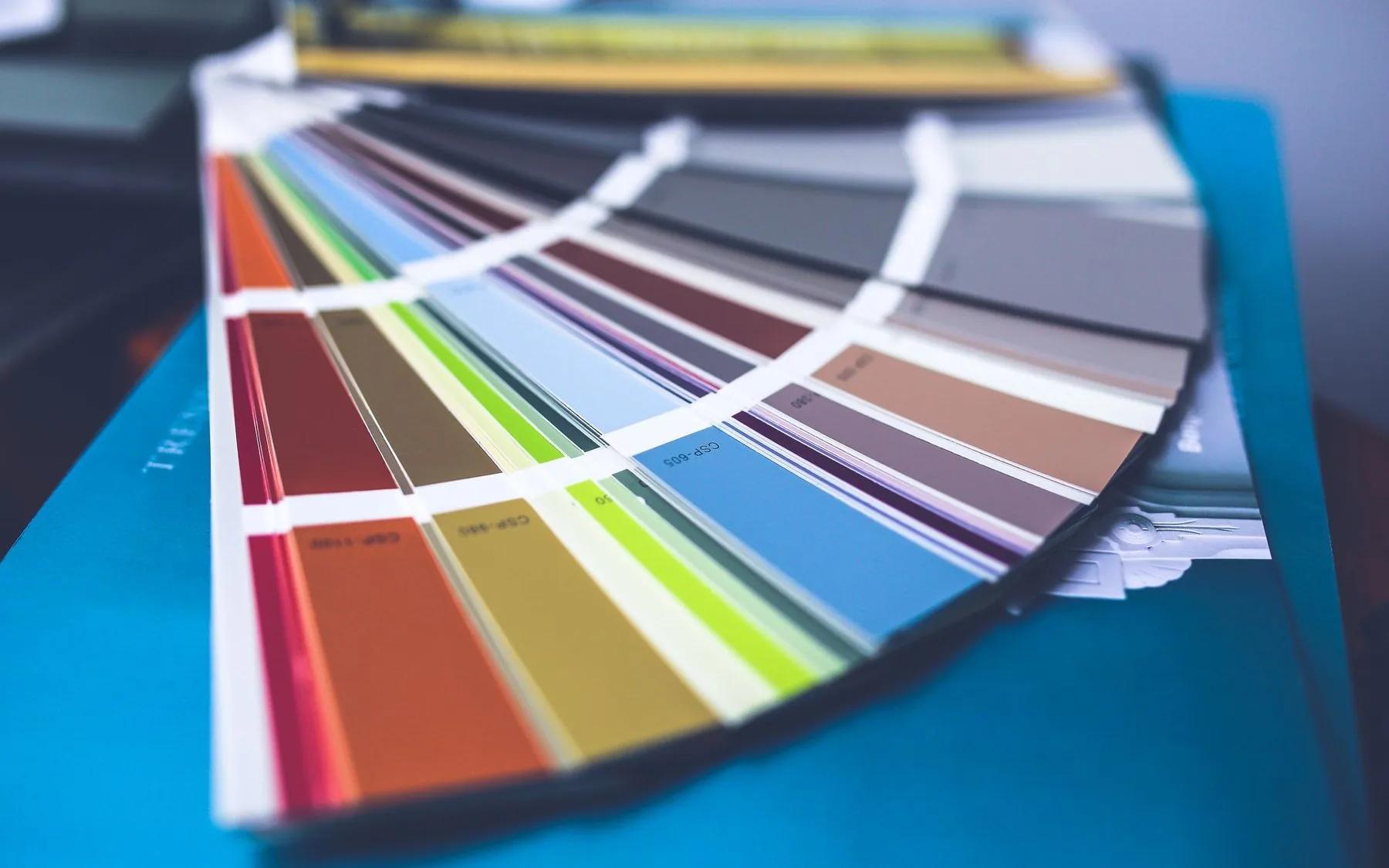
Color cardA physical color reference used for early communication. It should be followed by a product sample when final color approval matters.
Sample boardA prepared board or panel showing the coating color, gloss, texture, and sometimes the full system build.
MetamerismA color-matching issue where two samples look similar under one light source but different under another light source.
Gloss levelThe amount of light reflected by the coating surface. Gloss can change the visible depth, brightness, and perceived cleanliness of a color.
Color toleranceThe acceptable visual difference between the target color and the produced coating sample. It should be agreed with a physical sample or mock-up, not only a screen image.