Roofs & Exposed Surfaces
Waterproof coating options for concrete roofs, metal roofs, glass roof areas, exterior walls, balconies, and exposed building surfaces.
حلول VERDA
VERDA supports waterproofing projects for roofs, exterior walls, kitchens, bathrooms, balconies, pools, water tanks, basements, underground areas, and repair applications.
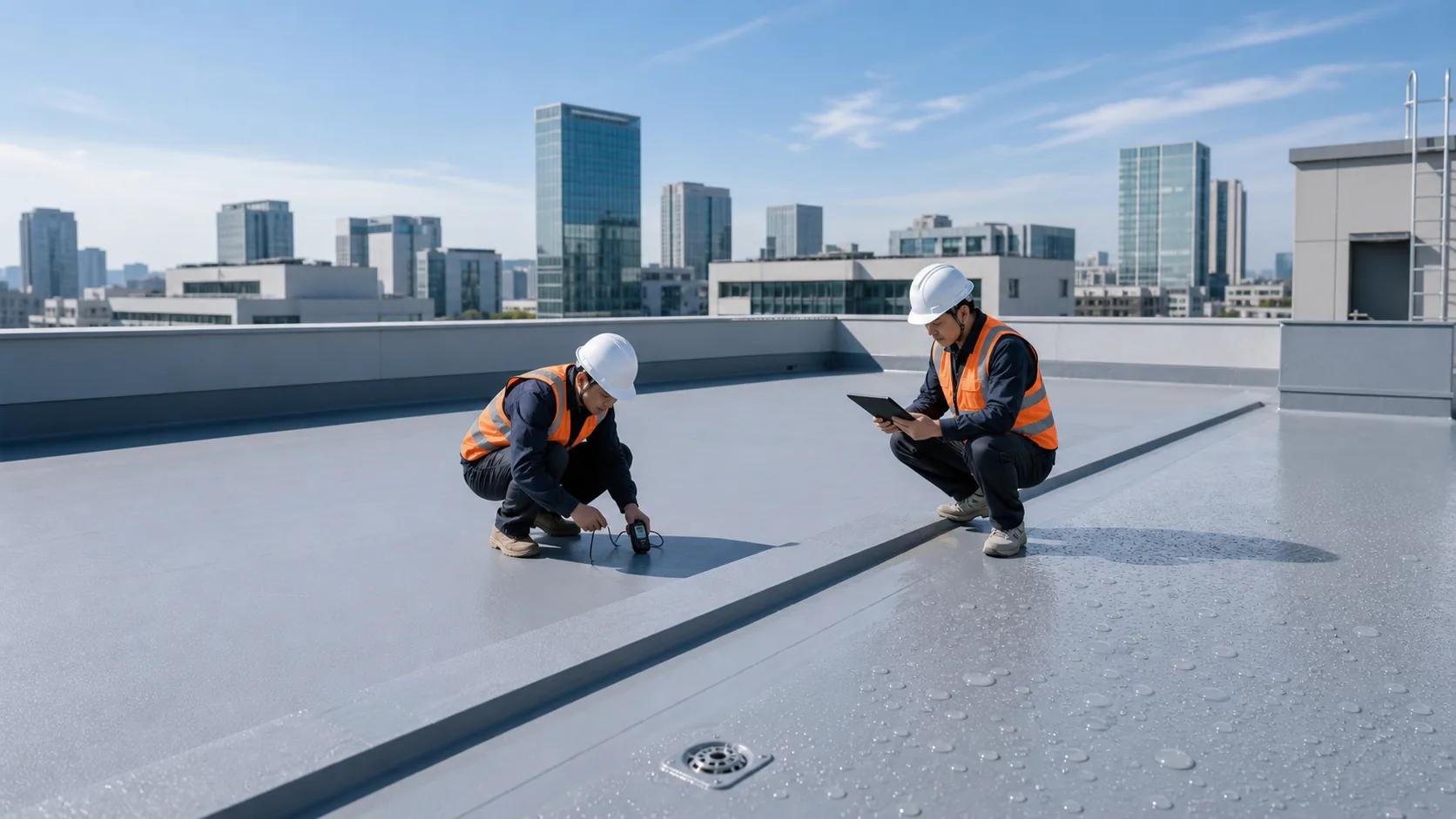
Use this solution page when the project needs moisture protection, roof waterproofing, wet-area treatment, long-term water exposure support, or repair of leakage-prone areas.
Waterproof coating options for concrete roofs, metal roofs, glass roof areas, exterior walls, balconies, and exposed building surfaces.
Indoor waterproofing support for kitchens, bathrooms, sanitary rooms, wet walls, floors, and tile-adjacent areas.
Waterproofing options for drinking water tanks, swimming pools, industrial pools, fire water pools, fish ponds, and aquaculture areas.
Support for underground structures, basements, pipe-root areas, damp surfaces, and moisture-prone concrete zones.
Grouting, transparent repair, crack treatment, tile seepage repair, and leakage maintenance pathways.
Primer and substrate reinforcement options to improve adhesion, base strength, and waterproofing layer performance.
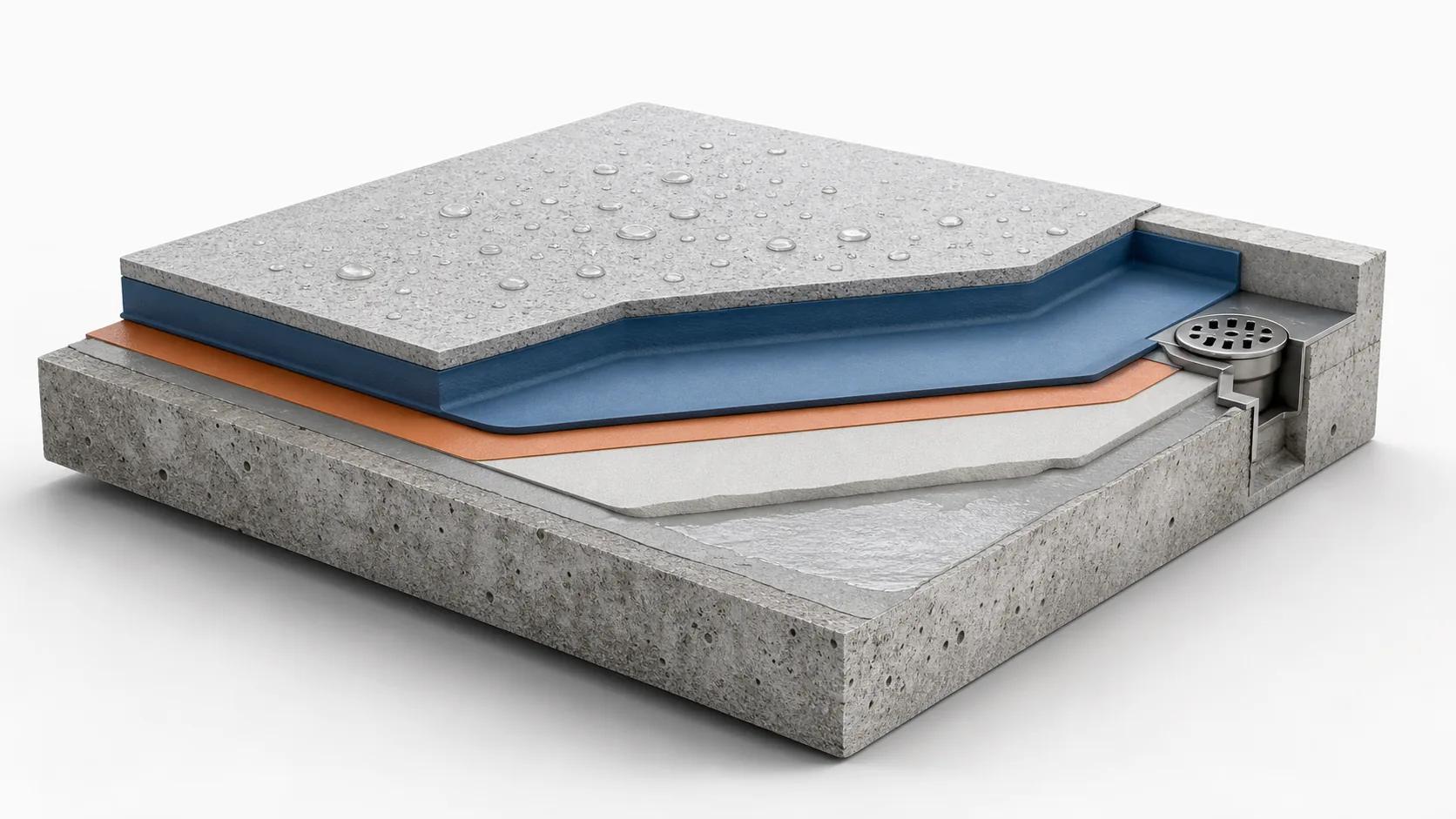
Waterproofing projects should be selected by application area, base condition, whether the surface is exposed, whether long-term water immersion is involved, and whether repair or primer reinforcement is required.
The right waterproofing path depends on leakage source, substrate condition, water exposure, surface movement, application environment, and expected maintenance cycle.
Roofs, walls, pipe roots, cracks, joints, balconies, and underground areas need different repair and coating approaches.
Loose, dusty, cracked, hollow, contaminated, or damp substrates may require cleaning, repair, or primer treatment before coating.
Exposed roofs and facades may face sun, rain, temperature change, UV, ponding water, and long-term weathering.
Pools, water tanks, fish ponds, and aquaculture areas require coatings selected for water-retaining conditions.
Cracks, deformation, joints, and base movement require products with suitable flexibility, adhesion, or grouting support.
Surface dryness, ventilation, temperature, rainy weather, dust, oil, and construction sequence affect waterproofing results.
These pathways organize VERDA waterproofing products around common project conditions. Final selection should be confirmed by project substrate and application requirements.
Indoor Wet Areas
For bathrooms, kitchens, sanitary rooms, balconies, indoor walls, and floor waterproofing before finishing.
Roof & Exposed
For concrete roofs, metal roofs, glass roof areas, exterior walls, balconies, and exposed waterproofing repairs.
Water-Retaining
For drinking water tanks, swimming pools, fish ponds, aquaculture ponds, industrial pools, and fire water pools.
Repair & Primer
For seepage repair, crack grouting, tile leakage repair, base reinforcement, and primer preparation.
Use the workflow below to prepare a clearer project brief before requesting product selection, samples, or quotation.
01
Confirm roof, wall, wet area, pool, basement, underground zone, crack, joint, pipe root, or repair area.
02
Check whether the surface is firm, flat, clean, dry, cracked, hollow, dusty, oily, damp, or previously coated.
03
Repair cracks, corners, pipe roots, joints, hollow areas, and weak parts before large-area waterproof coating.
04
Use primer or base reinforcement where the surface needs stronger adhesion, sealing, or anti-seepage preparation.
05
Apply the selected coating, primer, grouting, or repair material according to the product pathway and project conditions.
06
Allow curing, inspect continuity, avoid early water contact where required, and confirm the surface before handover.
Substrate condition is the first decision point. Share photos and surface details with VERDA before final product recommendation.
Concrete Roofs
Flat roofs, exposed roofs, roof slabs, parapet areas, and roof repair zones.
Cement Mortar / Screed
Common base for wet areas, balconies, kitchens, bathrooms, roofs, and maintenance projects.
Metal Roofs
Metal roof surfaces and exposed roof zones requiring waterproofing and weather-resistant coating options.
Tile / Ceramic Surfaces
Tile joints, ceramic surfaces, kitchens, bathrooms, wall/floor seepage repair, and transparent repair applications.
Pools & Water Tanks
Drinking water tanks, swimming pools, industrial pools, fire water pools, fish ponds, and aquaculture ponds.
Basements / Underground
Underground rooms, pipe roots, damp walls, cracks, leakage points, and repair details.
Exterior Walls
Exterior walls, facade details, balconies, window edges, and moisture-prone wall areas.
Existing Waterproof Layers
Maintenance repainting or repair areas where adhesion, cleaning, and compatibility need review.
These common scenarios help customers identify which waterproofing pathway may fit before requesting a quote or technical solution.
Case Type 01
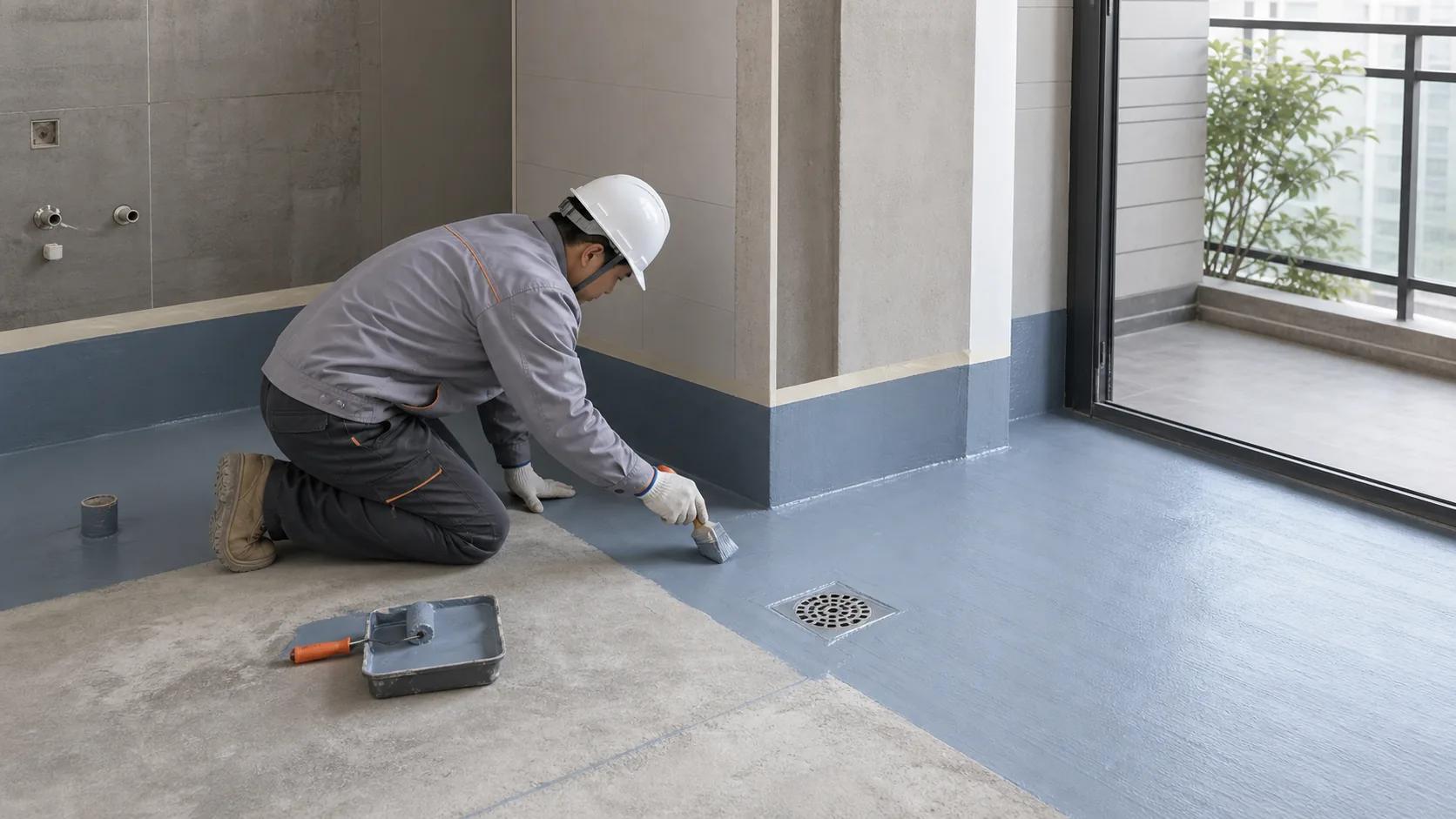
For indoor wet areas, wall/floor waterproofing, bathrooms, kitchens, sanitary rooms, and renovation projects.
Case Type 02
For concrete roofs, metal roofs, glass roof areas, balconies, and outdoor waterproofing maintenance.
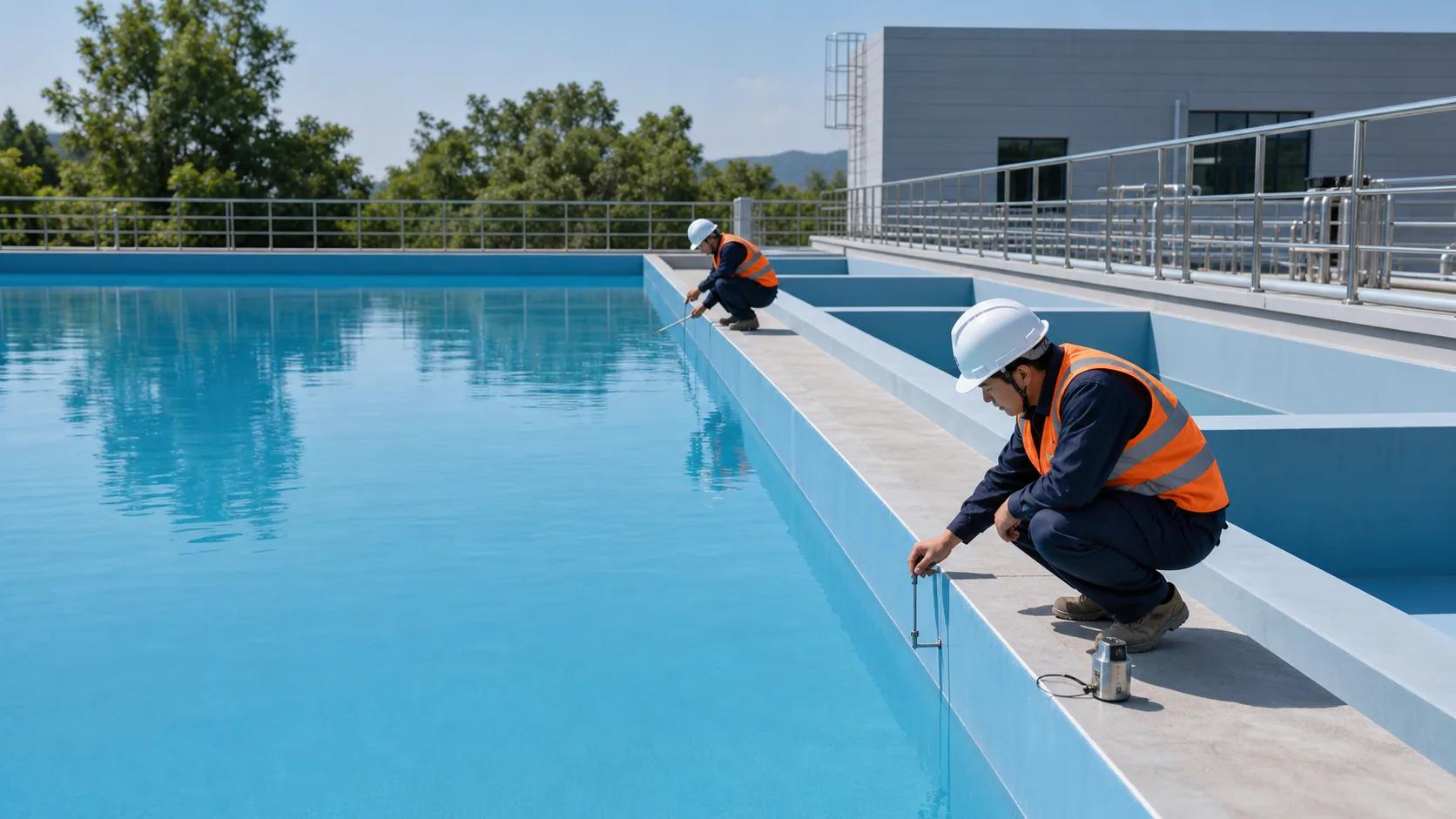
Case Type 03
For drinking water tanks, swimming pools, industrial pools, fire water pools, fish ponds, and water-retaining structures.
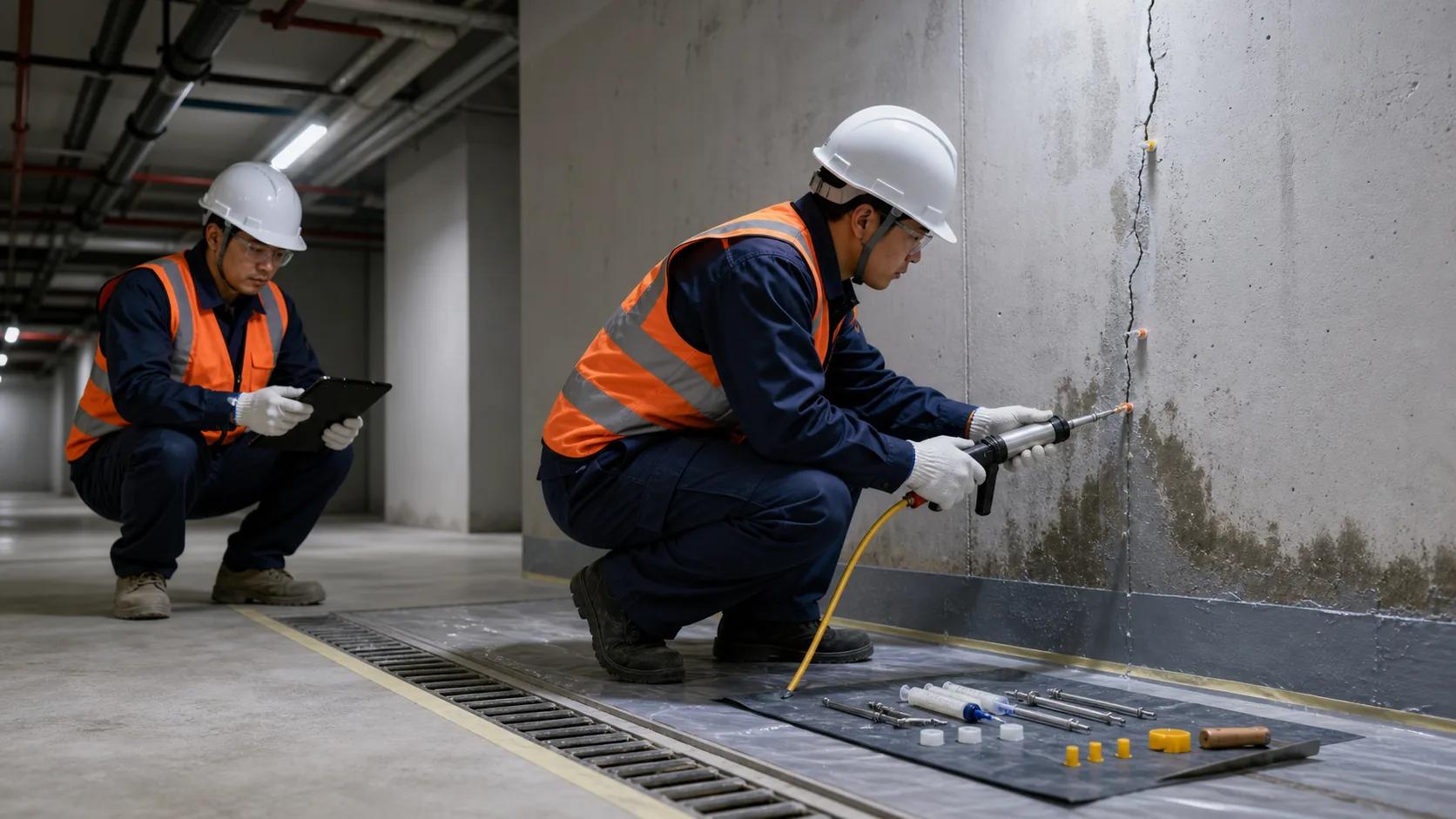
Case Type 04
For building cracks, tunnels, underground pipes, damp repair, leakage reinforcement, and maintenance projects.
Use this matrix to identify the right VERDA product direction before requesting documents, samples, quotation, or a technical review.
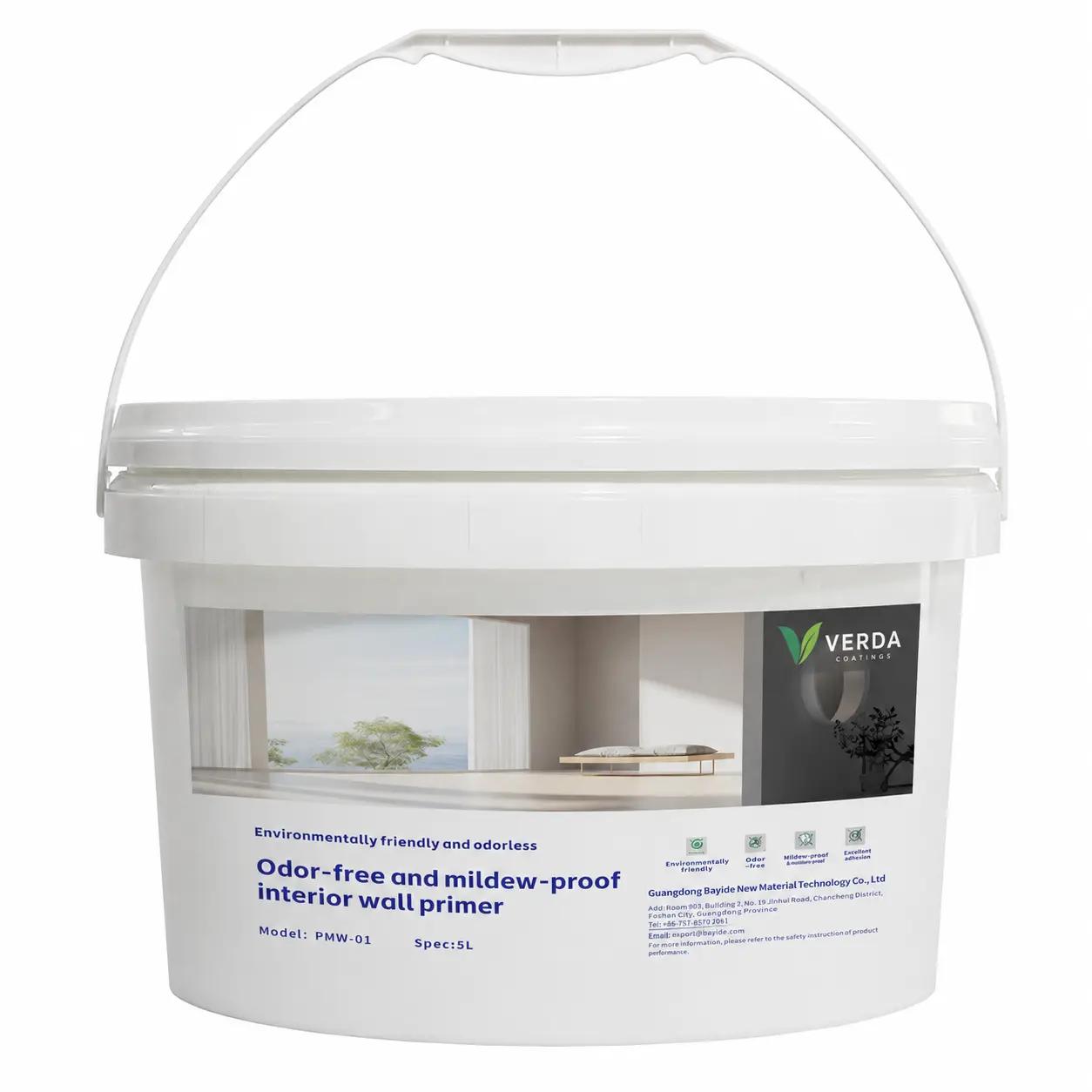
Product
Variant: Odor-free and mildew-proof interior wall primer

VERDA supports waterproofing projects with product selection, product materials, samples, branded packaging discussion, and export-ready communication.
Use one project brief for quotation, technical recommendation, sample discussion, product documents, or private label follow-up. This avoids repeated inquiry steps and helps VERDA respond with a clearer waterproofing pathway.
Project type, country, target market, application area, estimated quantity, and expected delivery schedule.
Roof, exterior wall, kitchen, bathroom, pool, tank, basement, underground area, pipe root, crack, or repair zone.
Substrate type, current condition, cracks, dampness, old coating, contamination, and exposure environment.
Distributor supply, contractor purchase, wholesale order, OEM/private label, packaging, sample, TDS, and SDS requirements.