Roofs and exposed decks
UV, rain, ponding, drainage, parapet details, expansion joints, and curing before the next storm.
Bei der Entscheidung für eine Abdichtung sollte der Wasserweg im Blick behalten werden, nicht das Produktetikett. Käufer erhalten bessere Empfehlungen, wenn sie den Untergrund, die Exposition, die Bewegungsabläufe, die zu bearbeitenden Bereiche, den Bauzeitraum und die benötigten Nachweise vor Baubeginn beschreiben.
Die Vorgehensweise bei der Abdichtung hängt von der Oberfläche, der Exposition und dem jeweiligen Risikoprofil ab. Nutzen Sie diese Gemeinsamkeiten als Grundlage für das erste Gespräch, bevor Sie Produktfamilien vergleichen.
UV, rain, ponding, drainage, parapet details, expansion joints, and curing before the next storm.
Corners, drains, pipe penetrations, tile compatibility, turn-up height, and water test expectations.
Groundwater, vapor pressure, negative-side risk, cracks, construction joints, and substrate repair.
Continuous water contact, cleaning method, chemical exposure, curing time, and inspection access.
Waterproofing is often discussed too late, after leakage, stains, swelling, or blistering have already appeared. At that point the conversation becomes expensive because the project is no longer only choosing a coating. It may also need repair, drying, joint treatment, drainage correction, or a change in how the surface is prepared.
A better waterproofing inquiry starts before the product name. It explains where the water comes from, where it will sit, where the structure may move, and how soon the area must return to service. With those facts in hand, VERDA can help the buyer discuss a route instead of guessing from a short description.
The first question is not whether the project needs acrylic, polyurethane, polyurea, cementitious waterproofing, or another product family. The first question is how water reaches the surface. Rain, standing water, splash, vapor pressure, groundwater, condensation, cleaning water, and temporary ponding create different risks.
A roof exposed to storm water is not the same as a bathroom floor, a balcony, a basement wall, a water tank, or a facade detail. If the buyer can describe the water path clearly, the coating discussion can move from a generic request to a practical system route.
Waterproofing selection starts with the water source, water pressure, and drainage condition.
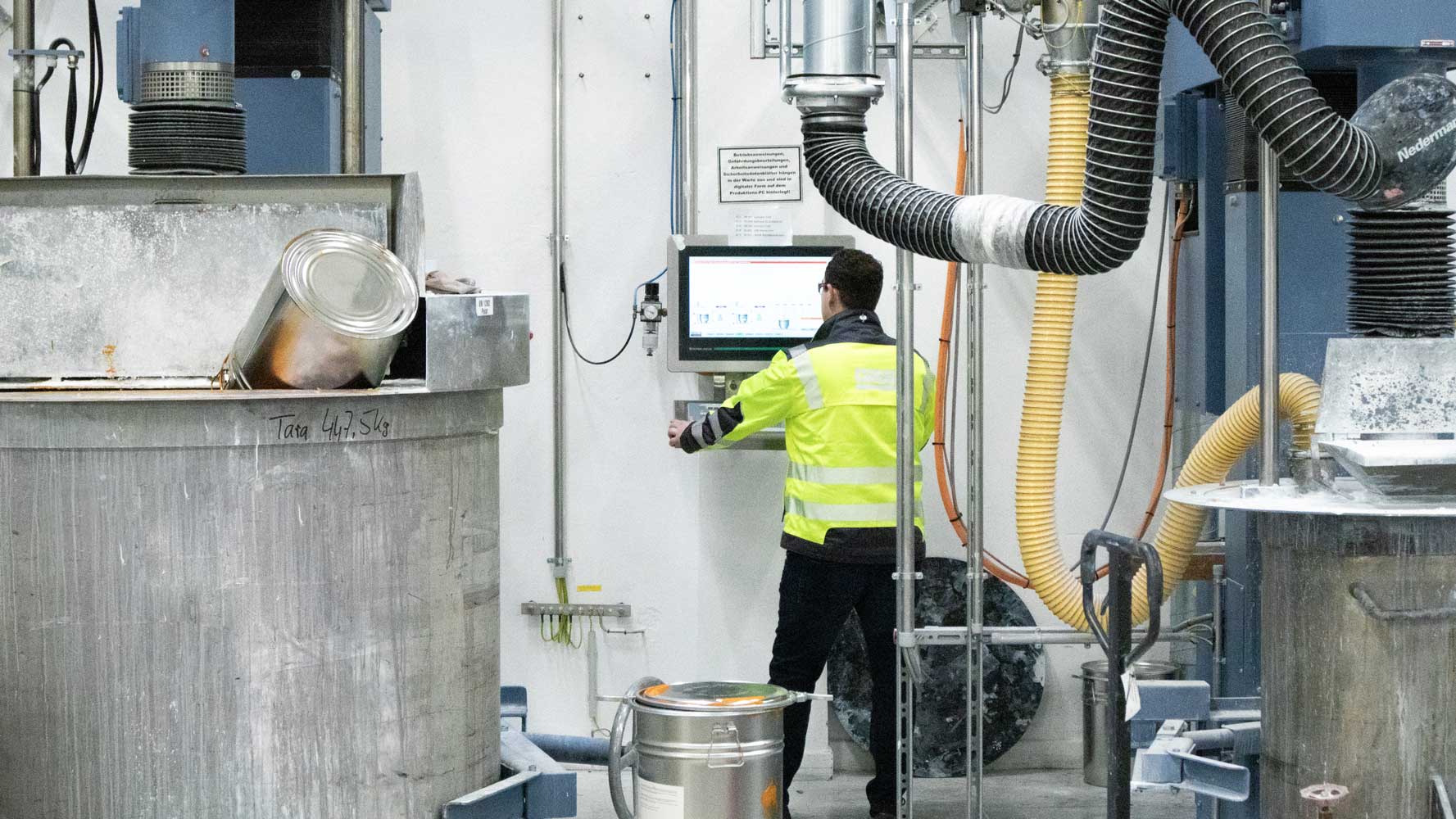
Waterproofing depends heavily on the surface it is bonded to. Concrete strength, moisture level, cracks, honeycombing, laitance, old coating, dust, oil, tile adhesive, rusted metal, or loose plaster can all change the route. A product that performs well on a clean, stable surface can fail quickly on a weak or wet one.
For renovation work, the old surface is often the biggest unknown. Buyers should share whether the area has previous waterproofing, whether tiles or screed will be removed, whether the substrate can be fully dried, and whether cracks or joints are active. These answers decide preparation before they decide coating.
A waterproof coating is only as reliable as the substrate, repair method, and adhesion surface beneath it.
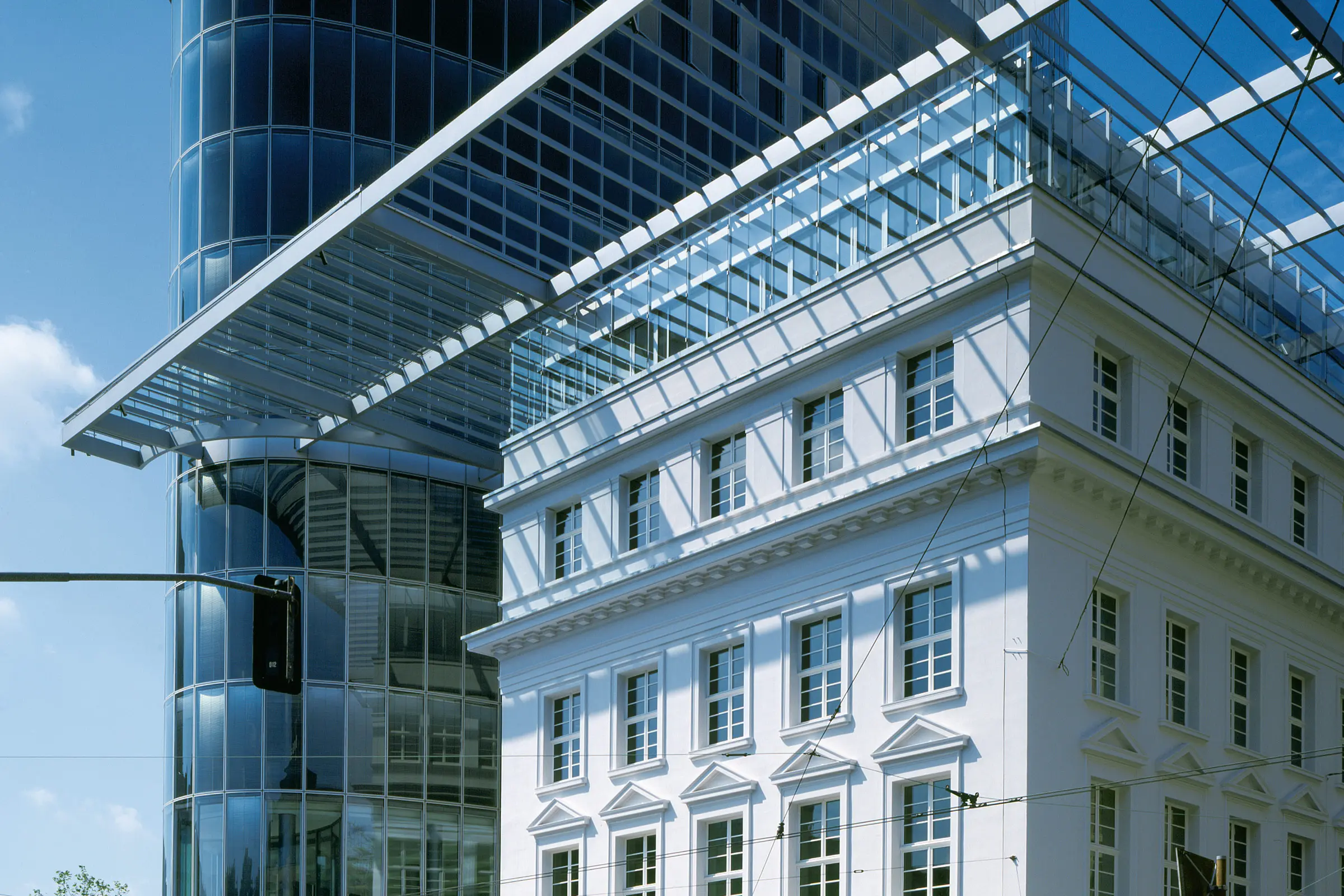
Different areas ask different questions. Roofs need UV resistance, ponding review, drainage, flashing, and movement control. Bathrooms, kitchens, and balconies need detail work around drains, pipe penetrations, corners, wall-floor joints, and tile compatibility. Basements and retaining walls may involve negative-side pressure, vapor, or groundwater.
Industrial or public areas add another layer: abrasion, cleaning chemicals, traffic, return-to-service time, and maintenance access. A useful inquiry should name the area honestly instead of asking for one waterproof product to cover every exposure.
The project area decides which waterproofing risks must be controlled first.
Most waterproofing problems do not begin in the middle of a perfect flat surface. They begin at joints, inside corners, parapets, pipe penetrations, drains, seams, cracks, edges, door thresholds, equipment bases, and areas where different materials meet. Those details should be photographed and discussed before the main area is measured.
A coating route may need reinforcement, fabric, sealant, repair mortar, primer, joint treatment, or a defined turn-up height. If these details are missing from the early brief, the buyer may compare product prices while the real risk remains outside the comparison.
Waterproofing is won or lost at edges, joints, drains, cracks, and penetrations.
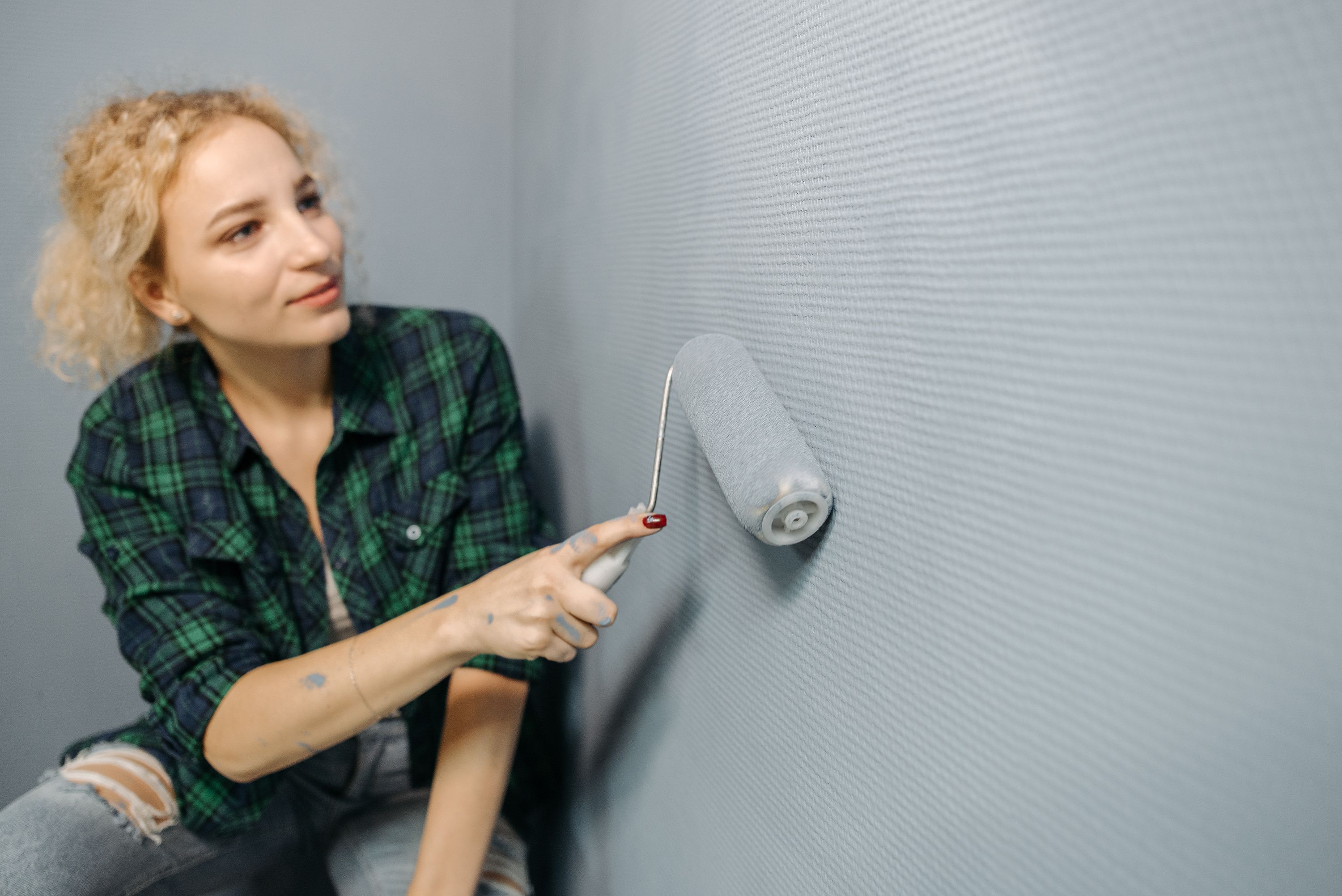
Waterproofing work is sensitive to weather, substrate temperature, humidity, ventilation, dust, rain risk, and curing time. A technically suitable system can still be a poor project choice if the site cannot stay dry long enough, if the area must reopen too quickly, or if the next trade will cover the coating before it is ready.
Buyers should share the available work window, weather exposure, expected handover date, and whether water testing or flood testing is planned. The construction schedule should not be treated as an afterthought; it is part of the waterproofing decision.
A waterproofing system must fit the site schedule as well as the technical exposure.
For small wet areas, the buyer may need product data, application notes, and a clear detail drawing. For large roofs, basements, tanks, public projects, or warranty-sensitive work, the buyer may also need a sample area, compatibility review, water test plan, maintenance guidance, or project-specific document support.
The point is not to collect documents for decoration. The point is to reduce uncertainty before material is ordered and work begins. A buyer who can share the project facts will receive a more useful waterproofing discussion than a buyer who only asks for the strongest product.
The level of proof should match the exposure, project size, and consequence of leakage.
Use this brief when asking VERDA for waterproofing support. The more clearly the buyer explains water exposure, surface condition, detail areas, and construction timing, the more useful the next recommendation can be.
Waterproofing is not selected by product family alone. It is selected by the water path, substrate condition, movement risk, detail treatment, application window, and the level of proof the project requires.
Before comparing waterproof coatings, prepare a clear project brief. That discipline protects the buyer from under-specifying the real risk and gives VERDA a stronger basis for practical support.