
Factories and workshops
Choose an epoxy-led route when the project needs high hardness, strong adhesion, pressure resistance, and a thick-build system.
Les revêtements de sol époxy et polyuréthane répondent à différents problèmes. L'époxy apporte dureté, adhérence, résistance à la pression et une grande solidité grâce à son épaisseur importante ; le polyuréthane offre une meilleure résistance à l'abrasion, une plus grande flexibilité, une résistance aux UV et une finition plus résistante aux intempéries.
Le choix d'un revêtement de sol varie selon la dureté, la capacité de charge, la résistance à l'abrasion, aux chocs et aux UV, la flexibilité, l'aspect et le coût. Il est conseillé de se baser sur ces critères avant de comparer les systèmes époxy et polyuréthane.
Choose an epoxy-led route when the project needs high hardness, strong adhesion, pressure resistance, and a thick-build system.
Epoxy is usually the stronger starting point when load bearing, concrete adhesion, and cost control matter most.
Polyurethane is often the better topcoat discussion when abrasion resistance, flexibility, gloss retention, and a softer surface feel are important.
Polyurethane is more suitable where UV resistance, anti-yellowing performance, weatherability, and temperature-change tolerance are priorities.
A useful floor coating decision should not begin with the question of which material is better. It should begin with what the project needs: hardness, load capacity, abrasion resistance, impact resistance, chemical resistance, UV stability, flexibility, appearance, and cost control.
In many demanding projects, the strongest answer is not a simple epoxy-or-polyurethane choice. Epoxy can provide the primer and intermediate layers for adhesion, thickness, and bearing strength, while polyurethane can provide the topcoat for abrasion resistance, UV resistance, and toughness.
Utilisez les points ci-dessous pour comparer l'époxy et le polyuréthane avant de choisir un revêtement de sol.
| Point | Epoxy floor coating | Polyurethane floor coating |
|---|---|---|
| Core character | High hardness, strong adhesion, and strong pressure resistance. | Better abrasion resistance, flexibility, and weatherability. |
| Surface hardness | Harder, with stronger compression resistance. | Slightly more flexible and not as hard as epoxy. |
| Abrasion resistance | Good. | Usually better, especially where frequent friction is expected. |
| Impact resistance | Average; heavy impact may cause cracking. | Better toughness and less brittle under impact. |
| Chemical resistance | Excellent resistance to oil, acids, alkalis, and solvents. | Good, depending on the specific system. |
| UV / yellowing | Weaker; outdoor exposure can cause yellowing and chalking. | Stronger UV resistance and better anti-yellowing performance. |
| Flexibility | Lower flexibility and more rigid behavior. | Higher flexibility for temperature change or light vibration. |
| Temperature change | Average. | Better tolerance of temperature change. |
| Film build | Suitable for thick-build, self-leveling, and mortar systems. | Often used as a topcoat or thin protective coat. |
| Adhesion | Strong adhesion to concrete. | Also good, but commonly paired with epoxy primer or intermediate layers. |
| Appearance | High gloss, flat appearance, and a stronger thick-film look. | Good gloss retention with a softer surface feel. |
| Cost | Usually lower. | Usually higher. |
| Typical applications | Factories, warehouses, workshops, parking areas, and heavy-load zones. | Commercial spaces, sports areas, outdoor walkways, abrasion-resistant topcoats, and UV-exposed areas. |
Epoxy and polyurethane should not be judged as interchangeable labels. A project that needs high hardness, pressure resistance, thick build, and cost control is not asking the same question as a project that needs flexibility, UV resistance, abrasion resistance, and better impact response.
The practical comparison begins by separating structural requirements from surface-performance requirements. Epoxy usually answers the need for adhesion, hardness, and build. Polyurethane often answers the need for a more wear-resistant, flexible, and UV-stable surface.
articles.epoxy-vs-polyurethane-floor-coatings.blocks.3.takeaway
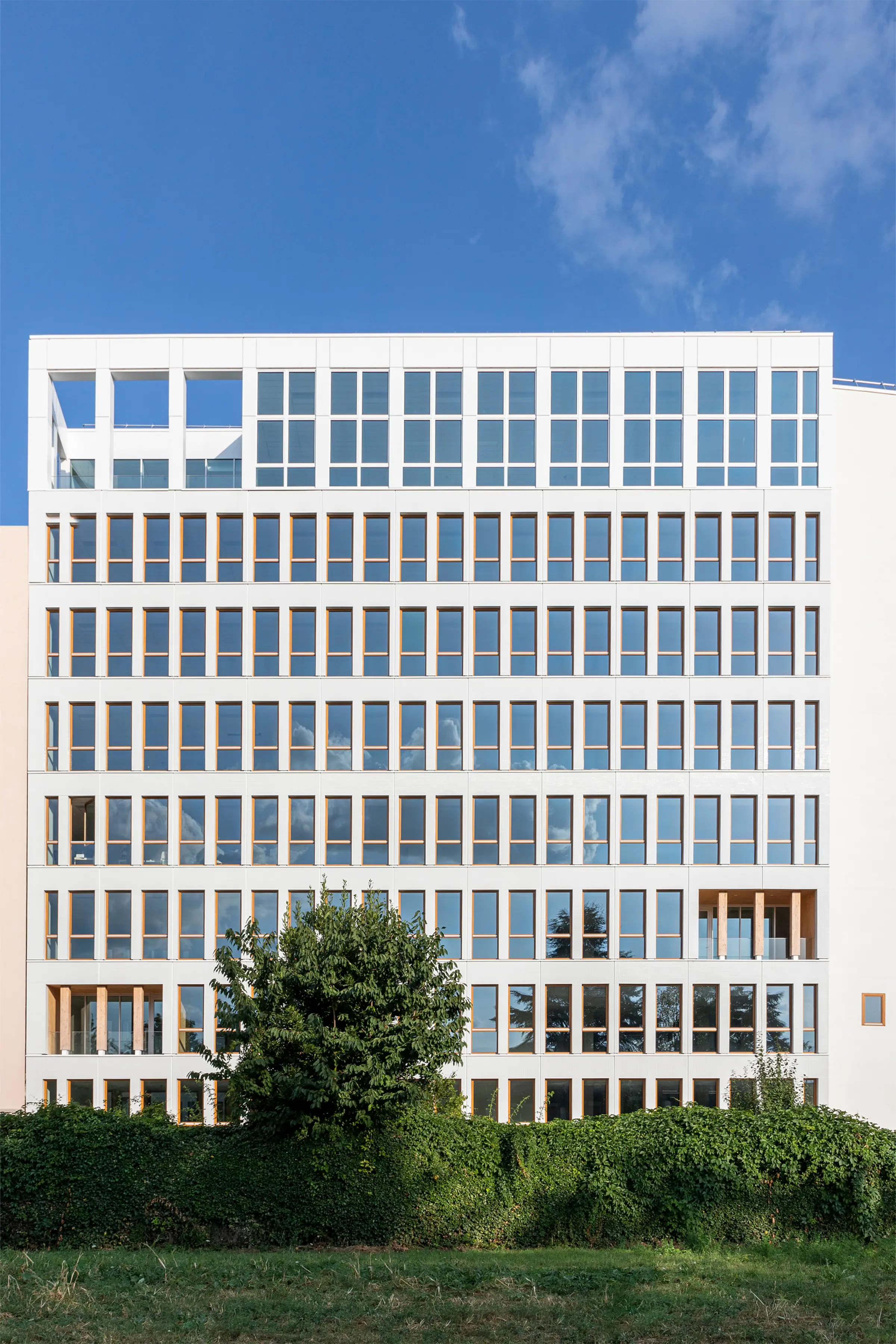
Epoxy is the stronger starting point when the buyer needs high hardness, high adhesion, high pressure resistance, and a thicker floor system. It is widely used for factories, warehouses, workshops, parking areas, and heavy-load zones.
It is also usually the more cost-controlled route. For concrete floors where bonding strength, film build, and load capacity are the main concerns, epoxy gives the system a solid foundation.
articles.epoxy-vs-polyurethane-floor-coatings.blocks.4.takeaway
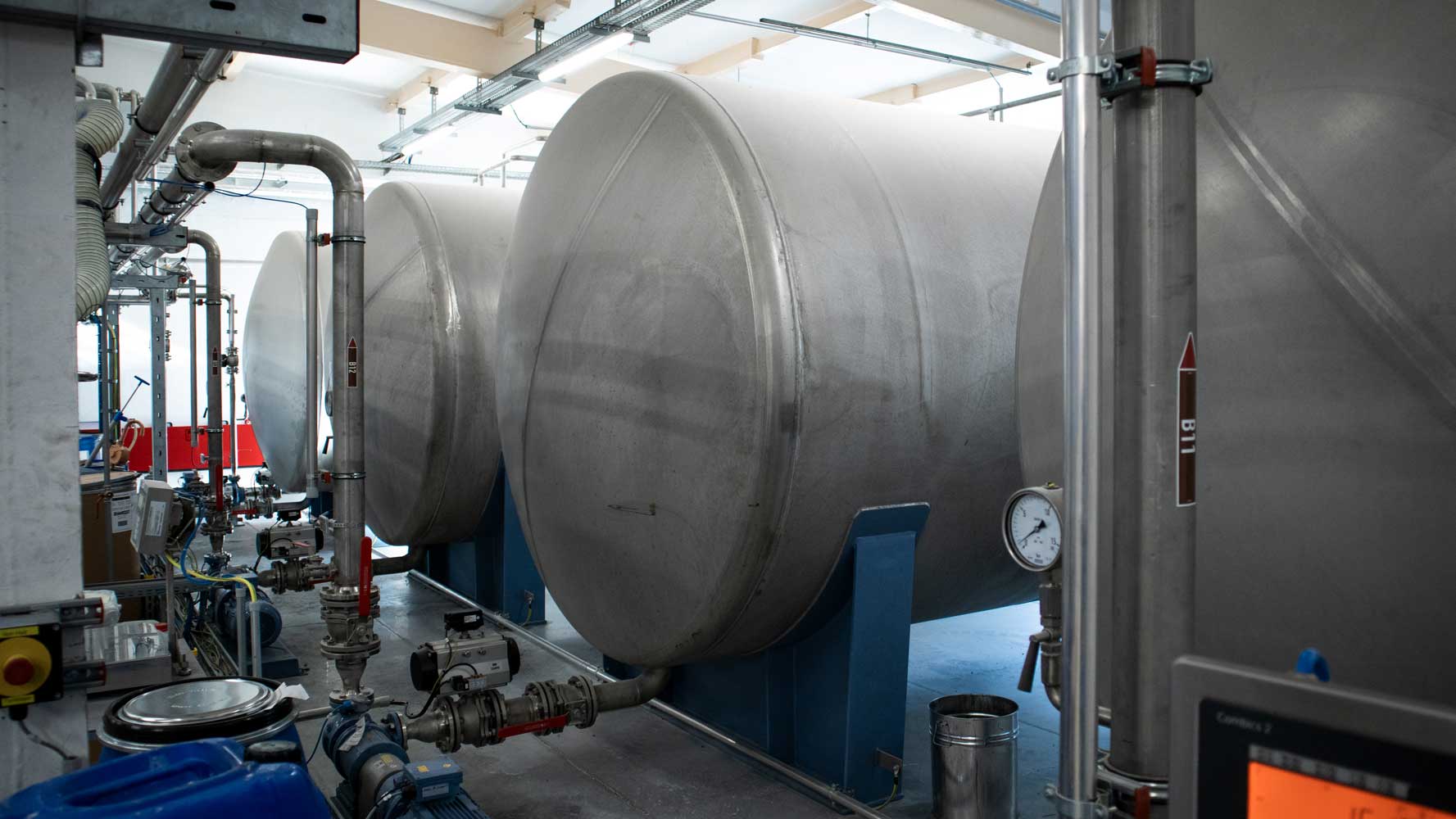
Polyurethane becomes more important when the floor needs better abrasion resistance, impact response, UV resistance, anti-yellowing performance, flexibility, and tolerance of temperature change. It is not always the base of the system, but it is often the surface that protects the system.
This makes polyurethane especially relevant for commercial spaces, sports areas, outdoor walkways, UV-exposed areas, and projects where the topcoat must stay more flexible and wear-resistant.
articles.epoxy-vs-polyurethane-floor-coatings.blocks.5.takeaway
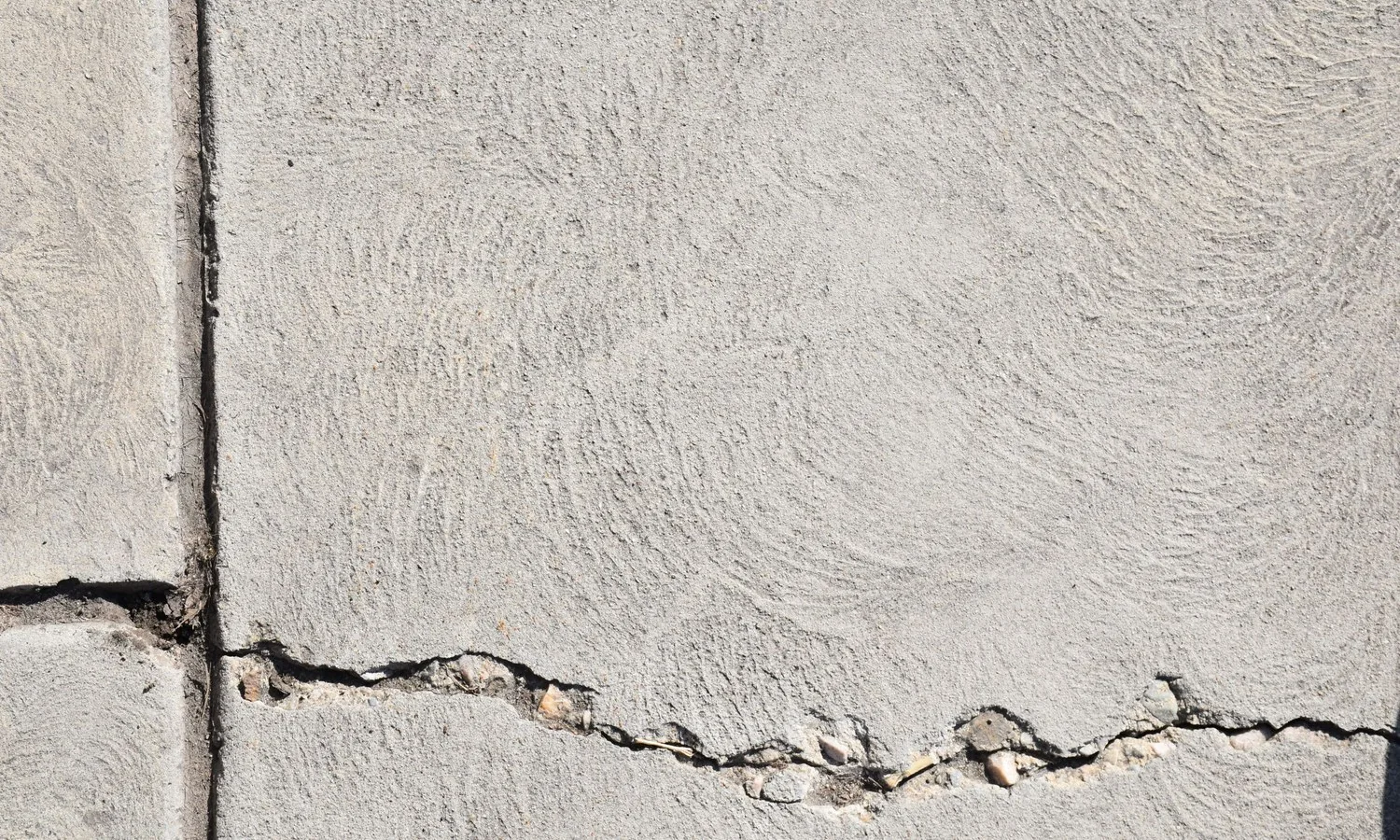
Epoxy is often associated with high gloss, flat appearance, and a strong thick-film look. This can be attractive when the buyer wants a dense, smooth, industrial floor finish.
Polyurethane is often selected when gloss retention and a softer surface feel are more important. For visible commercial or public areas, the final topcoat can matter as much as the base system.
articles.epoxy-vs-polyurethane-floor-coatings.blocks.6.takeaway
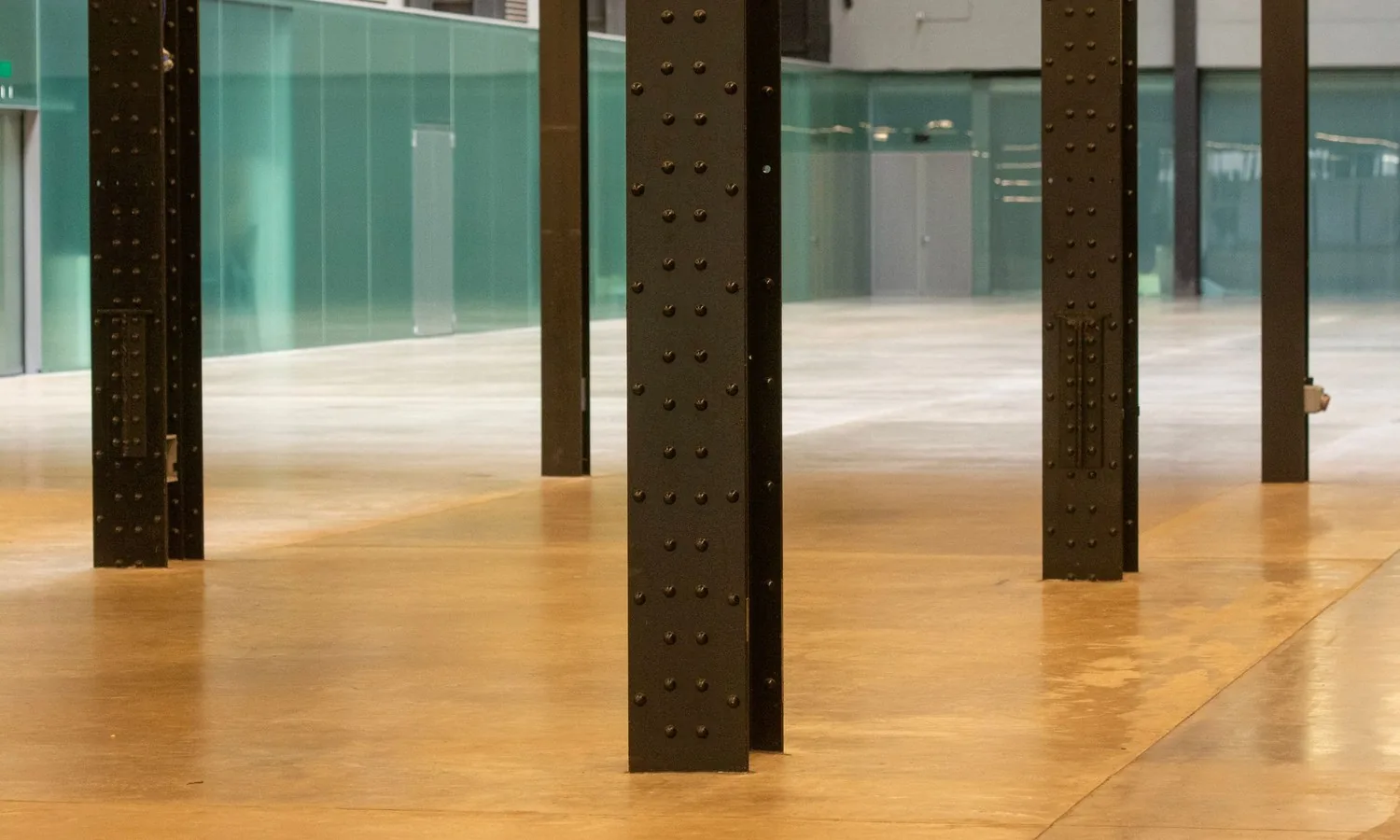
The most professional answer is often not to use only epoxy or only polyurethane. In higher-demand projects, epoxy can provide the primer and intermediate layers, while polyurethane can provide the topcoat.
This structure uses epoxy for adhesion, thickness, and carrying strength, then uses polyurethane for abrasion resistance, UV resistance, and toughness. It is a more balanced route than comparing two product names in isolation.
articles.epoxy-vs-polyurethane-floor-coatings.blocks.7.takeaway
Before choosing the floor coating route, buyers should confirm which comparison points matter most: surface hardness, abrasion resistance, impact resistance, chemical resistance, UV resistance, flexibility, temperature-change tolerance, film build, adhesion, appearance, and cost.
If the project is a factory, warehouse, workshop, parking area, or other heavy-load zone, epoxy may lead the discussion. If the project is commercial, outdoor, semi-outdoor, or UV-exposed, polyurethane should be part of the topcoat discussion.
articles.epoxy-vs-polyurethane-floor-coatings.blocks.8.takeaway
Use these comparison points when asking VERDA to discuss an epoxy, polyurethane, or combined floor coating route.
Confirm whether the project needs a harder, higher-pressure-resistant floor.
Confirm whether frequent friction makes polyurethane performance more important.
Confirm whether toughness and reduced brittleness matter for the floor.
Confirm whether oil, acids, alkalis, or solvents are part of the requirement.
Confirm whether the floor is outdoor, semi-outdoor, or exposed to sunlight.
Confirm whether temperature change or light vibration should influence the route.
Confirm whether the project needs thick build, self-leveling, mortar, or a thin protective topcoat.
Confirm cost expectation, gloss, flatness, thick-film look, and surface feel.
Epoxy and polyurethane should not be compared as a simple winner-or-loser decision. Epoxy is stronger for hardness, adhesion, thick build, and cost control. Polyurethane is stronger for abrasion resistance, flexibility, UV resistance, and anti-yellowing performance.
For higher-demand projects, the most balanced route is often epoxy primer, epoxy intermediate coat, and polyurethane topcoat.