Professional coating solutionsServing partners worldwide
Product Knowledge

Resources / Product Knowledge

Product Knowledge

Understand the project conditions behind coating selection before choosing a product name. Use this page to prepare better questions, compare coating routes, and share useful details with VERDA.

Knowledge Topics

Start with the question closest to your project. Each topic is written for buyers, distributors, contractors, and project teams who need practical selection guidance before requesting a recommendation.

Choose by project condition, not only by product name
Selection

Choose by project condition, not only by product name

Start with the surface, environment, performance goal, and construction window. Product names make more sense after the project route is clear.

Share the surface, use environment, expected performance, and target finish.
Confirm the substrate before comparing coating families
Surface

Confirm the substrate before comparing coating families

Concrete, steel, zinc, aluminum, tile, glass, roof, and old coating surfaces need different checks before primer or topcoat selection.

Confirm new or renovation work, surface strength, moisture, contamination, and previous coating condition.
Primer, build, and topcoat work together
System

Primer, build, and topcoat work together

A coating system may include surface treatment, primer, intermediate build, functional layer, and finish coat. Skipping a layer can change performance.

Ask which system build is recommended for your substrate, exposure, and service life target.
Application window can change the right product route
Application

Application window can change the right product route

Temperature, humidity, ventilation, downtime, traffic return, and available tools all influence product choice and application planning.

Share the jobsite temperature range, humidity, schedule, tools, and when the area must return to use.
Water, heat, load, and chemicals are separate questions
Exposure

Water, heat, load, and chemicals are separate questions

A floor, wall, steel, or waterproofing project may need protection against different stresses. Identify the dominant stress before selecting the system.

Confirm water immersion, UV exposure, chemicals, abrasion, heavy load, cleaning method, and service temperature.
Color approval should connect standard, sample, and jobsite review
Color & Tinting

Color approval should connect standard, sample, and jobsite review

A color code, digital image, or catalog view is only a starting point. Final approval should consider product family, tinting base, gloss, texture, lighting, and physical sample review.

Share the color standard, reference sample, finish, gloss level, lighting condition, and approval method.
Color samples reduce approval risk before production
Color Approval

Color samples reduce approval risk before production

For visible projects, color approval should be based on a physical sample, sample board, or mock-up that shows the real coating, gloss, texture, and lighting effect.

Confirm the approved sample, color tolerance, gloss level, texture, lighting condition, and whether a retained batch sample is needed.
Documents and samples close the decision gap
Documents

Documents and samples close the decision gap

Catalogs, TDS, SDS, color cards, samples, and mock-ups help buyers move from early selection to specification and purchase discussion.

Request the documents, color references, samples, or project-specific discussion needed for your decision stage.
Plan cleaning and touch-up before handover
Maintenance

Plan cleaning and touch-up before handover

Cleaning method, spare material, touch-up color, and maintenance cycle should be discussed before final selection, especially for public, industrial, or high-visibility areas.

Share the cleaning method, expected maintenance cycle, touch-up area, spare material need, and final approval owner.

Coating System Basics

A coating is usually selected as a system, not as one isolated product. Substrate, preparation, primer, build, finish, curing, and maintenance all affect the final recommendation.

Coating system discussion
01

Substrate

Identify the surface type and condition before choosing a primer or coating family.

02

Surface preparation

Confirm cleaning, repair, moisture, roughness, and contamination risks before application.

03

Primer

Use primer to support adhesion, sealing, corrosion protection, or surface compatibility when required.

04

Build layer

Add thickness, leveling, waterproofing, anti-corrosion, anti-static, or other functional performance where needed.

05

Topcoat or finish

Choose the color, gloss, texture, weather resistance, cleanability, and final appearance.

06

Curing and maintenance

Allow the system to cure and maintain it according to the use environment and cleaning method.

Project Conditions That Matter

The same coating family can perform differently when surface condition, exposure, traffic, cleaning, temperature, and document requirements change. Use these conditions to prepare a clearer inquiry.

Surface condition

New, old, wet, dusty, oily, cracked, previously coated, or repaired surfaces may need different preparation.

Moisture and water

Rising moisture, wet cleaning, immersion, roof exposure, or bathrooms and pools should be discussed early.

Traffic and load

Foot traffic, forklifts, machinery, parking, impact, abrasion, and return-to-service timing can change the system route.

Chemical exposure

Acids, alkalis, solvents, oils, cleaners, salt, or industrial fumes should be listed before recommendation.

UV and weather

Exterior walls, roofs, steel, balconies, and marine or industrial sites need exposure and service-life discussion.

Temperature

Application temperature, service temperature, thermal shock, and heat-reduction expectations are separate checks.

Color and finish

Color standard, tinting base, gloss, texture, transparency, anti-slip feel, lighting review, and sample approval should be confirmed before order.

Documents

TDS, SDS, certificates, local compliance checks, and project specification documents should match the target market.

Color & Tinting Knowledge

Color selection is more than choosing a name from a screen. Use color standards, samples, lighting review, gloss level, and tinting limitations to reduce approval risk before production or application.

Color standard

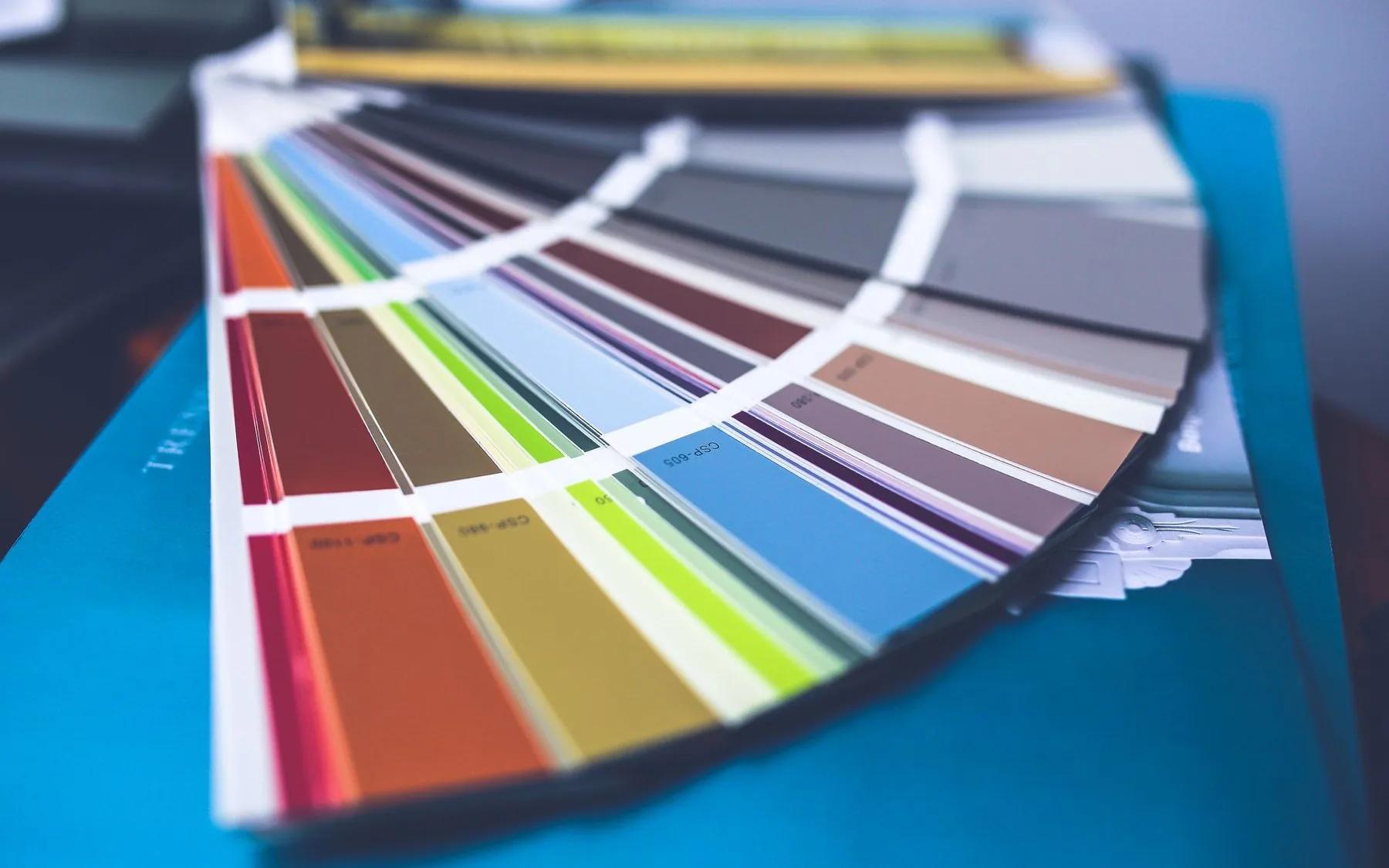
RAL, NCS, Pantone, local fan decks, or a physical reference sample can help define the target color. A screen image alone is not enough for final approval.

Tinting base

Deep, bright, transparent, or special colors may require a specific tinting base or coating family. Not every color can be made in every product route.

Lighting review

Daylight, warm indoor light, cool white light, and shadow can make the same sample look different. Review important colors under real project lighting.

Gloss and texture

Matte, satin, gloss, orange peel, sand texture, anti-slip texture, and metallic effects can change how a color is perceived and how easy the surface is to clean.

Sample approval

Use a color card, wet sample, dry sample, sample board, or project mock-up before bulk production when color and finish are commercially important.

Batch consistency

For large or visible areas, confirm batch planning, touch-up material, and approval sample retention to reduce color variation across the project.

Plain-Language Glossary

Use these definitions to align sales, purchasing, construction, color approval, and technical teams before discussing a coating system.

Substrate

The surface that will receive the coating, such as concrete, steel, wall, tile, roof, glass, or an old coating layer.

Primer

The first coating layer used to support adhesion, sealing, corrosion protection, or compatibility with the substrate.

Topcoat

The final visible or exposed layer that helps provide color, gloss, texture, weather resistance, or cleanability.

DFT

Dry film thickness. This helps define how much coating remains after curing and is important for many protective systems.

Pot life

The usable time after components are mixed. It affects how much material can be prepared and applied within one work period.

Curing time

The time a coating needs before it can handle traffic, cleaning, immersion, or full service conditions.

Surface profile

The texture or roughness of a prepared surface. It can affect adhesion and coating build.

Anti-slip texture

A surface texture designed to reduce slipping risk. The final choice depends on use area, cleaning, and comfort expectations.

Self-leveling

A floor coating route designed to flow and form a smoother, more level surface under the right conditions.

Mock-up

A small project sample or trial area used to confirm color, finish, texture, and practical application before wider use.

Tinting

The process of adjusting a coating color with colorants or a tinting system. Tinting depends on product type, base, color strength, and production control.

Color card

A physical color reference used for early communication. It should be followed by a product sample when final color approval matters.

Sample board

A prepared board or panel showing the coating color, gloss, texture, and sometimes the full system build.

Metamerism

A color-matching issue where two samples look similar under one light source but different under another light source.

Gloss level

The amount of light reflected by the coating surface. Gloss can change the visible depth, brightness, and perceived cleanliness of a color.

Color tolerance

The acceptable visual difference between the target color and the produced coating sample. It should be agreed with a physical sample or mock-up, not only a screen image.

Project Brief Checklist

A clear project brief helps VERDA respond with a useful next step. Share the details below when requesting product guidance, color support, documents, samples, or a quotation.

  • Project location, market, and climate exposure
  • Surface type and current condition
  • New construction or renovation
  • Main concern: decoration, corrosion, waterproofing, wear, heat reduction, hygiene, anti-static, or chemical resistance
  • Area, target thickness or film build, and expected service life
  • Application method, tools, temperature, humidity, and available construction window
  • Traffic, cleaning method, chemicals, water exposure, and service temperature
  • Color standard or reference sample, gloss, texture, transparency, lighting review, tinting need, sample, or mock-up requirement
  • Approved color sample, color tolerance, retained batch sample, touch-up quantity, and final sign-off owner
  • Required documents: catalog, TDS, SDS, certificates, or local compliance information