Municipal Roads
Center lines, edge lines, lane separation, directional arrows, crosswalk areas, and traffic guidance markings.
VERDA 솔루션
VERDA supports road marking projects with waterborne acrylic marking paint, two-component marking systems, fluorescent coatings, vertical reflective markings, parking guidance, and traffic safety coating solutions.
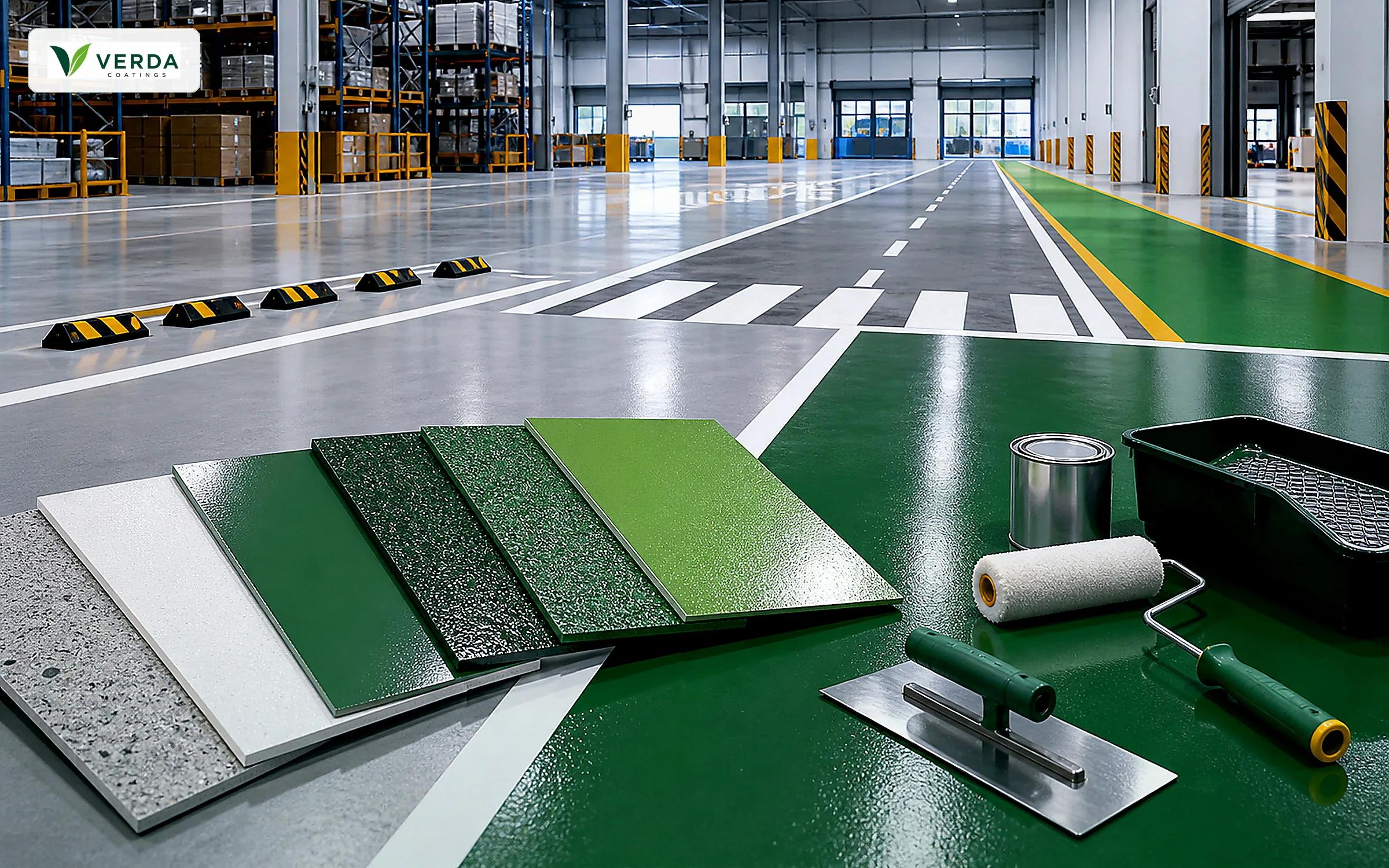
Select the marking system by road surface, traffic load, reopening schedule, color requirement, visibility requirement, and application method.
Center lines, edge lines, lane separation, directional arrows, crosswalk areas, and traffic guidance markings.
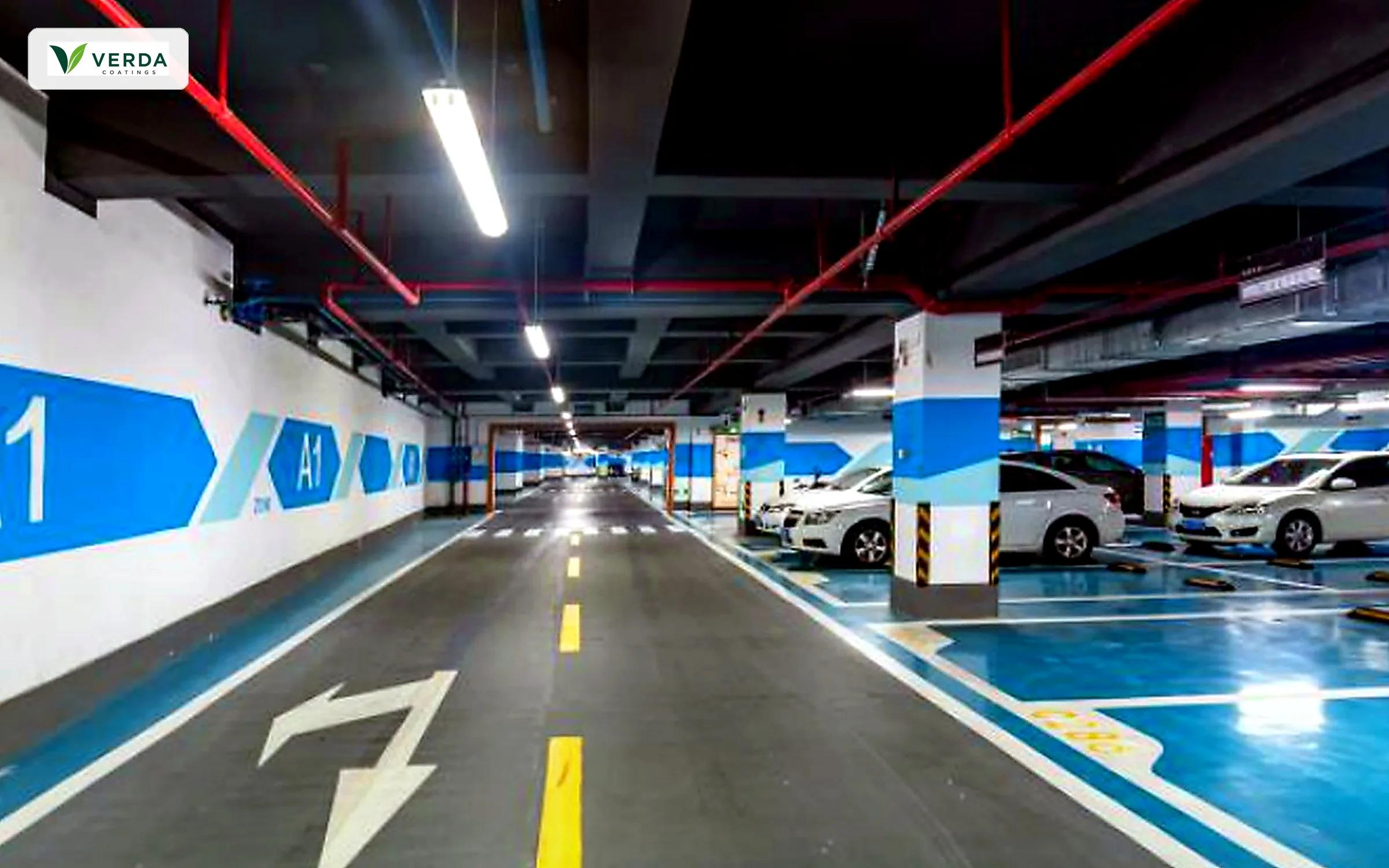
Parking bay lines, arrows, numbering areas, ramps, garage lanes, pedestrian paths, and safety zones.
Factory roads, warehouse passages, forklift routes, loading areas, logistics parks, and internal traffic organization.
Port lanes, yard routes, dock traffic areas, container handling routes, and vehicle circulation markings.
Schools, hospitals, retail areas, business parks, service roads, and high-recognition pedestrian or vehicle guidance.
Guardrails, curbs, barriers, tunnel edges, warning posts, and vertical safety surfaces requiring high visibility.
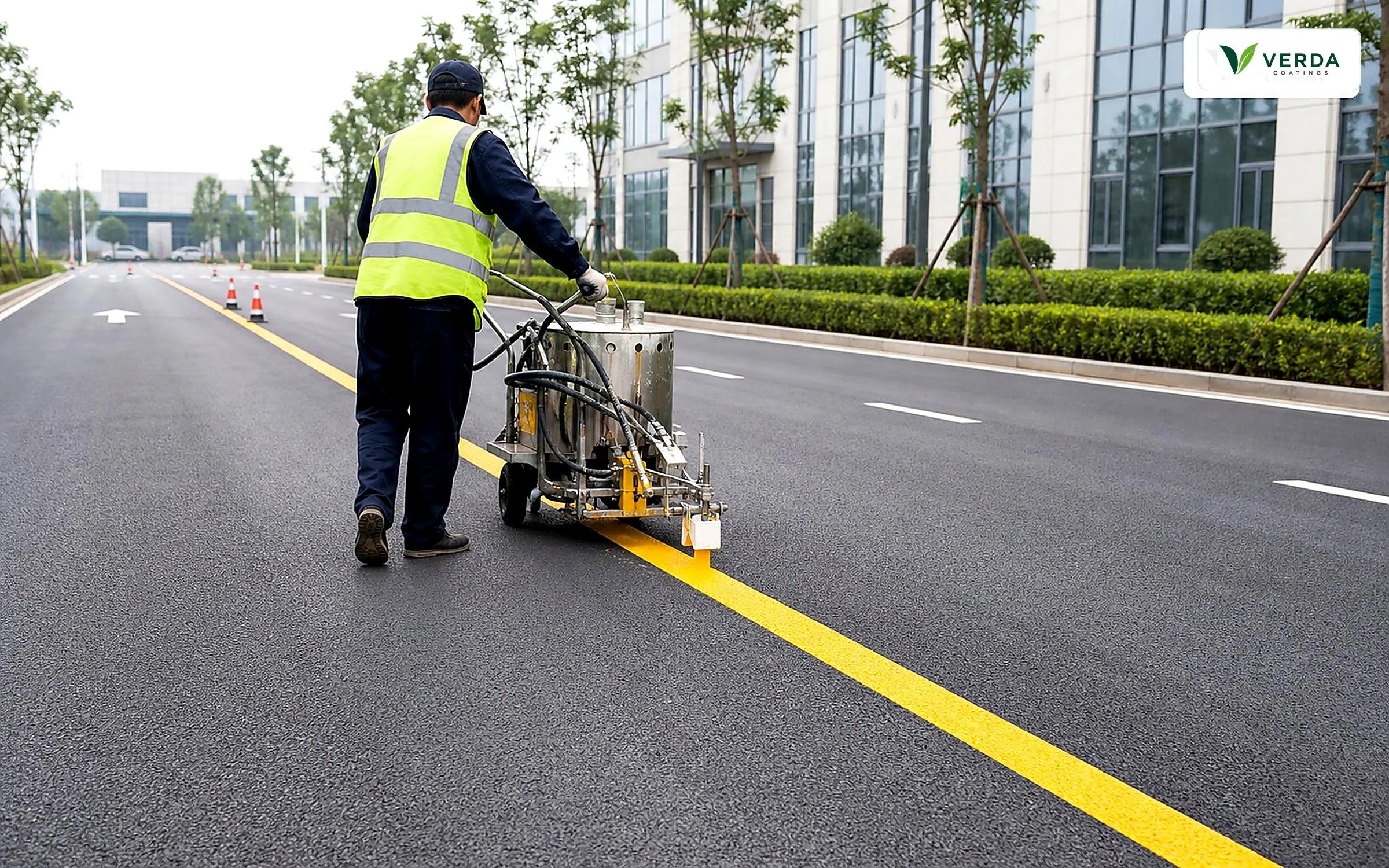
Traffic marking projects often need a balance between fast application, clean line edges, durable recognition, glass bead compatibility, and field conditions such as asphalt bleeding, concrete surface strength, humidity, and road temperature.
Before quotation, confirm the road surface, traffic opening window, target color, line thickness, reflective requirement, application equipment, and weather condition.
Roads, parking lots, ports, and industrial routes may need short closure time and controlled drying before traffic is released.
Asphalt and Portland cement concrete require clean, dry, solid surfaces and suitable preparation before marking.
Vehicle movement, turning, parking, cleaning, and outdoor exposure can influence the marking system and film thickness.
Asphalt surfaces may create discoloration risk, so anti-bleeding performance and surface condition should be reviewed.
Projects requiring night recognition or wet-weather guidance may require glass beads, raised profiles, or reflective marking choices.
White, yellow, red, green, blue, black, and custom colors should match the local traffic marking purpose and project specification.
These pathways organize VERDA traffic marking products around common road, parking, industrial route, and vertical safety marking conditions.
Conventional Marking
For routine road, parking, municipal, and facility marking projects where a conventional line marking coating is specified.
Waterborne Acrylic
Single-component, quick-dry waterborne acrylic marking paint for asphalt and Portland cement concrete road marking.
Two-Component
For screed-applied line marking projects that need a two-component marking pathway and controlled film build.
Two-Component
For raised or vibration marking lines where drivers need tactile warning, lane guidance, or enhanced route recognition.
Two-Component
For spray-applied two-component road marking projects requiring clean edges, production speed, and professional equipment.
Two-Component
For structured marking profiles where visibility, drainage, reflective effect, and line recognition are important.
High Visibility
For visual warning, safety reminder, and high-recognition coating areas where brighter color guidance is required.
Vertical Safety
For vertical traffic safety markings on curbs, barriers, guardrails, tunnel edges, warning areas, and roadside facilities.
Use this workflow to prepare project information before quotation and technical recommendation.
01
Review line type, color, width, thickness, route, traffic control plan, glass bead requirement, and reopening schedule.
02
Check asphalt or concrete condition, old markings, oil, dust, loose particles, surface strength, moisture, and contamination.
03
Remove water, mud, sand, dust, loose coating, and oil. The road surface should be clean, dry, solid, and above the dew point.
04
Stir thoroughly before use. For WTP-RM100, clean water can be used for equipment cleaning and limited viscosity adjustment when needed.
05
Use road marking spray, mechanical spray, or professional marking equipment. Apply reflective glass beads immediately while the film is wet when specified.
06
Protect the marking until it is ready for traffic. Drying depends on temperature, humidity, ventilation, film thickness, and road temperature.
Different substrates require different preparation and product choices. Share site photos, surface age, old marking condition, and expected traffic load before final recommendation.
Asphalt Pavement
Municipal roads, industrial roads, parking routes, logistics parks, and outdoor traffic lanes.
Portland Cement Concrete
Concrete roads, factory passages, parking areas, yards, ramps, and service roads after suitable surface preparation.
Old Marked Surfaces
Existing markings should be checked for adhesion, chalking, peeling, contamination, and compatibility before recoating.
Parking Floors
Garage lanes, parking bay lines, directional arrows, pedestrian paths, safety areas, and numbered zones.
Industrial Routes
Forklift lanes, loading areas, warehouse passages, internal factory roads, and logistics circulation routes.
Port & Yard Areas
Dock routes, container yards, heavy vehicle passages, and managed site traffic markings.
Colored Traffic Surfaces
Greenways, school zones, warning areas, pedestrian areas, cycle lanes, and commercial site guidance surfaces.
Vertical Safety Surfaces
Curbs, barriers, guardrails, tunnel edges, warning posts, and facility surfaces requiring reflective recognition.
Use these scenarios to identify the right traffic marking pathway before requesting samples, quotation, or technical support.
Case Type 01
For parking bay lines, arrows, pedestrian guidance, ramps, and garage traffic organization.
Case Type 02
For lane lines, road edges, arrows, crosswalk-related marking, and fast traffic reopening planning.
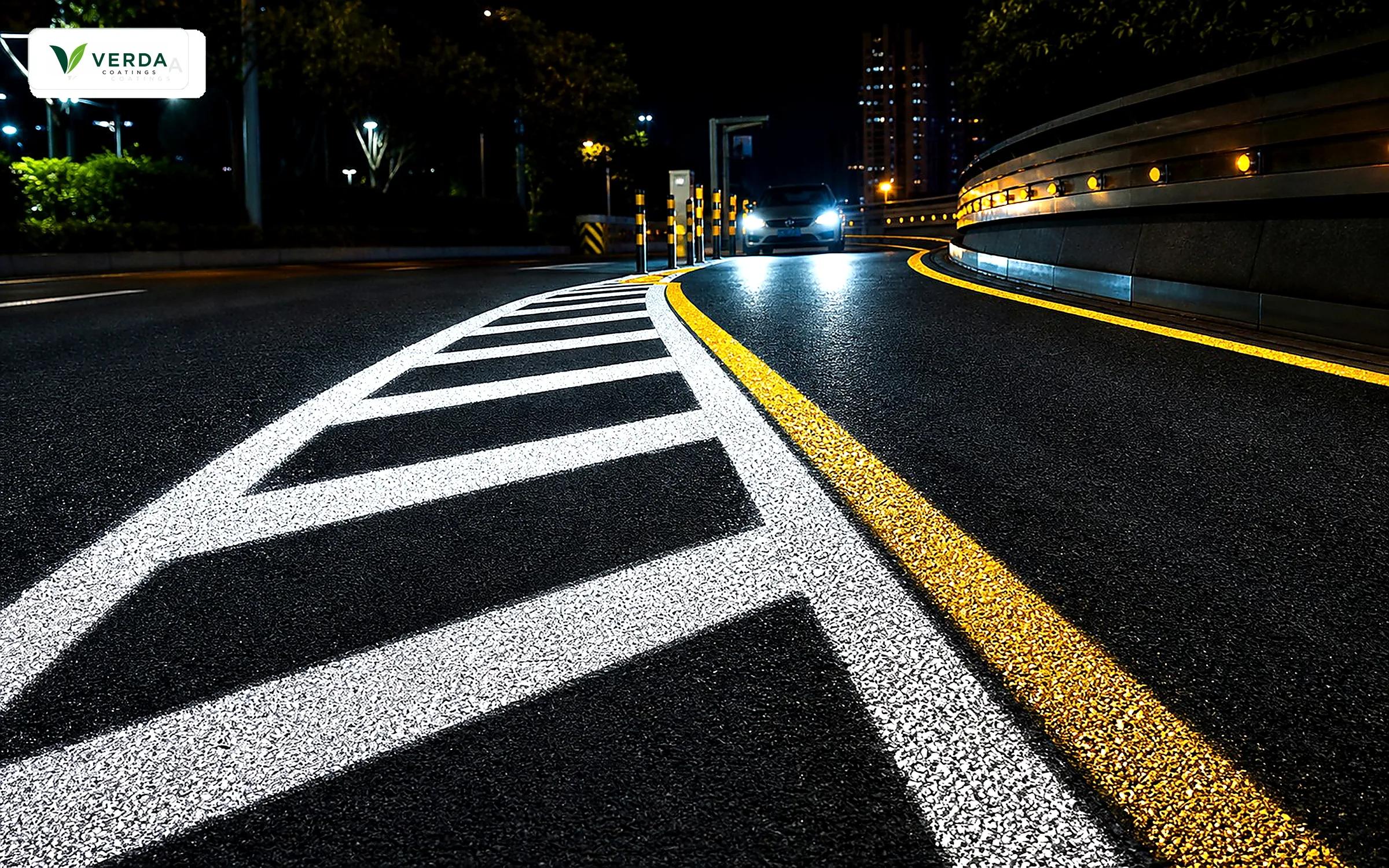
Case Type 03
For routes requiring night recognition, glass bead compatibility, reflective performance, and safety guidance.
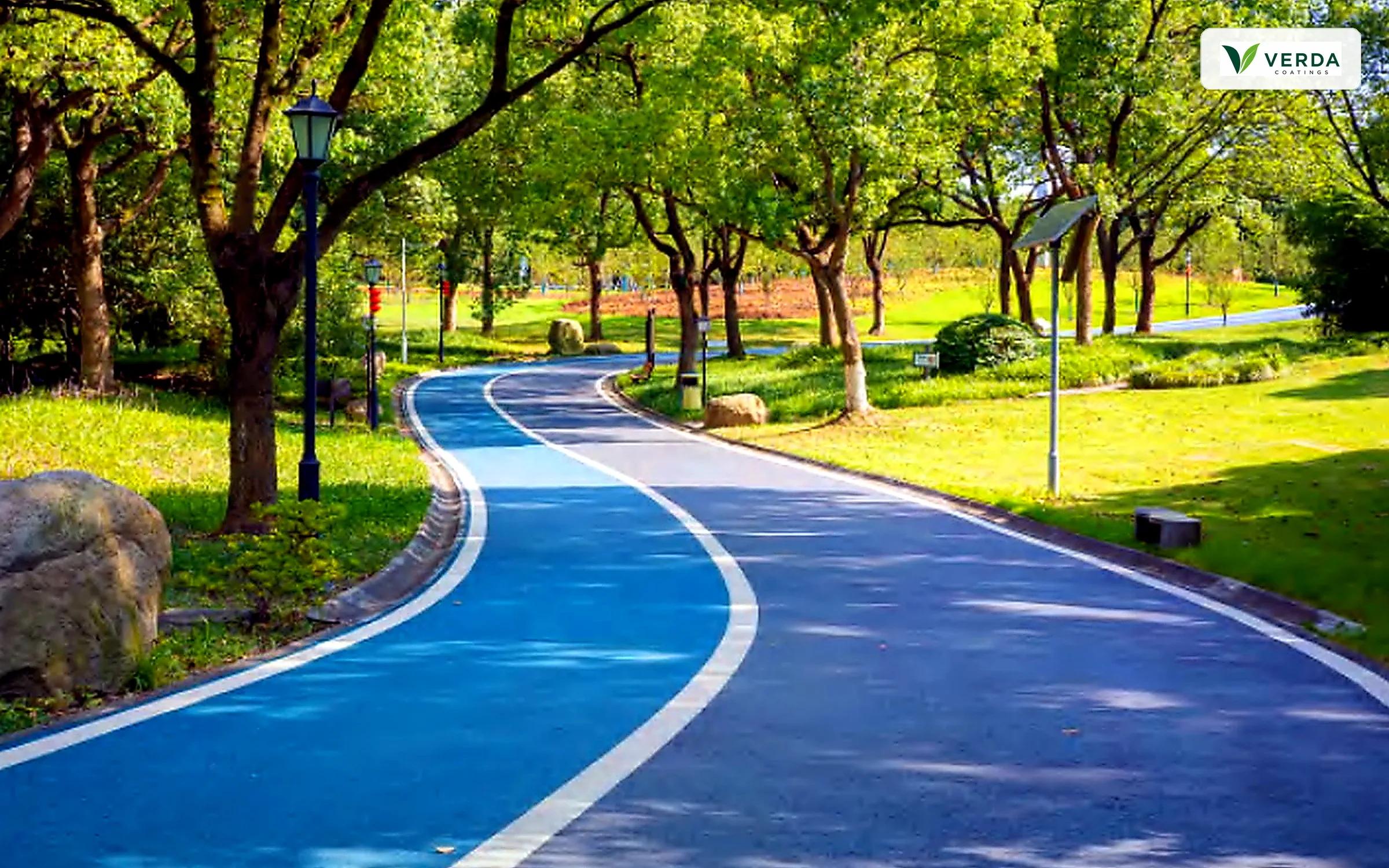
Case Type 04
For greenways, school zones, warning areas, commercial routes, and public site traffic guidance.
Use these names when requesting quotation, samples, color support, packaging discussion, product documents, or OEM/private label support.
Regular
General line marking option for roads, parking areas, municipal routes, and traffic guidance applications.
WTP-RM100
Waterborne, single-component, 100% cross-linked acrylic marking paint for asphalt and Portland cement concrete surfaces. VOC ≤10 g/L, 75-85 KU, no-pick-up dry ≤10 min, 18.93L pail.
2K Screed
Two-component marking pathway for screed-applied line marking and high-build marking work.
2K Vibration
Raised or vibration marking option for tactile warning and enhanced traffic recognition requirements.
2K Spray
Spray-applied two-component option for professional marking equipment and road line projects.
2K Structured
Structured profile marking option for reflective, visible, and specialized traffic marking applications.
Fluorescent
High-recognition coating option for warning, traffic attention, and safety guidance areas.
Vertical
Reflective marking option for curbs, barriers, guardrails, tunnel edges, and vertical safety surfaces.
VERDA supports traffic marking projects with product selection, product materials, samples, branded packaging discussion, and export-ready communication for road, parking, industrial route, and vertical safety marking applications.
Use one project brief for quotation, product recommendation, sample discussion, product documents, or private label follow-up. This helps VERDA respond with a clearer traffic marking pathway.
Country, project type, buyer role, road location, estimated marking area, line width, line color, and expected schedule.
Road, parking lot, garage, industrial route, logistics yard, port, public site, colored surface, or vertical safety marking.
Asphalt, concrete, old marking, parking floor, vertical substrate, contamination, road temperature, humidity, and traffic load.
Distributor supply, contractor purchase, wholesale order, OEM/private label, packaging, sample, and product document requirements.