专业涂料解决方案服务全球合作伙伴
Application Guide

Resources / Application Guide

Application Guide

Plan coating work with clearer surface checks, application methods, site conditions, and handover details before construction begins. This guide helps project buyers prepare the information VERDA needs to recommend a practical application route.

Choose Guidance by Application Area

Select the surface closest to your project. Wall finishes, floor systems, waterproofing, metal protection, traffic markings, and maintenance repainting each require different site details before a coating route can be confirmed.

01
Wall and facade coating guidance
Walls & Facades

Wall and facade coating guidance

For walls, ceilings, facades, public spaces, and decorative areas where appearance, color, weathering, stain resistance, or easier maintenance matters.

02
Floor coating application guidance
Floors

Floor coating application guidance

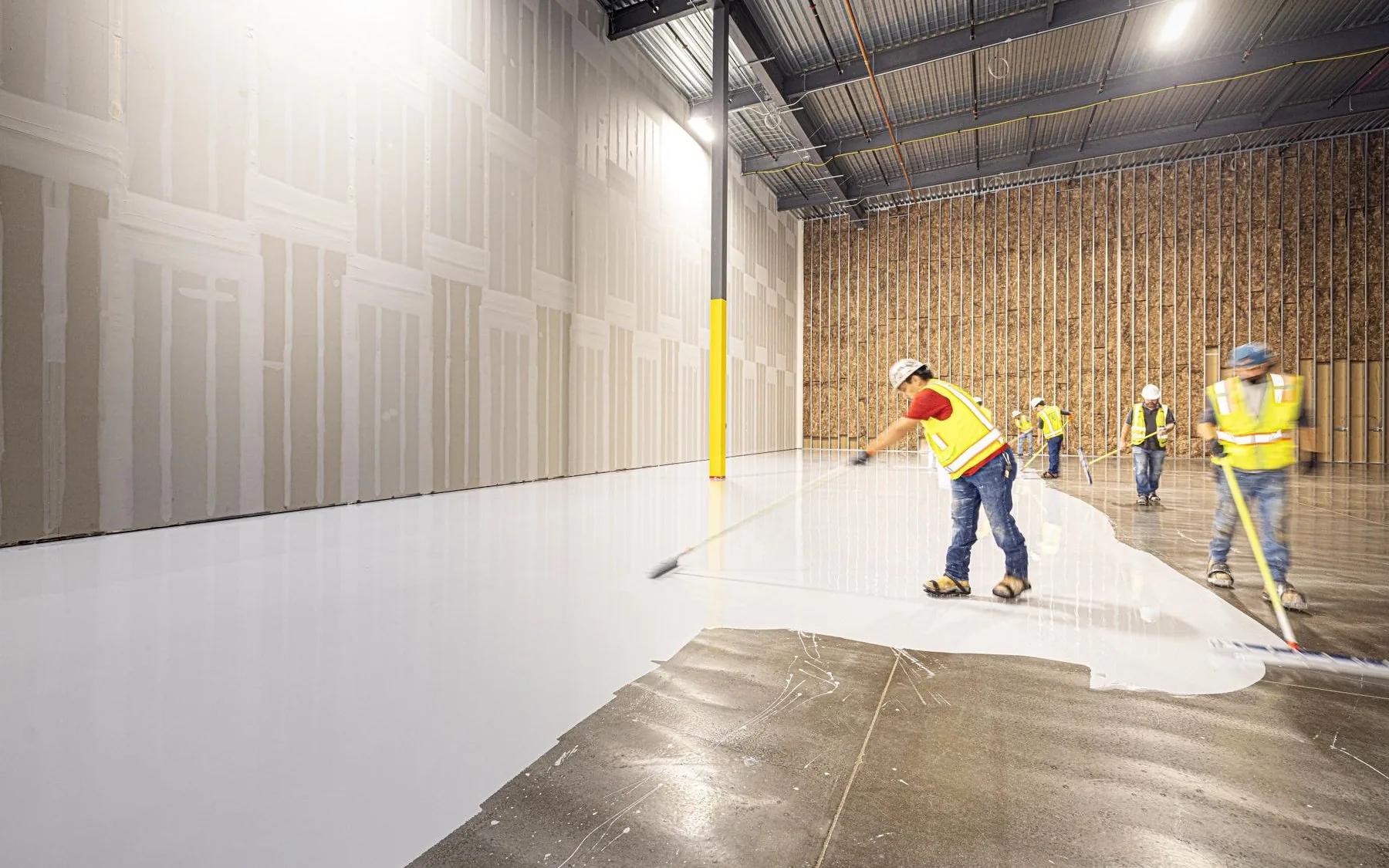
For warehouses, factories, parking areas, workshops, corridors, and commercial floors where load, abrasion, cleaning, and return-to-service timing are important.
03
Waterproofing application guidance
Waterproofing

Waterproofing application guidance

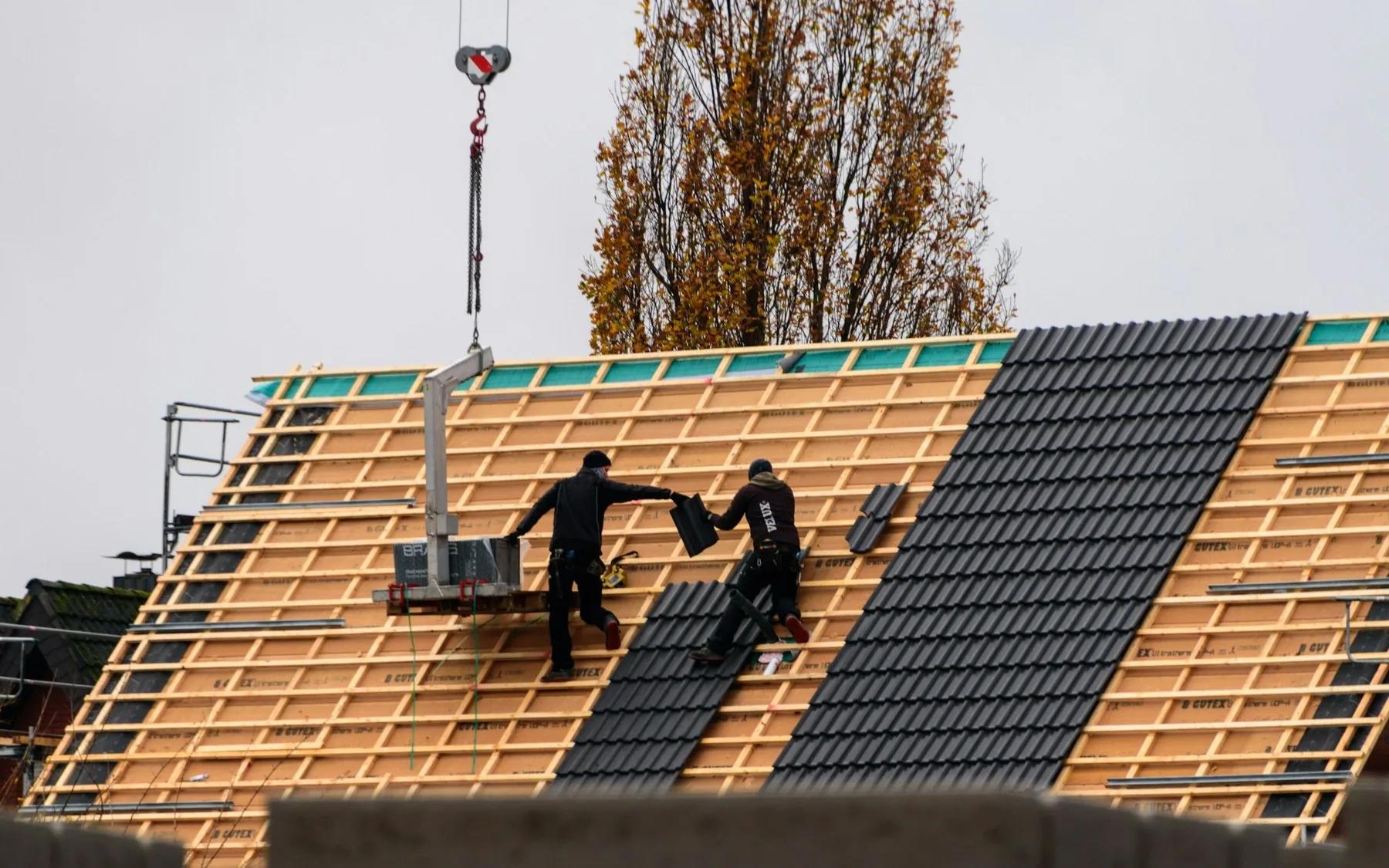
For moisture protection, roof waterproofing, bathroom or balcony treatment, pool area discussion, or repair of leakage-prone areas.

04
Metal protection application guidance
Metal Protection

Metal protection application guidance

For steel structures, machinery, tanks, pipes, work platforms, transport equipment, and maintenance repainting where corrosion or chemical exposure is a concern.
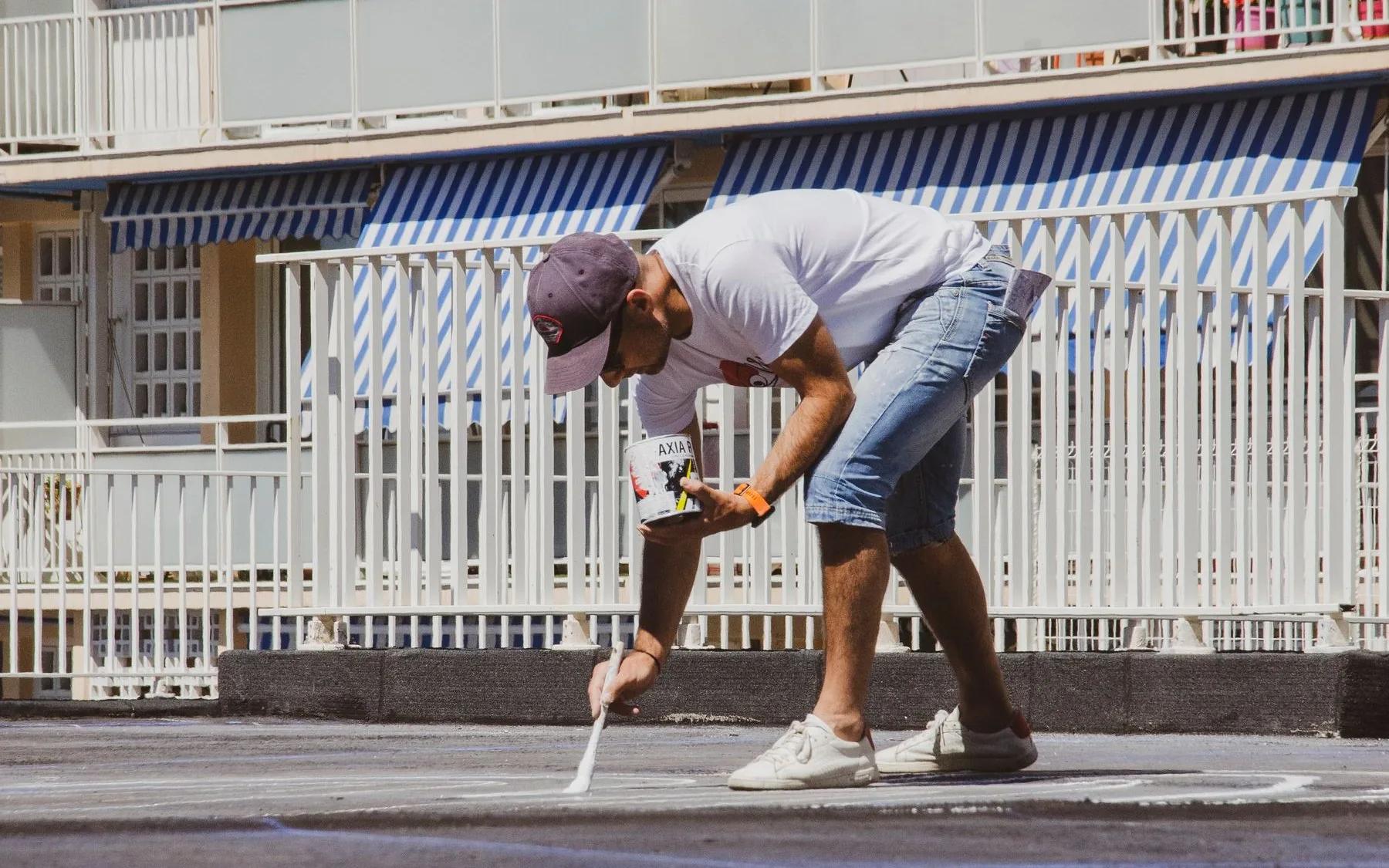
05
Traffic marking application guidance
Traffic Marking

Traffic marking application guidance

For parking lines, traffic markings, directional arrows, safety zones, and road surfaces where visibility, drying speed, and traffic return matter.

06
Maintenance and repainting guidance
Maintenance

Maintenance and repainting guidance

For repainting, localized repair, facility maintenance, color refresh, and phased work where the existing coating condition affects the next step.

From Surface Check to Handover

A clear application discussion usually moves from surface review to system selection, method planning, curing control, and handover records. Following this sequence helps avoid preventable site questions.

Metal protection application environmentTraffic marking application area01
Define the project area

Clarify the application area, surface type, exposure, performance goal, and decision stage before discussing products.

02

Review the surface condition

Check dryness, strength, cracks, contamination, old coating layers, rust, roughness, and repair needs.

03

Choose the system route

Match primer, build layer, functional layer, and finish coat to the surface and expected service condition.

04

Confirm the application method

Align roller, brush, spray, trowel, squeegee, line marking, or other tools with the available construction window.

05

Plan curing and return to service

Allow suitable curing time before traffic, cleaning, water exposure, immersion, or full service conditions.

06

Keep handover records

Keep approved samples, batch references, cleaning guidance, touch-up material, and maintenance expectations clear.

Site Conditions That Affect Application

The right coating system still needs the right application conditions. Confirming these items early helps buyers, contractors, and distributors align product choice with the real jobsite.

Surface preparation

Cleaning, grinding, sanding, blasting, rust removal, repair, and moisture checks should match the selected coating route.

Temperature and humidity

Application temperature, surface temperature, humidity, dew point, rain risk, and ventilation can change the work window.

Mixing and pot life

Two-component products should be mixed according to the stated ratio and used within the available pot life.

Film thickness

Wet film and dry film thickness affect coverage, protection, appearance, curing, and long-term performance.

Tools and crew

Brush, roller, airless spray, spray gun, trowel, squeegee, or marking equipment should match the product and finish target.

Area closure

Traffic control, dust control, access route, ventilation, and phased construction planning reduce avoidable site problems.

Color and sample approval

Color, gloss, texture, anti-slip feel, and sample board approval should be confirmed before bulk application.

Inspection and records

Photos, batch references, application date, weather, surface preparation, and final approval notes help future maintenance.

What to Confirm Before Handover

Before the coated area is released for use, align curing time, cleaning method, touch-up material, retained samples, and maintenance expectations so the project can be managed after completion.

Cleaning and maintenance before project handover

Confirm when the surface can accept foot traffic, vehicles, cleaning, water exposure, or full service use.

Cleaning method

Agree on cleaning chemicals, tools, frequency, and restrictions before the coated area enters daily use.

Touch-up material

Keep the correct product, color, batch reference, and repair method available for future localized work.

Approved sample

Retain the approved color sample, sample board, or mock-up reference when appearance matters commercially.

Maintenance cycle

Plan inspection, cleaning, repainting, waterproofing review, or line refreshing according to the service environment.

Document pack

Keep the relevant catalog, TDS, SDS, application note, and approval file together for future project reference.

Prepare a Clear Application Inquiry

Send these details when you need application guidance, document support, samples, or product-route discussion from VERDA.

Application inquiry document checklist

Application area: wall, floor, roof, wet area, steel, road marking, equipment, or maintenance repair

  • Substrate type, age, strength, moisture, cracks, rust, contamination, or old coating condition
  • Indoor or outdoor exposure, UV, rain, water immersion, chemical contact, temperature, and cleaning method
  • Performance and method

Traffic level, load, abrasion, anti-slip need, hygiene need, or return-to-service timing

  • Target finish: color, gloss, texture, transparency, anti-slip feel, or decorative effect
  • Preferred application method: brush, roller, spray, trowel, squeegee, or line marking equipment
  • Available construction window, site temperature, humidity, ventilation, and weather limitations
  • Documents and timing

Required documents: catalog, TDS, SDS, certificates, application notes, or project approval file

  • Sample need: color card, wet sample, dry sample, sample board, mock-up, or retained approval sample
  • Photos, drawings, estimated area, thickness target, packing size, and delivery or quotation timing
  • Confirm the application checklist before requesting project support.