Resources / FAQ
Frequently Asked Questions
Answers that help you request documents, compare coatings, prepare samples, discuss distributor or OEM cooperation, and send project details with confidence.
Documents & Downloads
Yes. Available catalog PDFs can be downloaded from the Product Catalogs page. Use the catalog that matches your application area, then contact VERDA for samples, TDS, SDS, quotation, or product-route support.
Yes. Uploaded TDS and SDS PDF files can be downloaded from the TDS & SDS Download Center. Only files currently available in the document library are listed.
Not every product document is uploaded publicly. Additional TDS, SDS, product introductions, or application notes can be requested when the product name, application area, and project context are clear.
Language support can be reviewed through sales. Availability depends on the product, market, document type, and current document version.
Yes. Share the product names or product categories together so the team can review the full document package and avoid incomplete follow-up.
Yes. Product documents may be updated when formulas, packaging, test data, application guidance, or market requirements change. Always use the latest file supplied by VERDA for current discussions.
VERDA can support selected product documents for tender review, internal approval, project discussion, or distributor presentation when the product route and required document list are clear.
No. Catalogs help buyers understand product families and applications. TDS files provide more specific technical information, and SDS files focus on safety and handling information.
Yes. For serious inquiries, VERDA can help prepare a practical document pack that may include catalog pages, TDS, SDS, color information, sample notes, and basic product introduction.
Documents can support communication, but local compliance, registration, translation, certification, and project approval requirements must be checked by the buyer or local partner.
Product Selection
Start from the application: architectural coatings for walls, waterproofing coatings for roofs and wet areas, floor and traffic coatings for factories, warehouses, roads, and parking areas, and industrial protective paints for metal or high-temperature environments.
Yes. VERDA can review the project type, surface, exposure, area, expected use, and document needs before discussing a product route. Final suitability still depends on local site conditions and application control.
Yes. One inquiry can cover walls, facades, waterproof repair, parking floors, traffic markings, railings, gates, metal assets, and service spaces when the areas are described clearly.
Send the project type, application area, substrate, surface condition, estimated area, location or market, required documents, expected timeline, and available site photos.
Start with exterior architectural coating options and share the wall substrate, climate exposure, desired finish, color direction, and whether the project is new construction or repainting.
Start with waterproof coating options and describe the area, water exposure, crack condition, substrate, existing coating, drainage condition, and whether the work is repair or new application.
Start with floor and traffic coating options. VERDA needs to know traffic load, surface condition, chemical exposure, expected finish, anti-slip needs, line marking needs, and work schedule.
Start with industrial protective paint options and share the metal type, corrosion level, service environment, temperature exposure, primer requirement, and expected maintenance cycle.
Yes. Share the two product names or target performances and VERDA can help compare intended application, document availability, sample needs, and inquiry next steps.
Primer needs depend on substrate, surface condition, coating system, and project requirements. Do not assume primer can be skipped without checking the surface and product route.
Samples, Colors & Promotional Materials
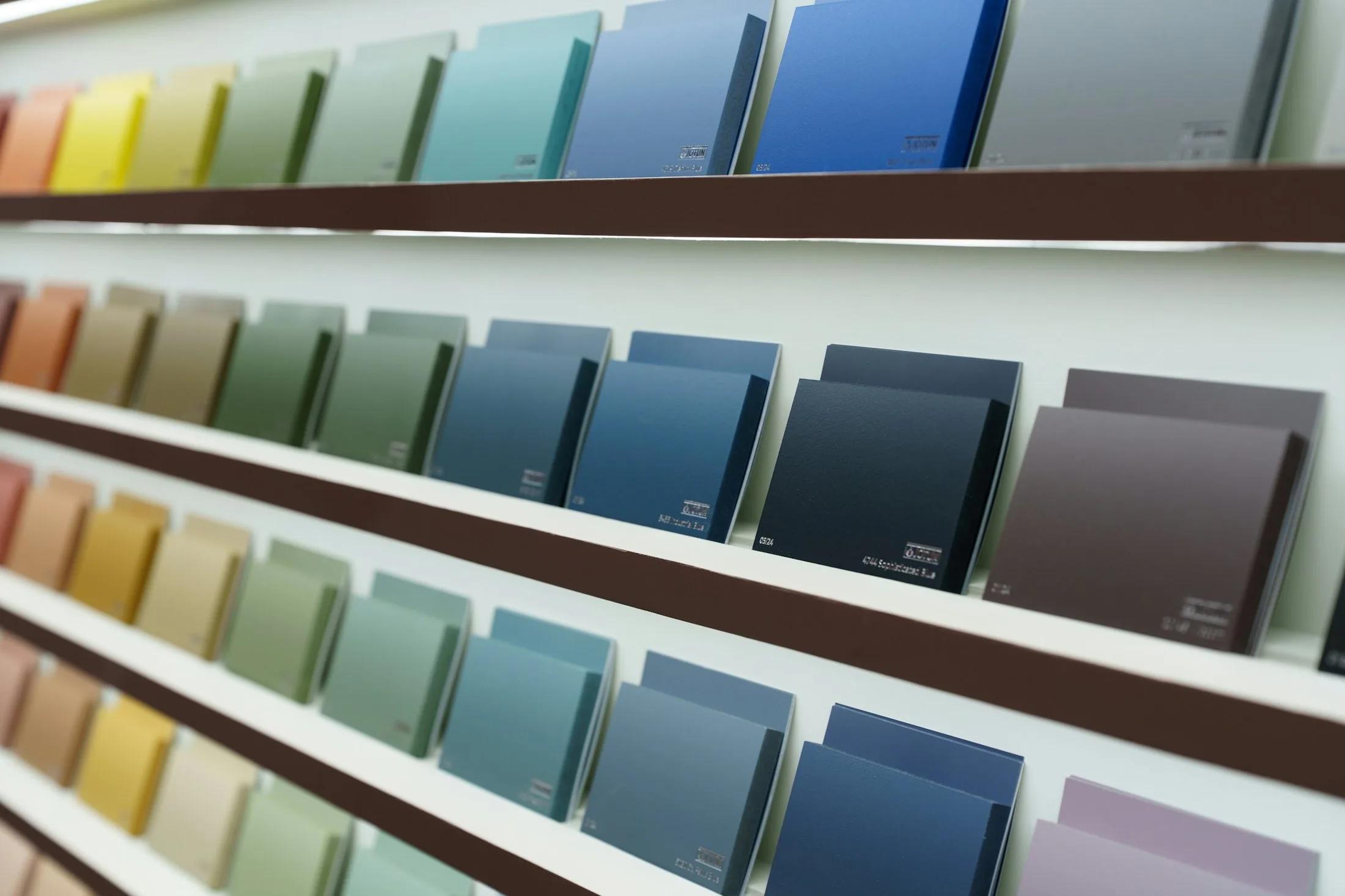
Yes. Color cards, sample boards, finish references, and product samples can be discussed based on product category, project stage, market, and practical supply conditions.
No. Digital color is only a reference. Physical samples or mock-ups should be reviewed under actual lighting, substrate, and project conditions before final approval.
Yes. Available promotional materials can support distributor introduction, customer meetings, and early product or system communication.
Localized language, co-branding, or market-specific adaptation can be reviewed based on the material type, cooperation stage, and intended use.
Yes. Sample discussion is normal for distributors, contractors, OEM buyers, and project customers. Availability depends on product category, destination, project stage, and sample purpose.
Color matching can be discussed when a physical reference, color code, project requirement, finish type, and product category are provided. Final confirmation should rely on physical samples.
Finish options depend on the product category and formula route. Share the desired look, application area, and durability expectation before assuming a finish is available.
Color may shift because of printing, screen display, lighting, substrate texture, film thickness, and viewing angle. Physical sample review is the safer approval step.
Available materials can support local sales conversations, but final use should respect VERDA brand guidance, product accuracy, and any agreed distributor or OEM terms.
Packaging references can be discussed for distributor, OEM, and private label projects after product category, package size, market, and cooperation stage are clear.
Distributor, OEM & Cooperation
The distributor path is for paint and building-material distributors, wholesalers, regional suppliers, importers, and project-focused dealers building VERDA categories in their local markets.
Yes. Samples, catalogs, technical documents, color cards, and packaging information can be discussed after your application or project context is reviewed.
Yes. OEM and Private Label support can be discussed for suitable product categories, packaging requirements, market plans, color needs, and order volumes.
No. MOQ and lead time depend on formula, packaging, label preparation, order plan, production schedule, document needs, and shipment requirements.
The VERDA sales team reviews your company, market, product interest, target customers, and expected support, then contacts you to discuss the next cooperation step.
Include your company profile, country or region, current customer channels, product categories of interest, annual plan if available, required support, and whether you need samples or documents first.
Exclusive cooperation can only be reviewed after market fit, product plan, order capability, sales coverage, and cooperation history are understood. It should not be assumed at first contact.
Display support can be discussed for active partners. Practical support may include color cards, sample boards, product brochures, packaging references, or digital presentation materials.
Private label packaging discussion can include package size, label language, brand placement, product category, market requirements, and production feasibility.
Formula direction can be discussed for suitable projects, but feasibility depends on performance target, raw material route, testing needs, order plan, and production control.
Shipment discussion can be included after product, order quantity, packaging, destination, and document needs are clear. Shipping terms should be confirmed with sales during quotation.
Project & Technical Support
Yes. VERDA can discuss product categories, color direction, sample planning, and document preparation before final material ordering starts.
Product information, TDS, SDS, application notes, and related support materials can be prepared for selected product routes when project context is clear.
Yes. VERDA can provide product-route and document support for professional discussion. Local application method, site inspection, substrate preparation, and quality control remain the responsibility of the project-side team.
Yes. Maintenance repainting, waterproof repair, parking-area renewal, metal maintenance, and staged supply can be reviewed when the surface condition and work scope are visible.
Yes. VERDA can discuss coating categories, document packs, color references, sample planning, and staged supply for commercial, institutional, and industrial projects.
VERDA can support early product and coverage discussion, but final quantity depends on substrate absorption, surface condition, application method, film thickness, wastage, and local site control.
For serious projects, VERDA can support product-route and document discussions with contractors, distributors, or project decision makers when the scope is clearly prepared.
Staged delivery can be reviewed after order plan, site schedule, product availability, packaging, destination, and payment or logistics terms are discussed with sales.
VERDA can discuss a product route, but a complete system decision must consider local substrate inspection, environmental conditions, application control, standards, and project approval requirements.
Useful photos show the full area, close-up surface condition, cracks or defects, water exposure, existing coating, surrounding environment, and any areas with special traffic or chemical exposure.
Responsible Boundaries
No. VERDA supports product communication and document preparation, but local site inspection, compliance review, substrate approval, application supervision, and acceptance remain local responsibilities.
No. A responsible recommendation needs product category, substrate, exposure, surface condition, application method, area, environment, and local requirements.
A better brief prevents the wrong document, sample, or product route from being sent. Serious buyers should provide enough context for a useful response.
No. Documents describe product information and guidance, but final performance depends on product choice, surface preparation, application method, environment, film thickness, curing, and site control.
The buyer, importer, distributor, contractor, or project-side professional must check local regulations, testing, certification, registration, and acceptance requirements.
No. Photos help early communication, but substrate approval needs local inspection and professional judgment. Photos should not replace site evaluation.
Application quality is controlled by the project-side team, including surface preparation, mixing, tools, film thickness, weather control, curing, and inspection.
A fixed answer without project context can mislead buyers. VERDA's role is to support a responsible product and document discussion, not to guess site conditions.