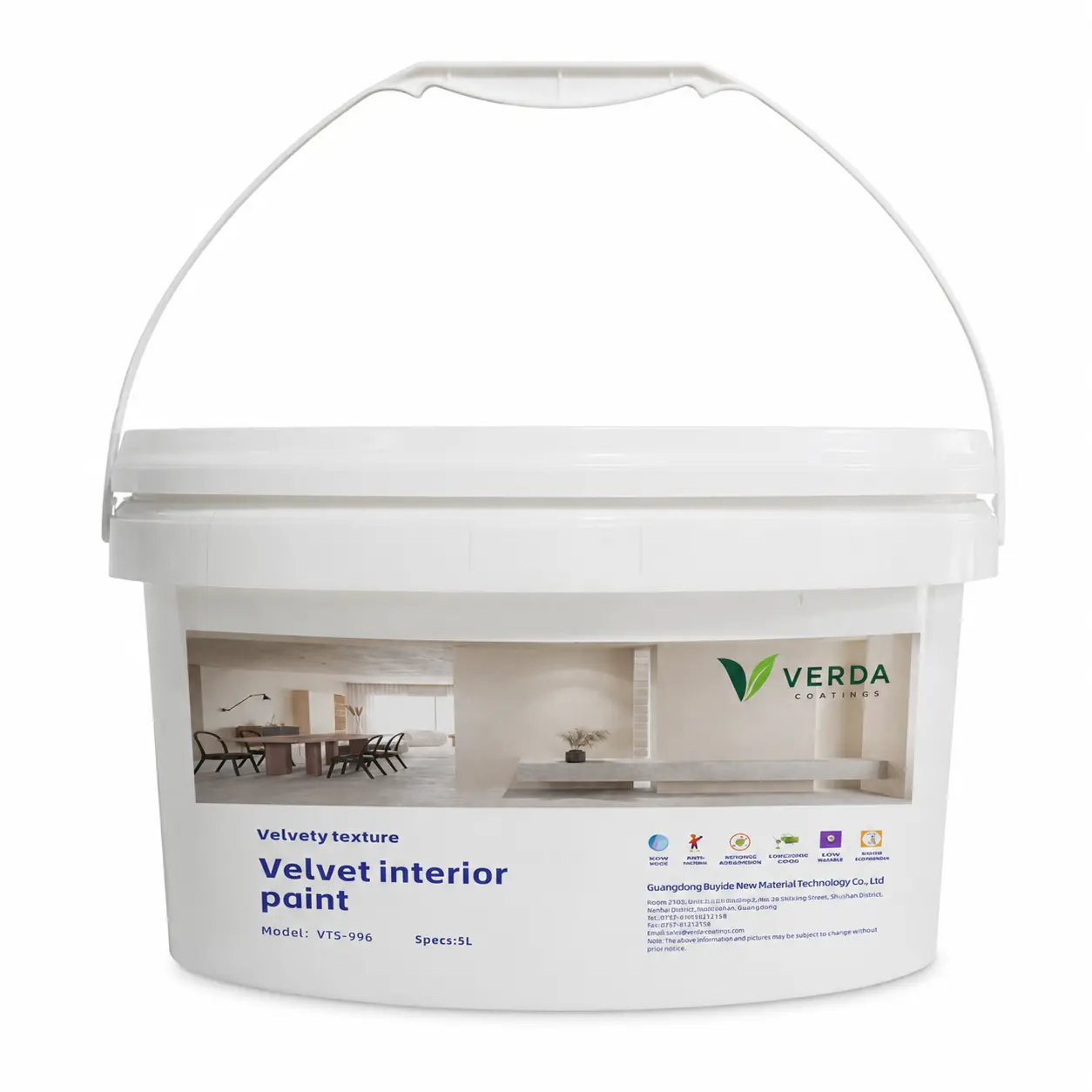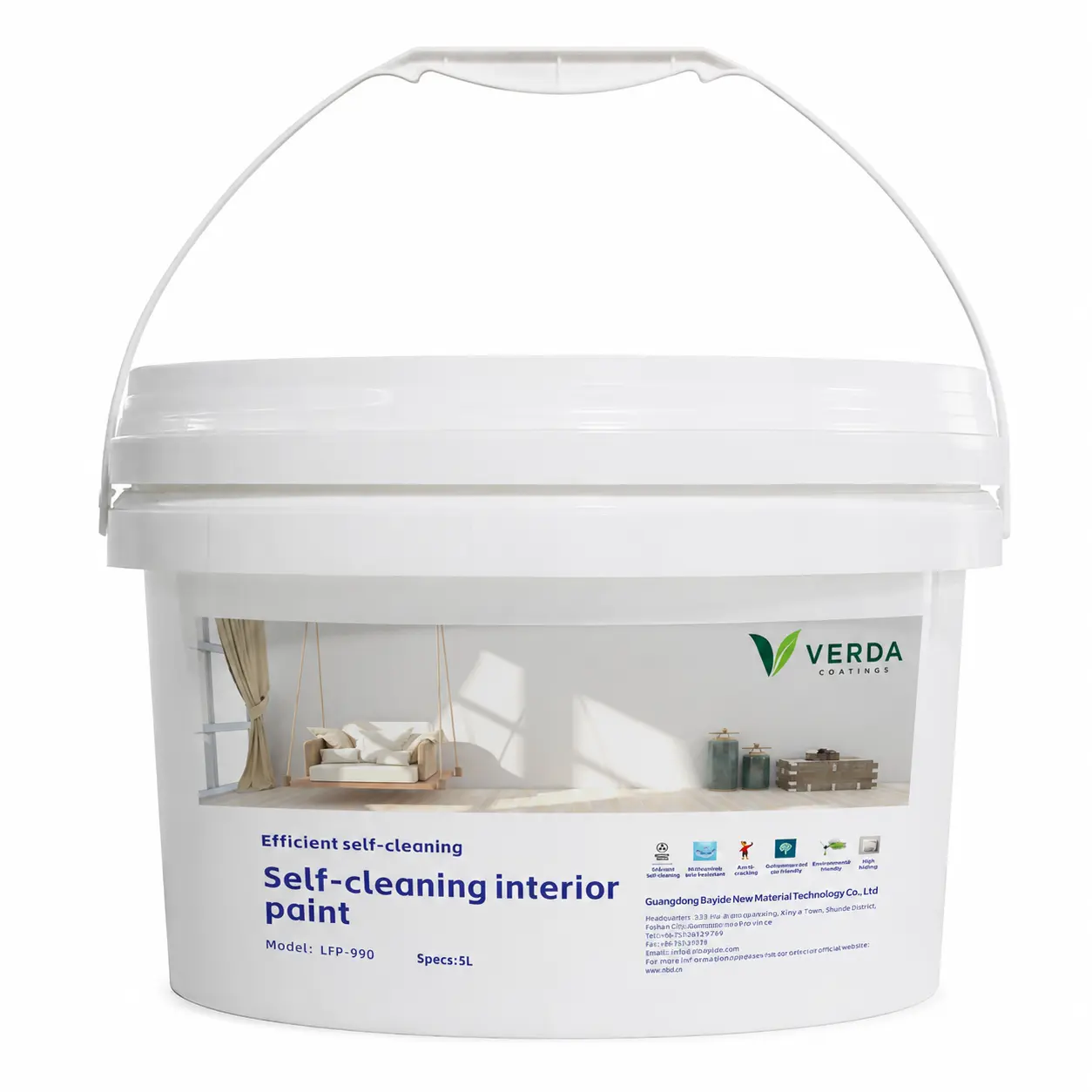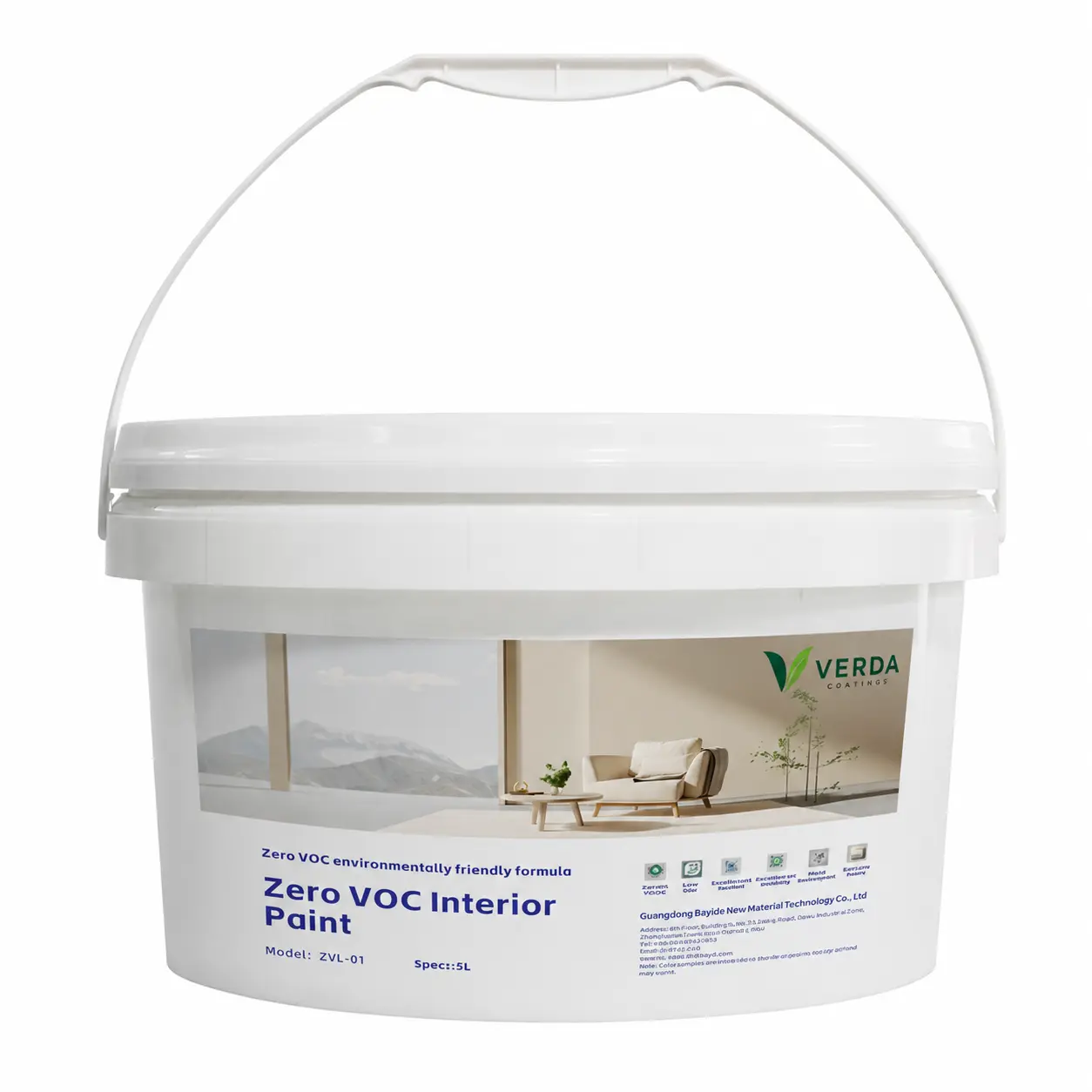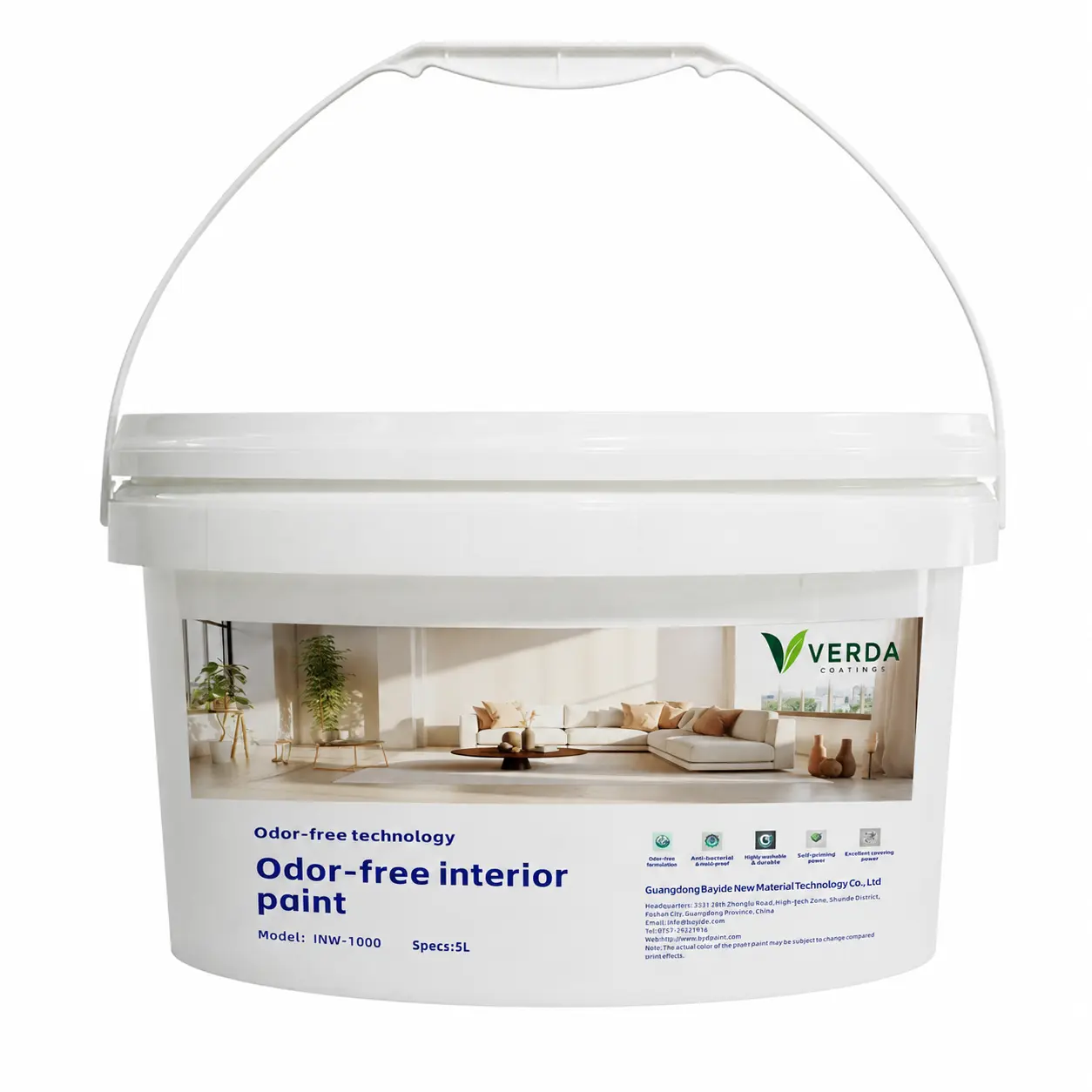
What buyers really mean when they search for an interior wall paint manufacturer
When procurement teams, contractors, or private-label brands look for an interior wall paint manufacturer, they are usually not chasing a generic paint listing. They are trying to solve a more practical problem: how to source a dependable interior coating that fits the target space, the application method, the packaging format, and the brand story without creating quality headaches later. That matters even more when the paint is meant for children’s rooms, nurseries, schools, or other occupied interiors where appearance, odor, and product claims all carry weight.
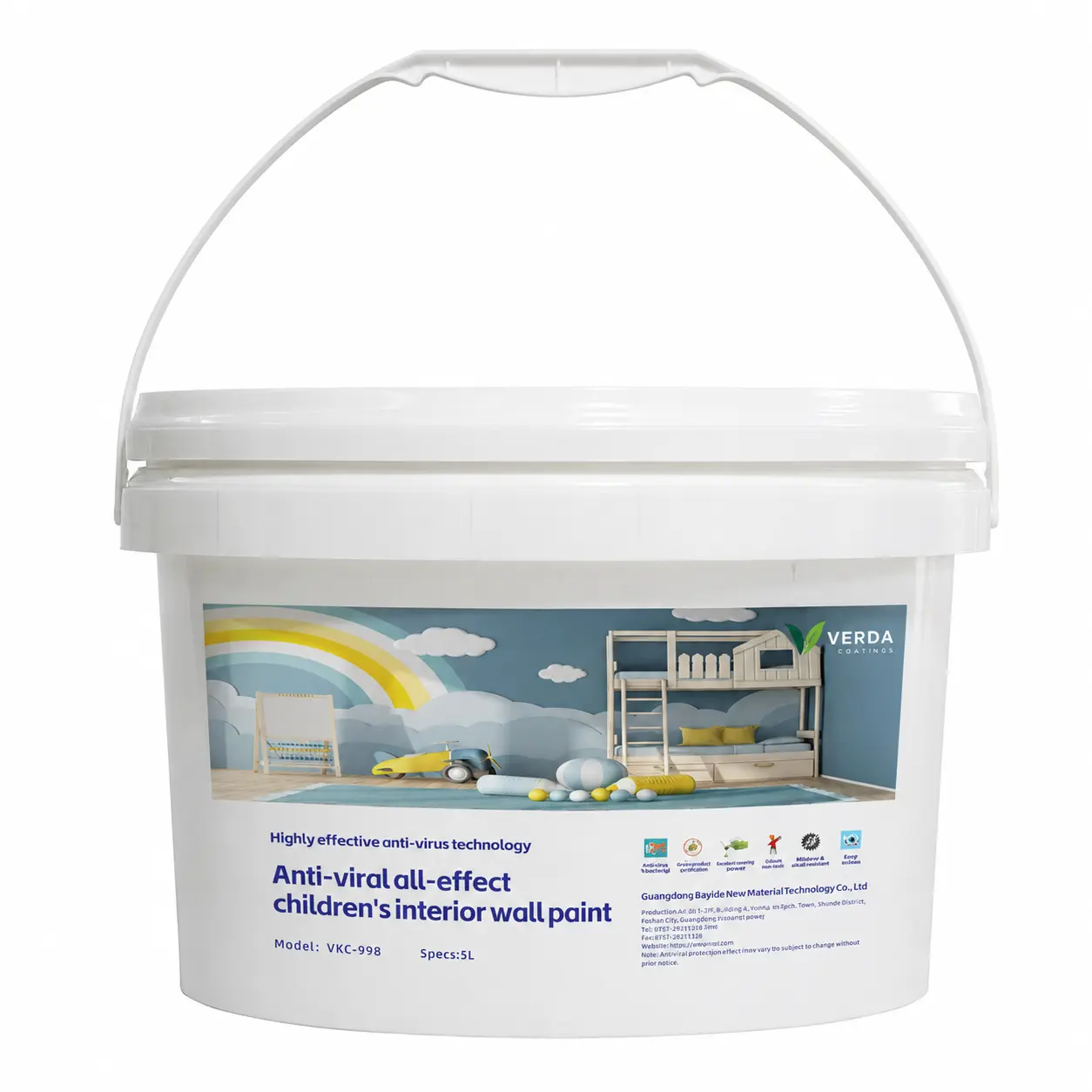
The label details matter here. A product like VERDA Coatings VKC-998, marked as “Anti-viral all-effect children’s interior wall paint” in a 5L plastic pail, immediately tells a buyer a few things: this is positioned as a decorative interior coating, it is sold in a practical mid-size pack, and it is aimed at a sensitive end-use segment. What the label does not tell you is just as important. It does not prove the exact resin system, sheen, VOC level, drying profile, or whether the anti-viral claim has been independently verified. A serious sourcing decision has to sit with both the printed claim and the missing technical data.
Why interior wall paint sourcing is different from buying ordinary paint
Interior wall paint sounds straightforward until you start matching the product to a real project. A developer may need a paint that can be packaged for retail. A school contractor may care more about odor control and cleanability. A private-label brand may want consistent pail packaging and stable labeling. These are not identical buying problems, even if the product category is the same.
A good interior wall paint supplier should be able to answer questions beyond color and price. For example: Is the system water-based or something else? Can it support OEM or private-label packaging? Is the product positioned for broad residential interiors or for higher-sensitivity spaces like children’s rooms? Does the factory have a stable filling process for pails and buckets? Can the label claims be supported with documentation if the buyer needs to market the product internationally? Those are the details that separate a useful supplier from a merely convenient one.
In practice, buyers often discover that the “paint” itself is only part of the purchase. The package format, label compliance, shipping protection, and product positioning can be just as influential in whether the project succeeds.
Quick-reference view: what a 5L children’s interior wall paint usually signals
A 5L pail sits in a useful middle ground. It is large enough for project work and small-scale retail, but not so large that handling becomes awkward for end users. The plastic bucket format also makes sense for distribution because it is relatively robust and easy to stack compared with many alternative packages.
For a children’s interior paint, buyers generally read the product as aiming at a few priorities:
1. Indoor decorative use
The primary function is usually wall finishing, not industrial protection. That means appearance, consistency, and application behavior matter immediately.
2. Sensitive-space positioning
Children’s rooms, daycares, and similar interiors tend to increase scrutiny around odor, emissions, and safety communication. Even when a seller uses terms such as anti-viral or antimicrobial, buyers should ask what those terms actually mean in the product’s documentation.
3. Project-friendly packaging
A 5L round pail with a snap-on lid and carry handle is a practical packaging choice for many indoor finishing jobs. It suggests convenience for transport, storage, and field use.
What the VERDA VKC-998 label tells you—and what it doesn’t
The visible product information is useful, but it needs to be handled carefully. The brand shown is VERDA Coatings. The model is VKC-998. The pack size is 5L. The label wording includes “Anti-viral all-effect children’s interior wall paint.” Those are all concrete data points, and they are exactly the kind of things a sourcing manager should verify before moving a product into a catalog or project spec.
What is not visible should not be guessed. The finish could be matte, low-sheen, or something else, but that cannot be confirmed from the packaging alone. The same caution applies to coverage rate, scrub resistance, stain resistance, drying time, and VOC content. Those are important purchasing details, yet they need technical sheets, test reports, or factory documentation—not assumptions based on label language.
A cautious buyer should also separate marketing language from performance claims. Terms like anti-viral and all-effect can be compelling on a label, but they are not a substitute for verifiable evidence. If you are sourcing for a project with compliance requirements, ask whether the claim is tied to a specific test method, region, or standard. If the supplier cannot explain it clearly, treat the claim as promotional until proven otherwise.
How to evaluate an interior wall paint supplier before you commit
The right interior wall paint supplier should help you reduce uncertainty, not increase it. A few checks usually tell you a lot.
First, ask whether the factory can support the package format you need. In this case, a plastic pail or bucket with a snap-on lid and carry handle is straightforward, but pack integrity still matters. A poor fill line, weak closure, or inconsistent label placement can create complaints long before the coating performance is even tested.
Second, ask for the technical basics in writing. Not all buyers need the same depth of detail, but the factory should be able to provide product data for the exact SKU, not just a generic wall-paint brochure. If the product is intended for children’s rooms or schools, the documentation burden usually rises rather quickly.
Third, verify whether the supplier offers OEM or private-label support. Many buyers searching for a bulk interior paint supplier are really looking for a manufacturing partner that can support their own branding, packaging, and market-specific compliance needs. If that is your goal, the conversation should start early. It is much easier to align on labels and carton art before production than to rework them after filling.
Fourth, compare how the factory talks about application and end use. A serious supplier will usually distinguish between residential interiors, commercial interiors, and specialty spaces. If every use case gets the same one-line answer, that is usually a sign that the supplier’s support is thin.
Common buyer mistakes when sourcing interior wall paint
The first mistake is treating all interior coatings as interchangeable. They are not. A product intended for a child’s bedroom may need different communication, handling, or odor expectations than a standard rental-property wall paint.
The second mistake is overreading a label. A phrase like “anti-viral” sounds precise, but without the supporting method and scope, it may only describe a marketing position. Buyers who skip the documentation step often discover the limits later, sometimes after the order is already in transit.
The third mistake is ignoring the packaging reality. A 5L pail is practical, but the lid seal, handle strength, and label durability still matter. This sounds minor until a pallet of product arrives scuffed, leaking, or unreadable.
The fourth mistake is choosing only on unit price. For wall paint, especially in branded or project settings, the hidden costs are often tied to inconsistency, rework, customer complaints, and wasted labor. A slightly higher-cost supplier can be cheaper in the field if the product is stable and the paperwork is clean.
Practical advice for project teams and private-label buyers
If you are managing a renovation, retail launch, or contract supply program, start with the end use. Children’s spaces are not the same as standard hallways or offices. Ask whether the product positioning matches the actual environment. Then ask whether the manufacturer can back up that positioning with the right documents.
For private-label buyers, the visual side matters more than many sourcing teams expect. The label language, pail format, and model coding should be consistent across the product line. If the brand wants to look credible, the packaging should not feel improvised.
For project buyers, consistency is the central issue. A coating that looks fine in a sample may behave differently across batches if the manufacturing process is not controlled. This is why it helps to treat the supplier as a production partner rather than a one-time vendor.
FAQ: common questions buyers ask
Is this product definitely water-based?
Not from the label alone. The company scope suggests coating products in both water-based and solvent-based categories may exist, but the exact system for VKC-998 is not clearly stated on the visible label.
Can I assume the anti-viral claim is certified?
No. That should be verified directly with the supplier. Do not assume independent testing or certification unless it is explicitly provided.
Is the 5L pail suitable for retail?
Often yes, especially for household and project use. But suitability depends on your market, labeling requirements, and shelf presentation.
What should I request before placing a bulk order?
Ask for the technical data sheet, product composition summary where available, packaging spec, labeling artwork guidance, and any claim support documents tied to the exact SKU.
A sensible next step for buyers
If you are evaluating an interior wall paint manufacturer for children’s-room or project-based use, begin with the exact product data rather than the marketing headline. For a SKU like VERDA VKC-998, the visible details are a useful starting point: 5L pack size, pail packaging, and a children’s interior positioning. From there, the real job is to verify what sits behind the label.
That is the part that protects your brand, your schedule, and your customer relationship. Ask for the technical file, confirm the claim support, and make the supplier show how the product fits your actual use case. If the answers are clear, you are probably dealing with a workable partner. If they are vague, keep looking.