What buyers really mean when they search for an interior wall paint manufacturer
If you are looking for an interior wall paint manufacturer, you are usually not just buying a bucket of coating. You are comparing supply reliability, labeling flexibility, formulation stability, and whether the product will actually behave the same from one shipment to the next. That matters whether you are a distributor trying to build a house brand, a contractor sourcing project volume, or a product team evaluating a new private-label line.
The phrase also tends to cover two different buying situations. Some buyers need an interior wall paint supplier for regular replenishment. Others need a bulk interior paint supplier who can support larger runs, OEM packaging, or custom formulation work. Those are related needs, but not identical. A factory that can fill pails at scale is not automatically the best partner for private-label development, and a good technical coater is not always set up for fast-moving wholesale programs. It pays to separate those questions early.
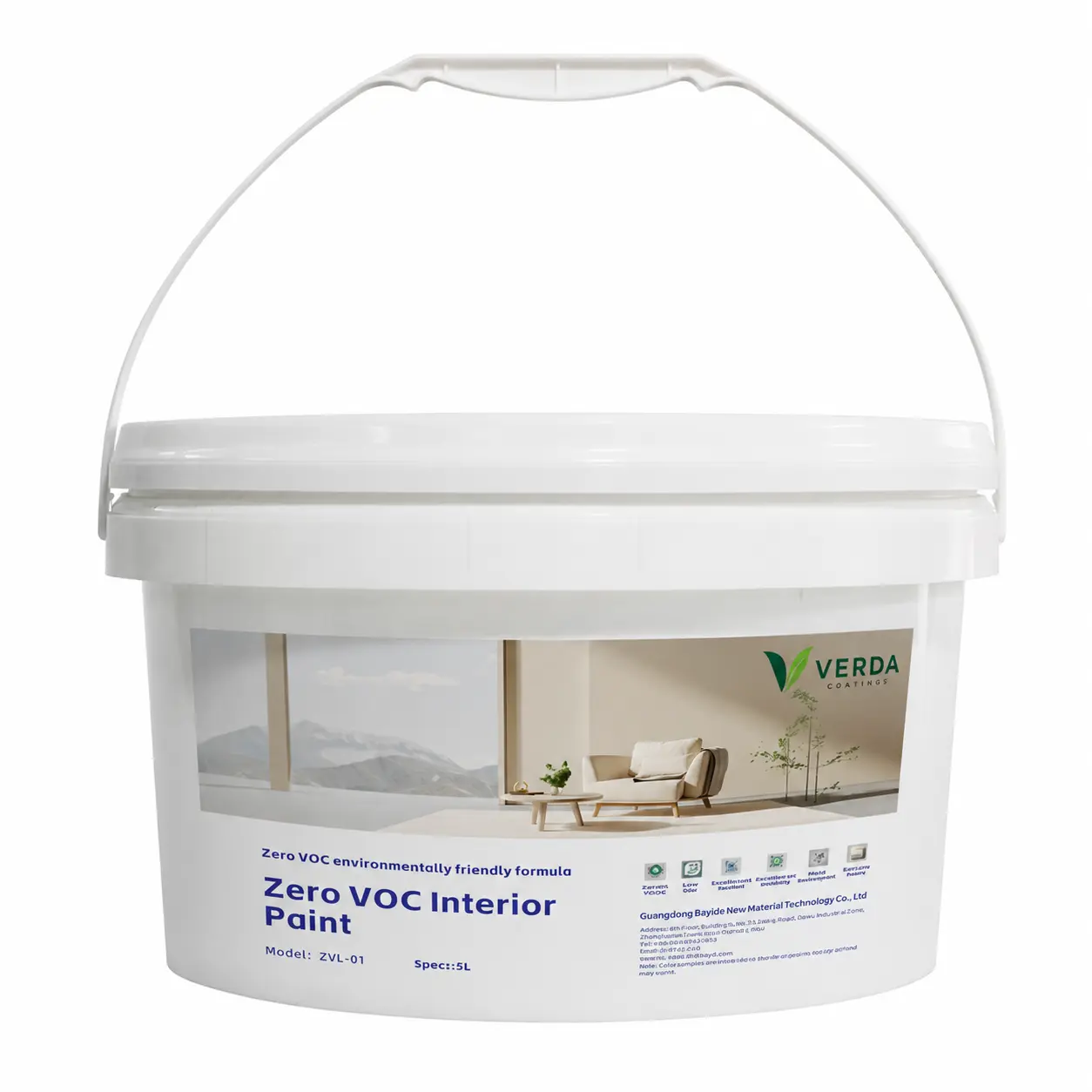
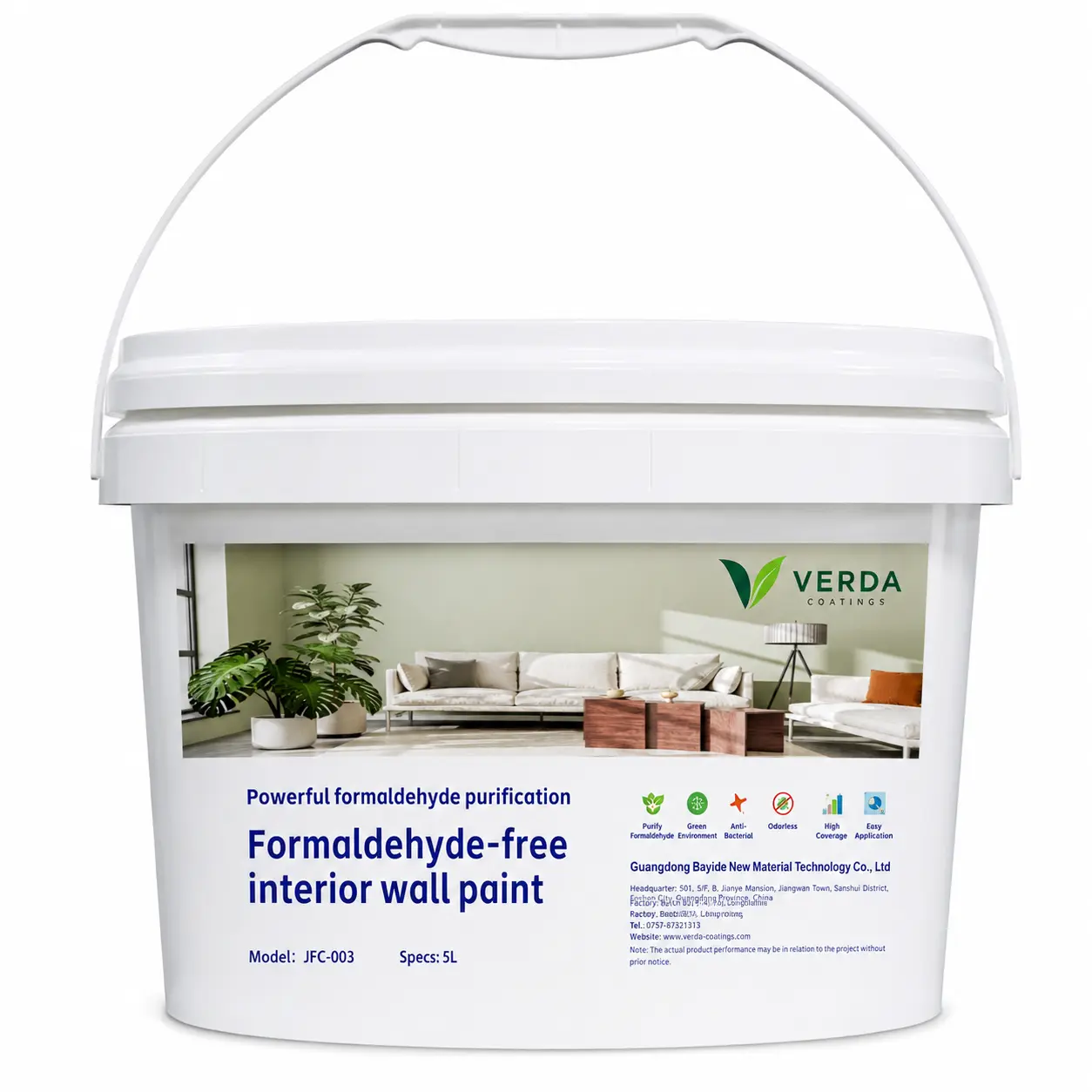
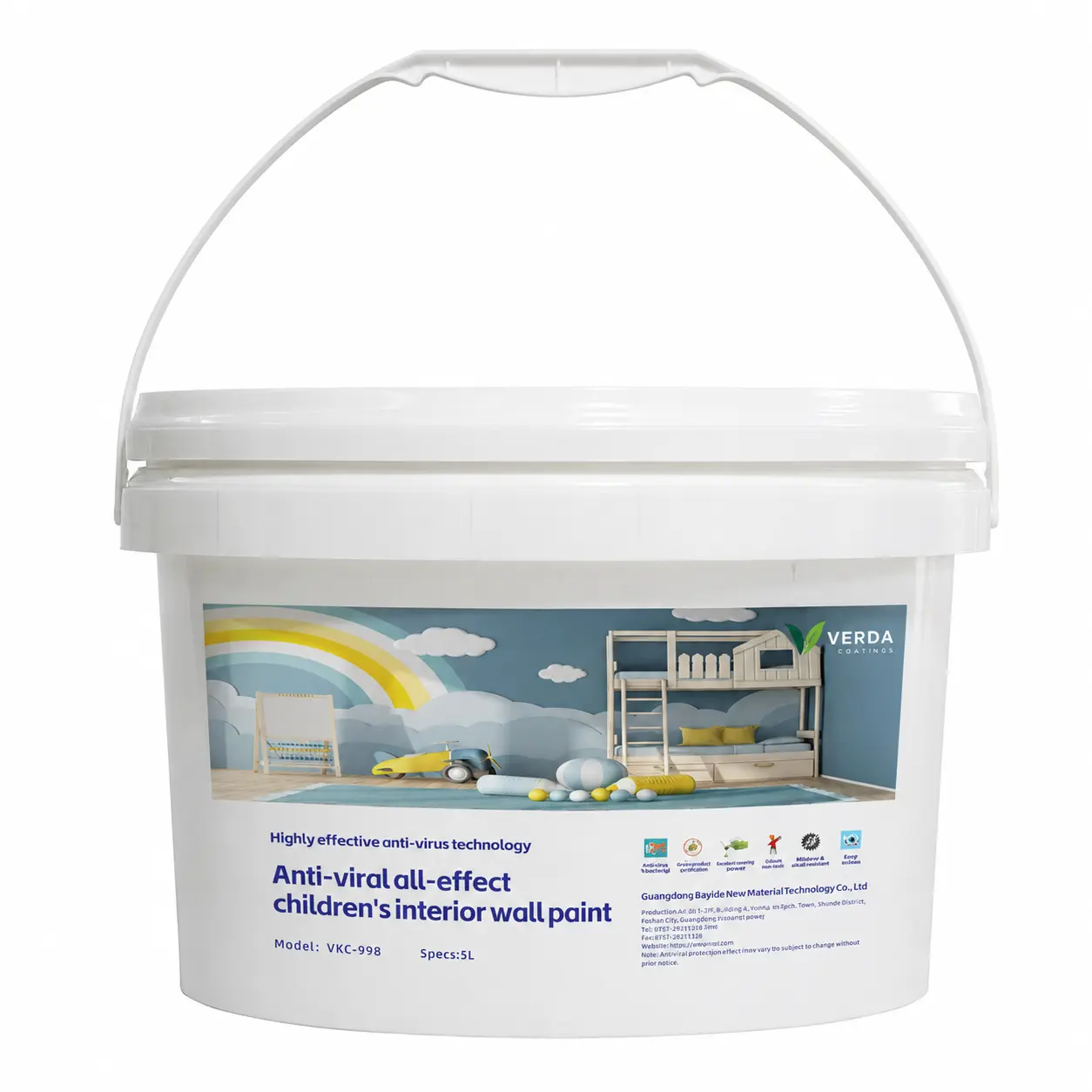
One product example helps frame the discussion: a 5L interior paint marked “Zero VOC” and labeled as interior paint, supplied in a plastic pail with lid and handle. That kind of product tells you something useful, even before you know the exact sheen or film performance. It signals an interior architectural coating, likely aimed at lower-emission indoor use, and it is the sort of format often used for distribution, retail packs, and OEM programs.
Why the supply decision matters more than the label on the front panel
Interior wall paint is a deceptively simple product category. On a spec sheet, many offerings can look interchangeable: white pail, clean label, interior use, and some sustainability language. In practice, the buyer is dealing with a much wider set of variables.
A coating that is fine for one renovation project may be a poor choice for a branded line. A paint that brushes smoothly in a showroom test may not hold up when you start moving pallets. A supplier can be perfectly capable at production, yet weak at packaging consistency, carton labeling, or private-label coordination. Those are the small failures that become expensive once you are already in the market.
For that reason, choosing an interior wall paint manufacturer is partly a product decision and partly a supply-chain decision. You are trying to balance formulation quality, packaging format, and commercial execution.
Quick takeaways before you compare suppliers
1. Decide whether you need stock supply or custom development
Some buyers only need standard interior paint in a repeatable format. Others need OEM or private-label support, which usually means more discussion around label artwork, fill volumes, packaging design, and formulation adjustments.
2. Ask what the label actually proves
“Zero VOC” is a meaningful market signal, but by itself it is not the whole story. It does not tell you about coverage, scrub resistance, odor, or finish. It does tell you the supplier is positioning the product for lower-emission interior use, which may matter for institutional, residential, or project buyers.
3. Check the packaging as closely as the coating
A plastic pail with handle and snap-on lid is standard in the category, but standard does not mean unimportant. Pail integrity, lid fit, and label durability affect storage, transport, and shelf presentation.
What to look for in an interior wall paint supplier
The best suppliers are usually not the ones with the loudest branding. They are the ones that can answer a few practical questions clearly.
First, look at manufacturing scope. If a supplier can support coatings R&D, manufacturing, supply, OEM/private-label work, and custom formulations, that gives you room to grow. You may start with a catalog product and later move into branded packaging or a modified formula. That flexibility saves time if your business model changes.
Second, examine how the product is described. In the example above, the label clearly says “Zero VOC Interior Paint,” with a 5L fill and model ZVL-01. Those are basic, but useful, identifiers. They help buyers keep SKU management tidy, especially when the same supplier supports multiple markets or multiple packaging sizes.
Third, look for consistency in the product language. If the manufacturer is vague about basic category terms, be careful. A serious interior wall paint manufacturer should be able to distinguish interior coatings from exterior systems, and decorative paint from more specialized architectural coatings.
Understanding interior paint formats and why packaging matters
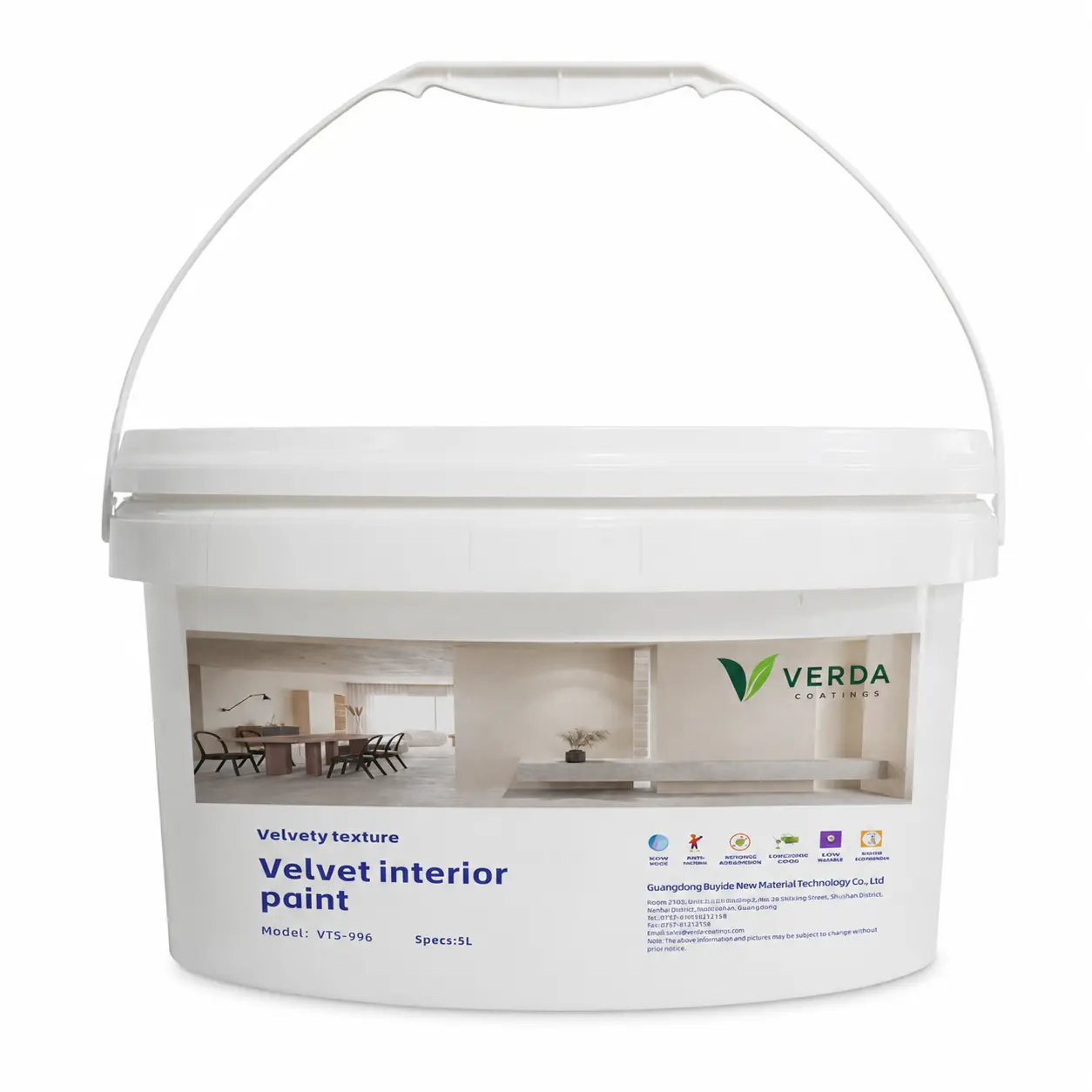
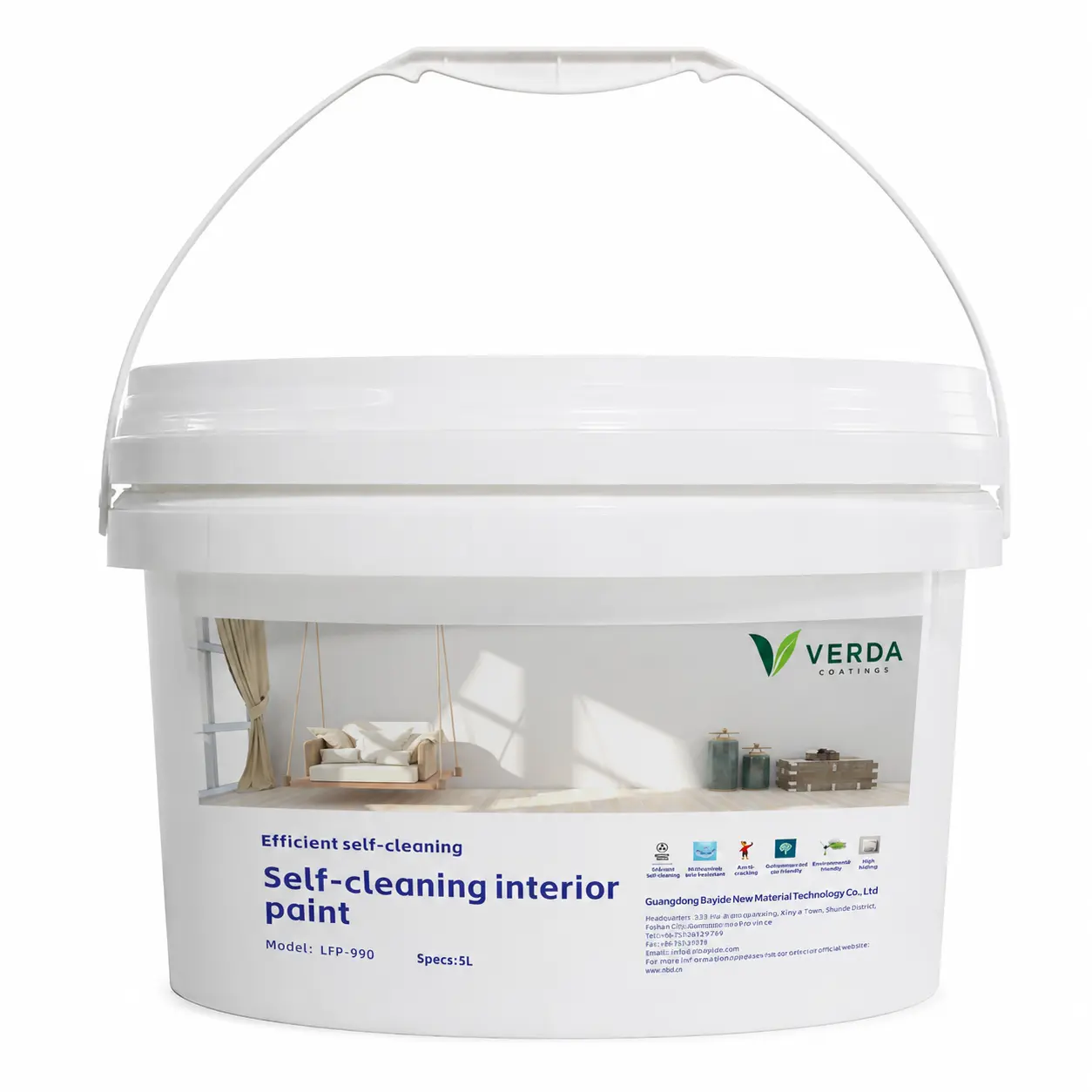
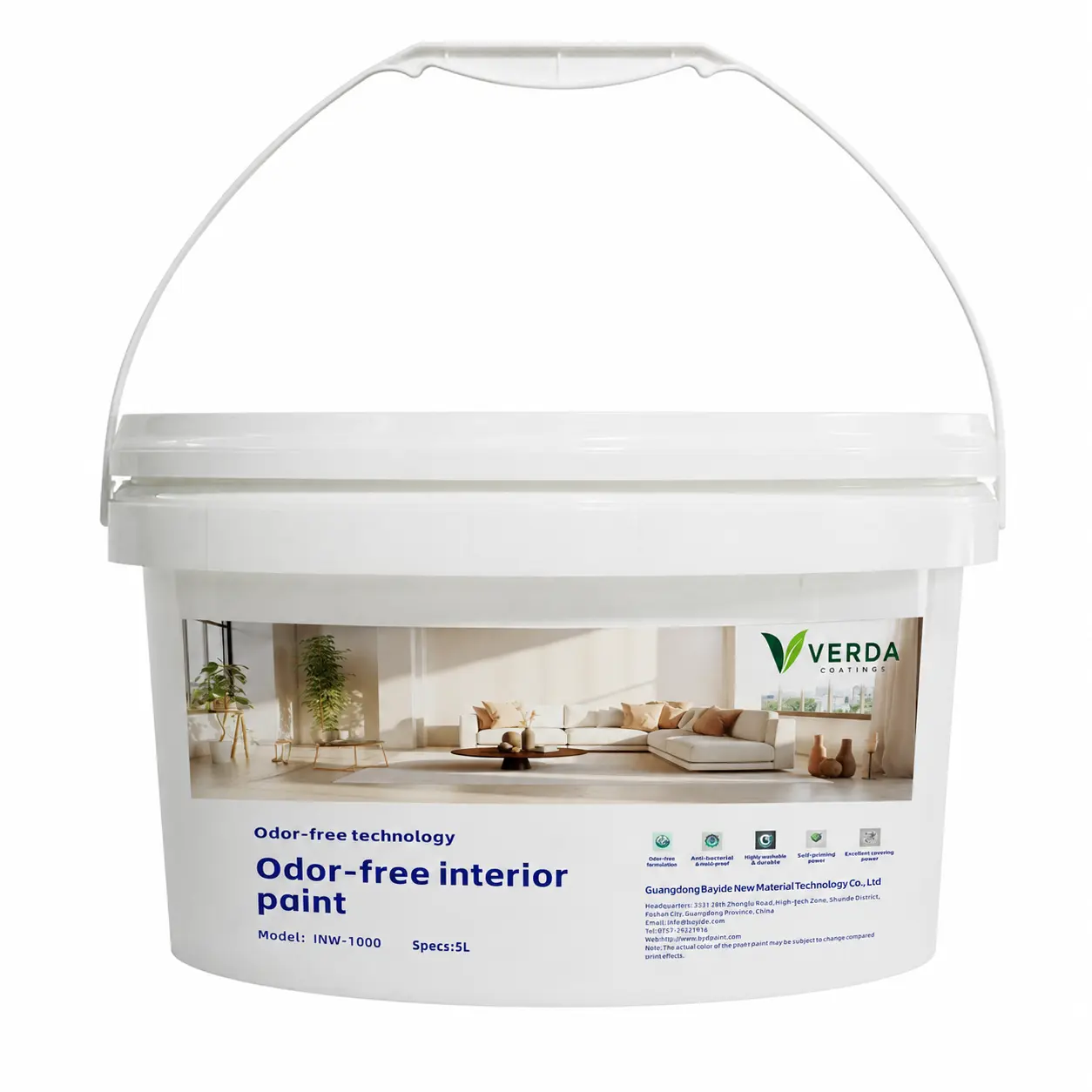
Interior wall paint is often sold in pails, drums, or smaller retail containers depending on channel. The visible 5L plastic pail format sits in a useful middle ground. It is manageable for contractors, convenient for distributors, and easy to brand for private-label programs.
A clean white bucket and simple front panel can also be a clue that the product is meant to be rebranded or placed into a controlled portfolio. That is common in OEM and house-brand supply. Buyers should still ask for the technical datasheet, because the pack itself tells you very little about the film properties.
A practical aside: some buyers focus too much on the pail volume and not enough on how the product will be used on site. A 5L pack can be ideal for touch-up, small projects, and multi-room jobs, but if your crews are covering large interior spaces, larger formats may be more efficient from a labor and handling standpoint.
Common buyer questions that should be answered before you place volume orders
Is the paint water-based?
It is often assumed that interior architectural coatings are water-based, and many are. But if the visible information does not say so clearly, do not assume. Ask the supplier directly.
What finish does it deliver?
The product image and label do not confirm sheen, so the finish remains unknown. That matters because interior wall paint behaves differently in matte, eggshell, satin, or other common finishes. Finish affects appearance, stain visibility, and cleaning expectations.
How does it perform in the room?
You will want more than a marketing statement. Ask for practical data on opacity, drying behavior, washability, and scrub resistance. Those details were not visible in the product information provided, and they should not be guessed.
Can it support your market’s compliance requirements?
“Zero VOC” is a start, not a complete compliance story. If you are selling into a regulated market or a project that requires specific documentation, request the relevant paperwork before purchase.
OEM and private-label buyers: what is different?
If you are sourcing for a brand rather than buying a finished commodity, your priorities change. The coating itself still matters, but the commercial packaging and the manufacturer’s ability to support repeat orders become just as important.
That is where an interior wall paint manufacturer with OEM/private-label capability can be useful. You may need custom artwork, a different pack size, a market-specific label, or a formula aligned to your segment. A supplier that already works across R&D, manufacturing, and supply is generally better positioned for that kind of work than a purely transactional trading operation.
Still, buyers should keep expectations realistic. Customization can solve a lot, but it can also add complexity. The more you change, the more you need to verify sample consistency and final packaging details before scaling.
Common mistakes when sourcing interior wall paint in bulk
One common mistake is treating all interior paint as interchangeable as long as the label says “interior.” That is rarely true. Products differ in raw material system, intended use, and end-user expectations.
Another mistake is buying on appearance alone. A neat white pail and a polished label are useful for shelf impact, but they do not tell you whether the coating meets your practical needs.
A third mistake is underestimating packaging logistics. Bulk interior paint supplier arrangements often fail not because of the formula, but because the pack format, lid security, or palletization does not suit the buyer’s channel.
And one more, especially for private label buyers: do not lock in artwork or inventory before you have confirmed the exact product name, model, volume, and label claims. The 5L ZVL-01 example shows how small details matter when you are managing a product line.
Who this product type is usually best for
A Zero VOC interior paint in a 5L pail is a sensible fit for distributors, OEM brand owners, contractors, and project buyers who want an interior coating for indoor repainting. It is also a good starting point for companies that value cleaner label positioning or want a lower-emission story in their portfolio.
It may not be the right fit for every buyer, though. If you need a very specific sheen, a specialty scrub profile, or a compliance package for a demanding project, you should treat the visible product details as only the starting point.
What to ask the supplier next
Before you place a serious order, ask for the technical data sheet, safety documentation, packaging specifications, and sample confirmation. If you are pursuing OEM or private-label work, ask about customization options, minimum order expectations, and label support.
A good supplier will not be offended by those questions. In fact, a serious interior wall paint supplier expects them.
If you are comparing options now, use the label as a first filter, not the final answer. The right partner should be able to support the product, the packaging, and the commercial plan behind it. That is the difference between filling a pail and building a durable supply relationship.