What buyers really mean when they search for an interior wall paint manufacturer
When sourcing an interior wall paint manufacturer, most buyers are not just looking for a drum of coating. They are trying to solve a wider problem: how to get a dependable interior paint that applies cleanly, fits the project budget, and does not create complaints once the building is occupied. That matters whether you are buying for residential repaints, a commercial fit-out, or a channel program that needs stable private-label supply.
The product category sounds simple enough, but the decision is rarely simple. Interior coatings have to work for painters, facility teams, distributors, and end users who notice odor, drying behavior, and the look of the finished wall long before they think about chemistry. A supplier may be able to fill pails all day; a manufacturer worth keeping on the short list can also support consistency from batch to batch and packaging that survives real-world handling.
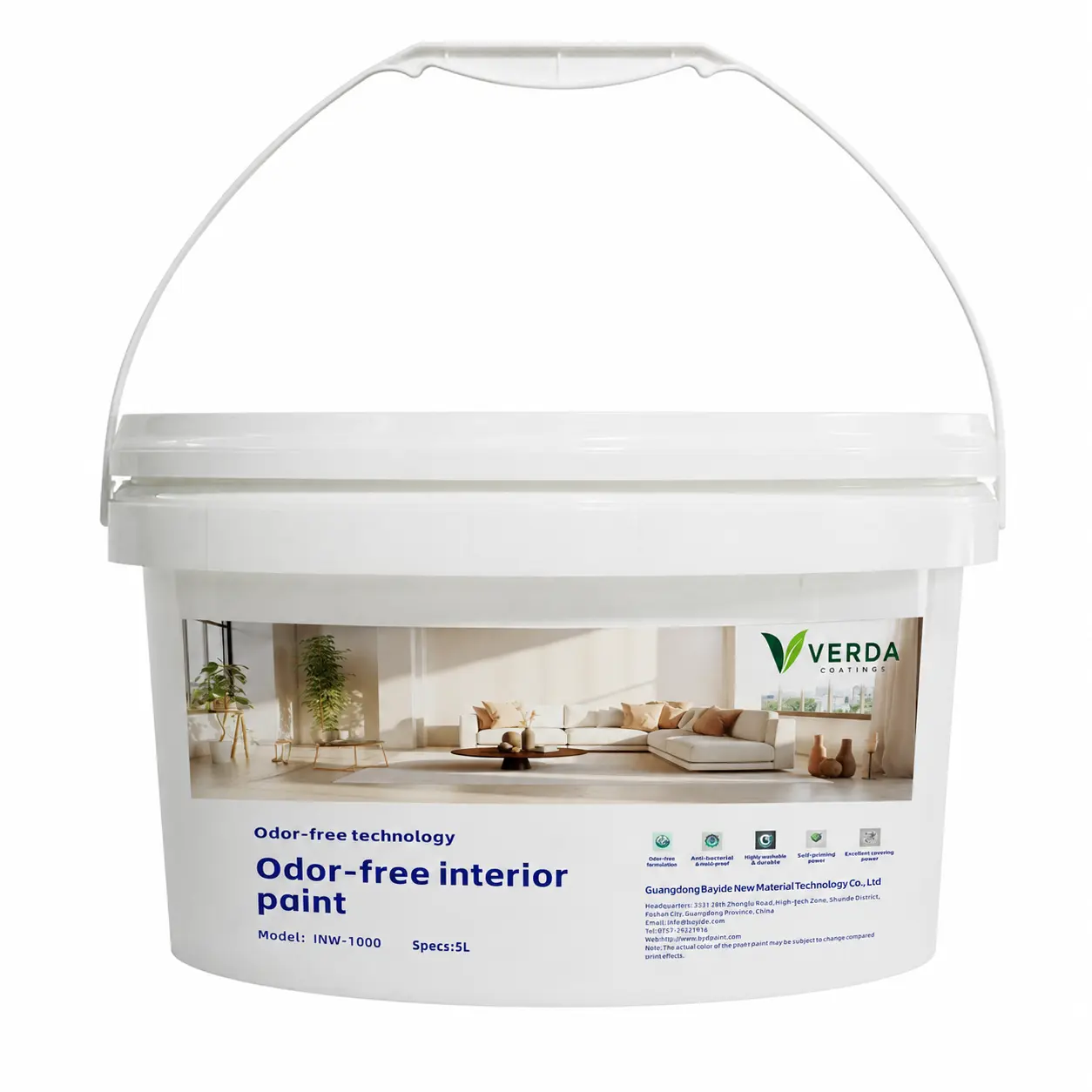
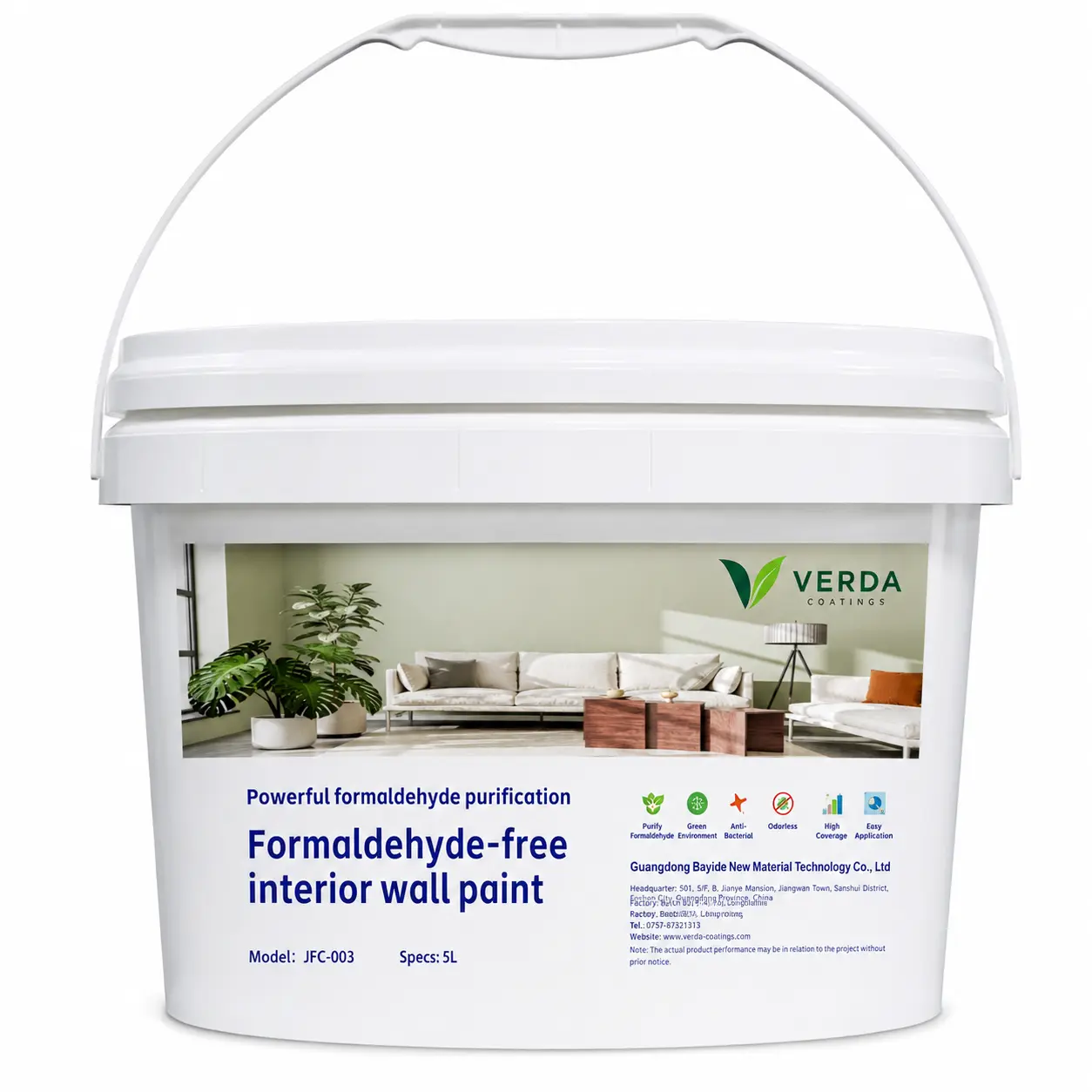
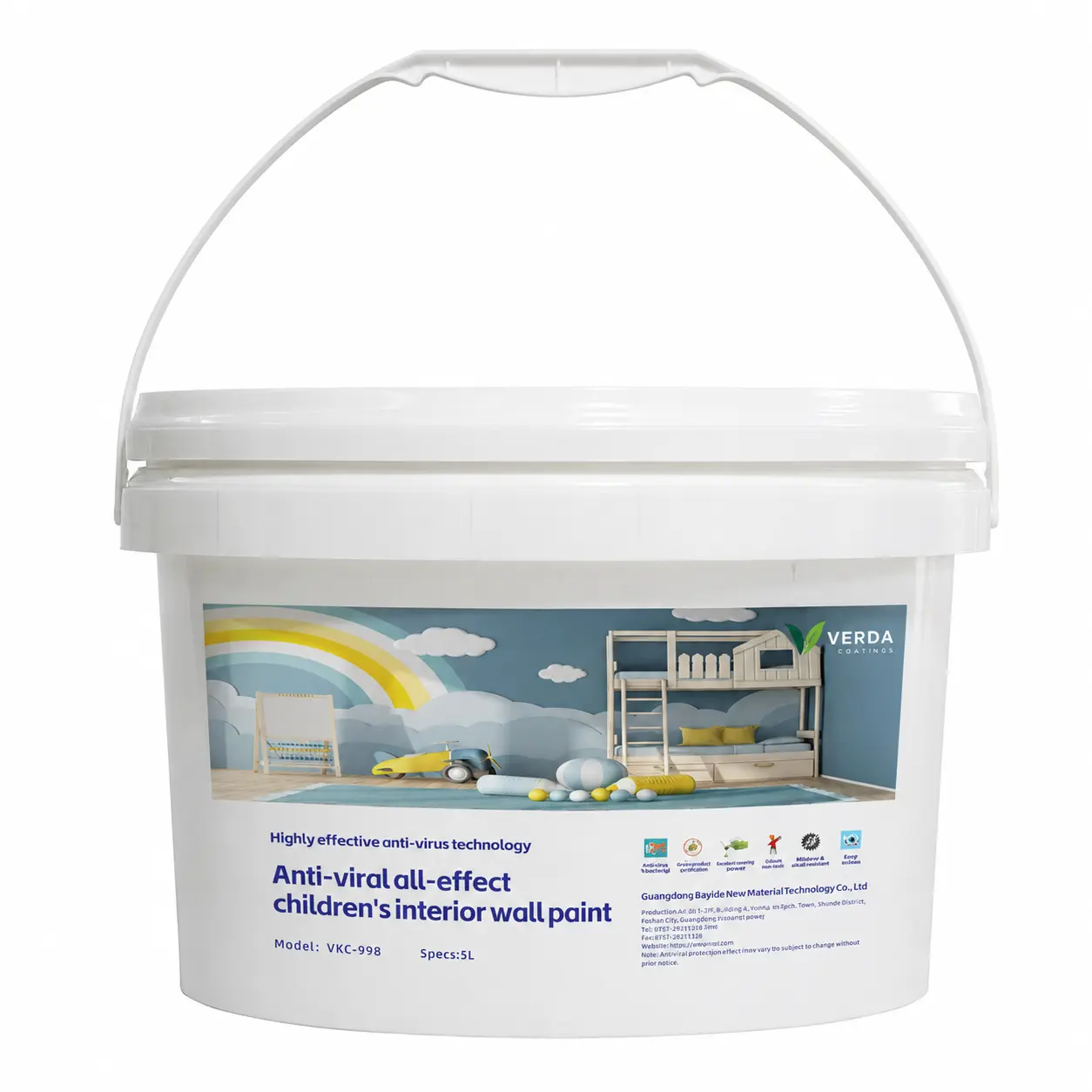
The visible product example here is a 5L interior wall paint packaged in a white plastic bucket with a snap-on lid and carry handle. The label highlights “odor-free technology” and “odor-free interior paint,” with model INW-1000. That is a useful clue about positioning, even if the exact resin system, sheen, and performance figures are not provided. For many buyers, odor control is not a small extra. It is often the feature that determines whether a product can be used in occupied spaces or only during a narrow work window.
Why odor-free interior paint has become a practical buying criterion
Odor-free interior paint is no longer just a comfort feature for the homeowner. It affects scheduling, labor efficiency, and how quickly a building can be handed back to tenants, staff, or customers. In schools, offices, apartments, clinics, and retail interiors, strong smell can become a project delay or a complaint generator. Even when a coating performs well on paper, the wrong odor profile can limit where it gets used.
That is why many purchasers now treat odor-free positioning as part of the specification process rather than a marketing line. It can narrow down what goes into the bid, what gets sampled for approval, and what the contractor is willing to carry on a truck. A bulk interior paint supplier that understands this pressure usually knows how to support packaging, labeling, and channel requirements as well as the coating itself.
There is also a practical side that is sometimes overlooked: interior jobs are messy in a different way from exterior work. There are more surfaces nearby, more people walking through, and more tolerance for operational disruption to manage. A product that is easier to live with indoors often wins not because it is the cheapest, but because it reduces invisible costs.
Quick-reference view: what matters in a supplier relationship
If you are comparing an interior wall paint supplier or manufacturer, these are the questions that usually separate a serious partner from a transactional seller:
Product and packaging
Is the product clearly identified by model, pack size, and intended use? The example label shows INW-1000 and 5L, which helps buyers and distributors track stock. Packaging quality also matters more than people admit. A good pail is easier to stack, store, and carry without leakage or cracked lids.
Application and end-use fit
Does the coating suit occupied interiors, repaint work, or new-build decorative finishing? A manufacturer should be able to explain where the product fits and where it does not. If that answer is vague, the project risk usually ends up with the buyer.
Supply model
Are you buying for direct use, resale, or private label? A manufacturer with OEM or channel experience usually understands that the packaging, labeling, and carton logic may matter nearly as much as the paint formula.
Consistency and communication
Small variations in interior coatings can create visible differences on walls, especially across large jobs. A dependable supplier will not promise magic, but should communicate clearly about what is confirmed and what is not.
Interior wall paint types: why the category can’t be treated as one-size-fits-all
The term interior wall paint covers a broad set of products. Some are built for fast repaint cycles. Some prioritize low odor. Some are designed around decorative appearance. Others are positioned for commercial durability, though the exact performance claims should always be checked rather than assumed.
For a buyer, the useful distinction is not academic chemistry; it is how the coating behaves in use. A product intended for indoor walls and ceilings needs to spread evenly, look acceptable under ordinary light, and fit the workflow of the jobsite. If it is sold for architectural coating use, the buyer should still ask which substrates it is intended for, whether primer is recommended, and what surface preparation is expected.
That last point gets ignored more often than it should. Many “paint problems” are actually surface-prep problems. A coating can only do so much if the substrate is dusty, patchy, or poorly sealed. When sourcing from an interior wall paint manufacturer, it helps to ask for practical application guidance, not just a brochure.
What the visible product details suggest
The photographed product gives a few solid clues and leaves several things open. That is normal, and it is better to admit it than to fill the gaps with guesswork.
What is visible and useful:
- 5L pack size
- Model INW-1000
- Odor-free interior paint positioning
- Plastic bucket format with carry handle and snap-on lid
What is not confirmed and should not be assumed:
- Exact sheen or finish
- Color beyond the visual impression of the package itself
- Coverage rate
- Drying time
- VOC level
- Washability or stain resistance
- Certification status
For sourcing teams, those unknowns are not a minor footnote. They are the items that should be verified on the technical data sheet or through sample testing before a purchase order is issued.
How to evaluate a bulk interior paint supplier without getting lost in brochure language
The easiest mistake is to focus on only one feature, usually price. In interior coatings, the cheapest option can become expensive if it drips, covers poorly, or causes odor complaints. A buyer should look at the total picture.
Start with the intended use. Is the paint for residential repaints, contractor projects, distributor stock, or a private-label line? Then check whether the manufacturer can support that use case with the right pack size and packaging style. The 5L pail shown here is a common and practical format for many retail and project channels because it is manageable for transport and convenient for smaller jobs.
Next, confirm what the manufacturer actually controls. A true interior wall paint manufacturer should be able to speak to formulation, filling, labeling, and packaging. If the supplier only resells generic product, the buyer has less control when issues arise. That does not automatically make them unsuitable, but it changes the risk profile.
Finally, ask for sample consistency across multiple units or batches if the purchase is for a recurring program. Interior decoration work is often judged visually. If one pail behaves differently from the next, the contractor notices before the purchasing department does.
Common buying mistakes with interior wall coatings
One common mistake is treating odor-free interior paint as interchangeable with any other interior coating. It is not. The odor profile is one part of the product experience, and the rest of the coating still has to meet the project’s practical needs.
Another mistake is underestimating packaging. A pail can look straightforward in a warehouse photo, yet fail at the handoff stage if the lid is weak or the handle is awkward. For bulk interior paint supplier relationships, packaging reliability is part of supply reliability.
A third mistake is skipping the conversation about application conditions. Buyers sometimes assume interior paint will behave the same on every wall. It will not. Substrate condition, room ventilation, and job scheduling all matter. A manufacturer that gives cautious, usable guidance is usually more valuable than one that simply says yes to everything.
Practical questions to ask before you place an order
Before committing to a supplier, ask a few direct questions:
- What is the intended application for this interior wall paint?
- Is the product designed for occupied spaces or standard repaint conditions?
- What technical documents can you provide for the INW-1000 model?
- Can the 5L format be supported consistently for repeat orders?
- Do you offer OEM or private-label support if the product is going into distribution?
- What should buyers verify during sample approval?
Those questions are not complicated, but they filter out a lot of weak supplier responses. A good manufacturer will answer them plainly, and if something is not confirmed, will say so.
When a 5L pack size makes sense
The 5L bucket format shown on the label is a practical middle ground. It is large enough to suit small contractor jobs, trial runs, and retail distribution, but not so large that storage and handling become cumbersome. For distributors, it also fits common merchandising logic: visible on shelf, easy to move, and manageable for customers who do not need industrial quantities.
That said, buyers should still check whether the pack size aligns with their sales channel. A project contractor may prefer a different unit size depending on coverage needs, while a retail buyer may want the 5L format specifically because it is easier to sell and transport. It sounds obvious, but mismatched packaging is a frequent source of slow-moving stock.
FAQ for sourcing teams and product managers
Is odor-free interior paint always low odor in use?
The label indicates odor-free positioning, but performance should still be validated in real application conditions. Do not assume every indoor project will feel the same.
Can I use this type of product for commercial interiors?
Potentially yes, depending on the specific project requirements. Commercial use often demands more scrutiny around application, durability, and scheduling, so confirm suitability before buying.
Is the visible bucket enough to approve a product?
No. The package gives useful clues, but you still need the technical data, sample evaluation, and application guidance before sign-off.
What is the main value of a manufacturer versus a reseller?
A manufacturer is more likely to control formulation, packaging, and repeatability. That matters when you need stable supply or a private-label program.
A sensible next step for buyers
If you are evaluating an interior wall paint manufacturer, start by comparing not just product claims but the usefulness of the supply relationship. The visible INW-1000, 5L odor-free interior paint example shows the kind of details that help buyers make an initial screen: clear model identification, practical pack size, and a feature positioned around indoor comfort.
From there, request the technical information that is actually missing, test the sample in the intended space, and check whether the supplier can support the channel you care about, whether that is contractor supply, distributor stocking, or OEM/private-label sales. The right partner in this category is rarely the loudest one. It is the one that can keep the product stable, the packaging workable, and the project manager out of trouble when the walls go up.