What buyers actually mean when they ask for an exterior wall paint manufacturer
When sourcing teams and project engineers search for an exterior wall paint manufacturer, they are rarely looking for a simple color match. They are usually trying to solve a broader specification problem: which coating will protect the facade, stay presentable, fit the application method, and ship in the pack size and format their channel needs. On paper, exterior paint sounds straightforward. In practice, the right supplier can affect everything from repaint frequency to labor productivity to how a building looks after one rainy season.
That is especially true for architectural coatings sold as project packs or retail-ready pails. A product like VERDA Coatings’ “Self-cleaning exterior paint,” model SJW-200 in 5L packaging, suggests a market position aimed at exterior wall and facade maintenance, distributor resale, and contractor use. The label language points to a semi-gloss decorative finish and a dirt-shedding or reduced-soiling concept, although the exact mechanism is not something you should assume without technical data. That caution matters. Buyers often get into trouble by treating marketing terms as performance guarantees.
The real decision, then, is not just “Who can make paint?” It is “Who can manufacture an exterior coating that suits the building, the climate, the budget, and the channel?”
Why the supplier choice matters more on exterior walls
Interior paint has a forgiving life. Exterior coatings do not. Sun, rain, wind-blown dust, thermal cycling, and pollution all work against the film. A facade finish that looks acceptable on day one can age poorly if the binder system, surface prep, or application thickness are off by a little. For sourcing managers, that means the supplier is part of the performance equation, not just a source of pails.
A competent exterior paint supplier should be able to support more than color and packaging. Buyers usually need guidance on where the coating sits in the system: primer, intermediate build, or topcoat; what substrates it is meant for; whether it is meant for repaints or new work; and whether the finish is designed for a decorative sheen or a more muted architectural look. Semi-gloss products, like the one indicated on the SJW-200 label, often appeal because they are easier to wipe down and can present a cleaner facade image. The tradeoff is that semi-gloss can also reveal surface defects more readily than flatter finishes. That is not a flaw, just a practical reality.
Quick-reference buyer questions before you shortlist a manufacturer
If you are comparing an exterior coating manufacturer or a private-label supplier, start with these questions rather than jumping straight to price:
Does the supplier clearly identify the product’s intended use, such as exterior walls, facade repainting, or decorative maintenance?
Can they provide technical data for the coating system, not just a label claim?
Is the finish appropriate for the substrate and the visual standard you need?
Do they offer packaging that fits your channel, such as 5L pails for project supply or retail?
Can they support consistent batch-to-batch appearance and application feel?
That last point is often underestimated. Architectural coatings are sold as much on consistency as on headline performance. A small color shift or a change in film character can trigger complaints even if the chemistry is technically fine.
How exterior wall coatings are usually judged in the field
Buyers often have to evaluate exterior paint with incomplete information. That is normal. The trick is to separate visible features from unverified claims.
Visible product cues
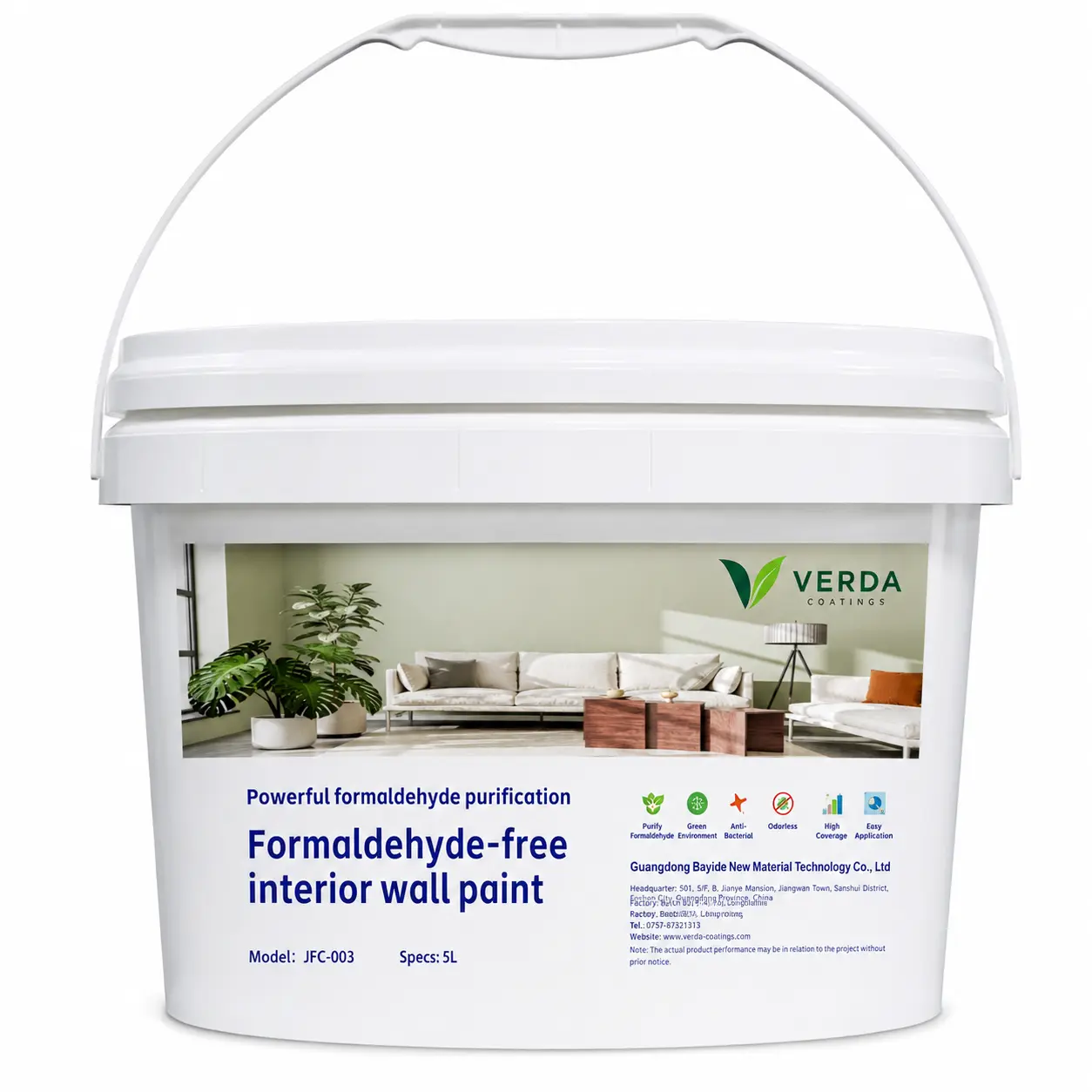
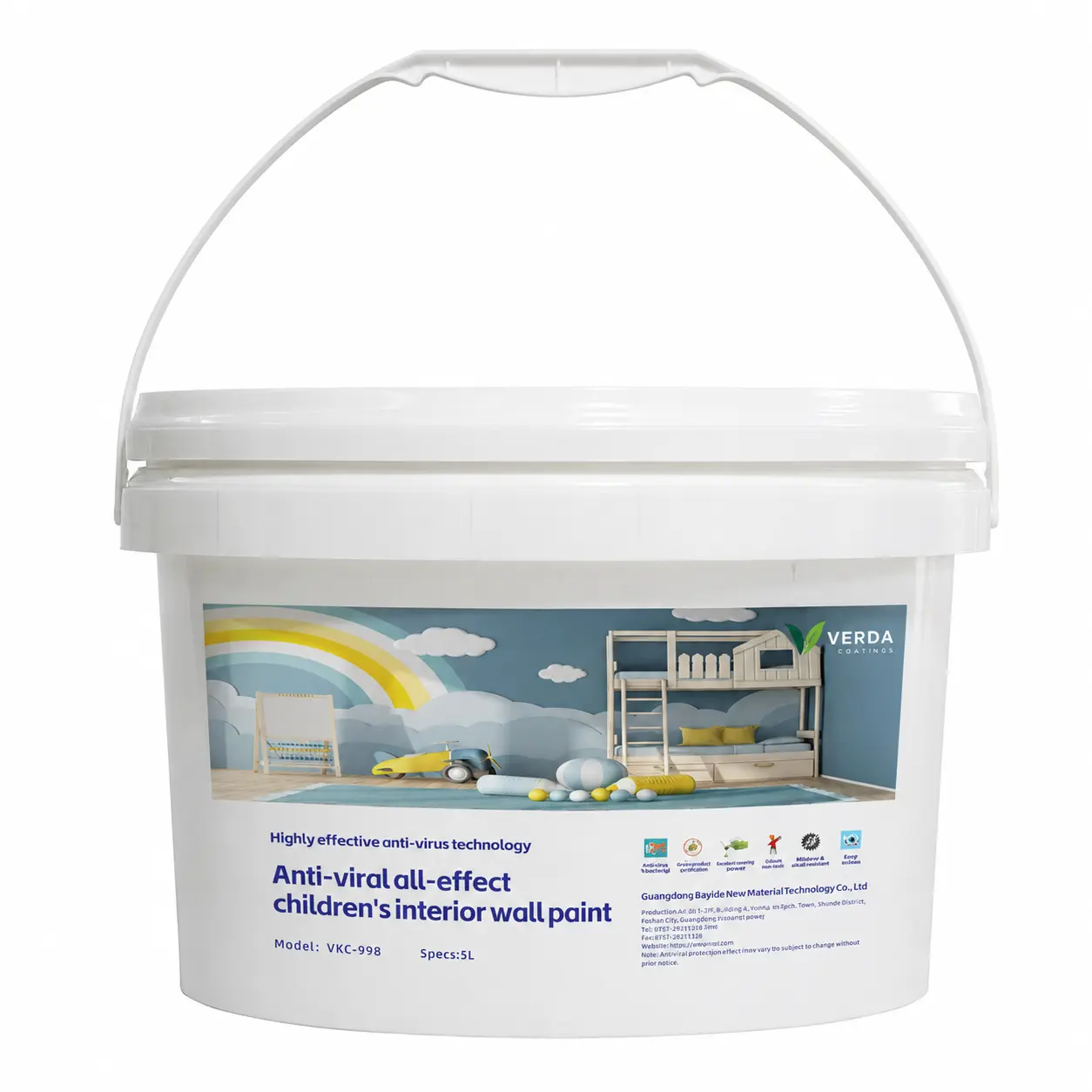
A pail-format architectural coating usually signals contractor or project use rather than industrial immersion service. The SJW-200 example is packaged in a 5L white plastic pail with handle, which is a familiar format for smaller projects, sample programs, or distributor stock. The label also states “self-cleaning exterior paint” and “semi-gloss effect.” Those details matter because they tell you what the supplier wants the market to believe about the product: easier maintenance, decorative finish, and a facade-oriented use case.
What still needs verification
Do not assume the resin system, VOC profile, or weathering performance from the front label alone. The same is true for waterproofing, UV resistance, drying time, coverage rate, and application method. These are the numbers that shape field performance and job costing. If the supplier cannot provide a proper technical sheet, you are not really buying a specification; you are buying a claim.
Where self-cleaning exterior paint fits in practice
The phrase “self-cleaning” is attractive because exterior walls are expensive to maintain. Dust, soot, and rain streaks can make a building look older than it is. Coatings marketed with this kind of feature are usually aimed at reducing visible soiling or helping water carry dirt away from the surface. That can be useful on building facades, boundary walls, commercial properties, and maintenance repainting jobs where appearance drives customer perception.
Still, a buyer should keep expectations grounded. Self-cleaning is not the same thing as no-cleaning. On real projects, local air quality, rain exposure, substrate texture, and maintenance practices all matter. A smoother semi-gloss surface may help reduce dirt retention compared with rougher finishes, but it can also make roller marks or substrate defects more noticeable if the application is poor. That is one reason contractors often test a sample area before committing to a full facade.
What manufacturers and OEM suppliers are usually asked to provide
A serious buyer of exterior wall coatings often wants a supplier who can support one of several business models: branded resale, contractor supply, or OEM/private-label programs. The product notes for VERDA Coatings suggest that possibility, although it should be treated carefully since branding alone does not confirm a private-label arrangement.
In practical terms, what matters is whether the manufacturer can deliver the following:
Stable formulation from batch to batch
Packaging that matches the customer channel
Label support and product identification
Technical documentation for specifiers and applicators
Flexible order sizing for distributor or project demand
For sourcing teams, that combination is often more valuable than an elaborate sales pitch. A coating that looks promising but ships inconsistently is hard to build a business around.
Common mistakes when selecting an exterior wall paint manufacturer
One common mistake is buying on finish alone. A semi-gloss look may be right for a commercial facade, but the sheen level should be considered alongside substrate condition, maintenance expectations, and application skill. The more reflective the finish, the more it can expose uneven patching or poor surface prep.
Another mistake is treating exterior and interior paint as close substitutes. They are not. Exterior work faces weather and UV exposure, and the coating needs to be selected with that reality in mind. Even if two products share a similar appearance in the pail, their service roles can be very different.
A third mistake is skipping the boring questions: what is the recommended primer, how should edges and joints be treated, and what failure mode is most likely in the local climate? Those details sound unglamorous, but they save money later. A modest caution here: if a supplier cannot answer those questions clearly, it is usually the wrong supplier for a building-facing application.
How to compare suppliers without turning it into a spreadsheet contest
Price matters, but exterior coatings are not a commodity in the simplest sense. You are buying a result on a wall. So compare manufacturers using a small set of practical criteria.
First, check the product’s stated use case. A coating labeled for exterior walls and facade maintenance is a better starting point than a vague multipurpose paint.
Second, review the packaging and project fit. The 5L pail format of SJW-200, for example, may suit smaller maintenance jobs, sampling, or distributor stock. That format is not right for every project, but it tells you who the intended buyer might be.
Third, ask for application and maintenance guidance. Even a good exterior wall paint can perform badly if the substrate is not prepared or the film build is wrong.
Fourth, look for evidence of manufacturing discipline: consistent labeling, clear product identification, and a supplier that can explain differences between product lines rather than blur them together.
Questions to ask before placing an order
Before you commit to an exterior coating manufacturer, ask:
What substrates is this coating intended for?
Is the finish truly semi-gloss, and how visible is that on large wall areas?
What technical documents are available for specifiers and contractors?
What pack sizes are available besides the 5L format?
How is the product positioned for contractors, distributors, or private-label customers?
Those are simple questions, but they tend to reveal whether the supplier understands the market or just the label printer.
Final buyer advice for sourcing teams and product managers
If you are comparing exterior wall coatings for a project, a channel program, or an OEM line, treat the manufacturer as part of the performance system. Products like VERDA Coatings’ SJW-200 show how labels can communicate a lot at once: exterior use, semi-gloss effect, self-cleaning positioning, and a 5L project-pack format. That is useful, but it is only the starting point.
The better choice is the supplier that can support your real need: a facade coating that fits the substrate, the climate, the maintenance plan, and the customer’s expectation for appearance. If you are buying for resale or specification, request the technical sheet, application guidance, and product samples before you lock the order. Exterior walls are too visible to buy on assumptions.
FAQ
Is a self-cleaning exterior paint the same as a waterproof coating?
No. The label term suggests dirt-shedding or easier maintenance, but waterproofing performance cannot be assumed from that wording alone.
Why does semi-gloss matter on exterior walls?
Semi-gloss can make facades look cleaner and may be easier to maintain, but it also tends to show surface flaws more than flatter finishes.
Is a 5L pail mainly for contractors?
It can be used by contractors, maintenance teams, or distributors. It is a manageable size for smaller jobs and project supply, though not every job will suit it.
What should I request from an exterior coating manufacturer first?
Ask for the technical data sheet, application instructions, substrate recommendations, and packaging options. That tells you far more than a label claim alone.